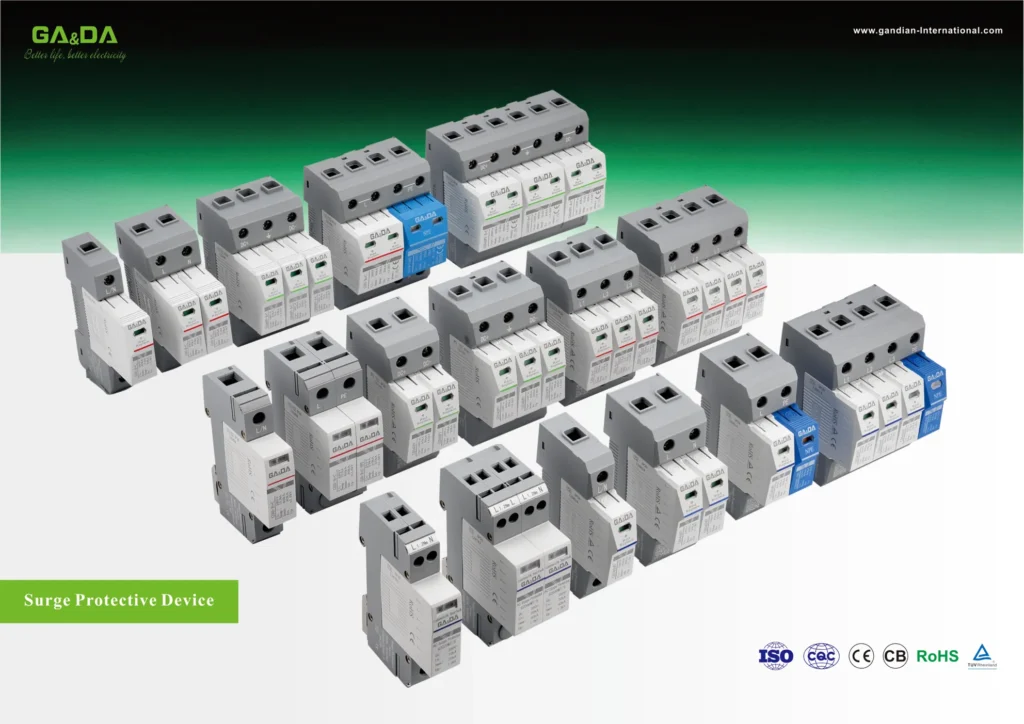
Surge Protective Device
Iimp, In, Imax and Up Explained: How to Read SPD Specifications
This guide explains SPD specifications including Iimp, In, Imax, Up and Uc, helping buyers compare AC, DC and PV SPDs more accurately.
Read More
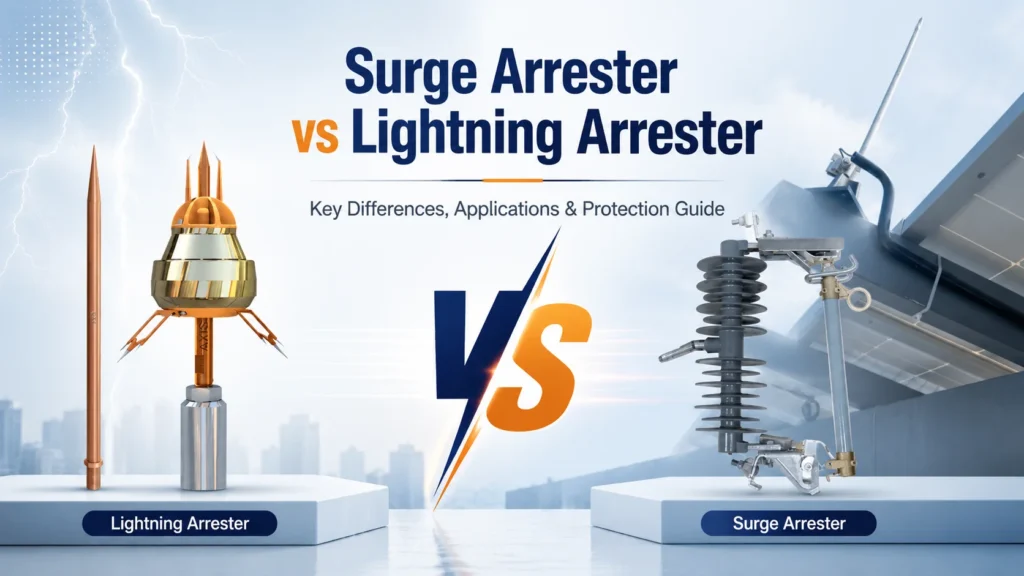
Understanding the difference between Surge Arresters and Lightning Arresters is crucial for protecting electrical systems. Lightning strikes are frequent — according to the UK’s weather department, over 3 million lightning flashes occur every day worldwide, averaging about 44 strikes per second. Protecting buildings and electrical equipment from these events requires properly designed devices.
This article explains the differences, applications, and key points for Surge Arresters and Lightning Arresters.
A Lightning Arrester is used to reduce and eliminate lightning risks. When lightning strikes, it releases a large amount of energy in a few seconds, which can damage buildings and electrical systems. Lightning Arresters protect by providing a low-resistance path to ground, safely diverting the charge.
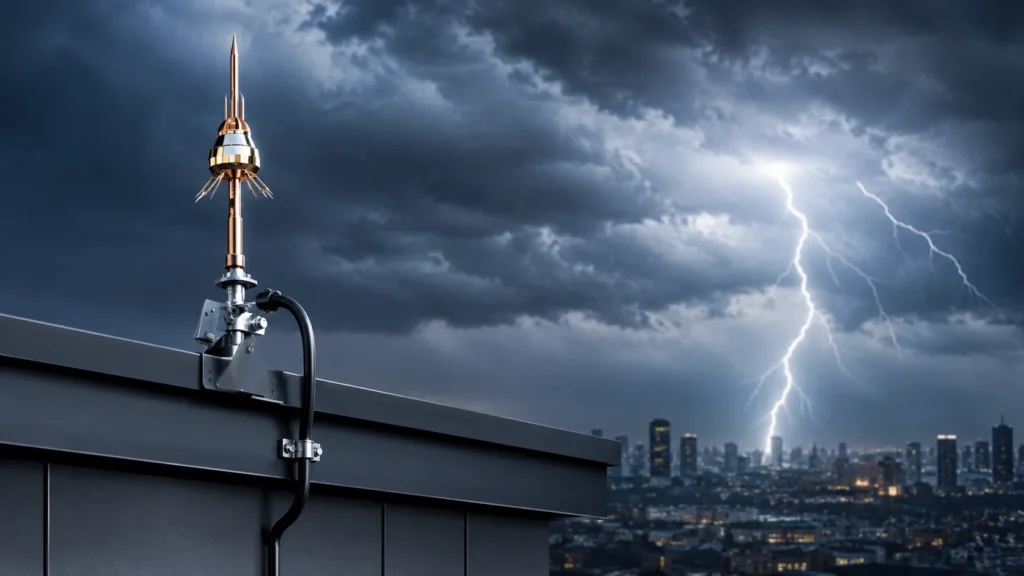
Residential homes, commercial buildings, industrial facilities, and power substations.
Surge Arresters protect internal electrical systems from overvoltages. They usually use Metal Oxide Varistors (MOVs), which vary resistance with voltage to absorb or divert surges.
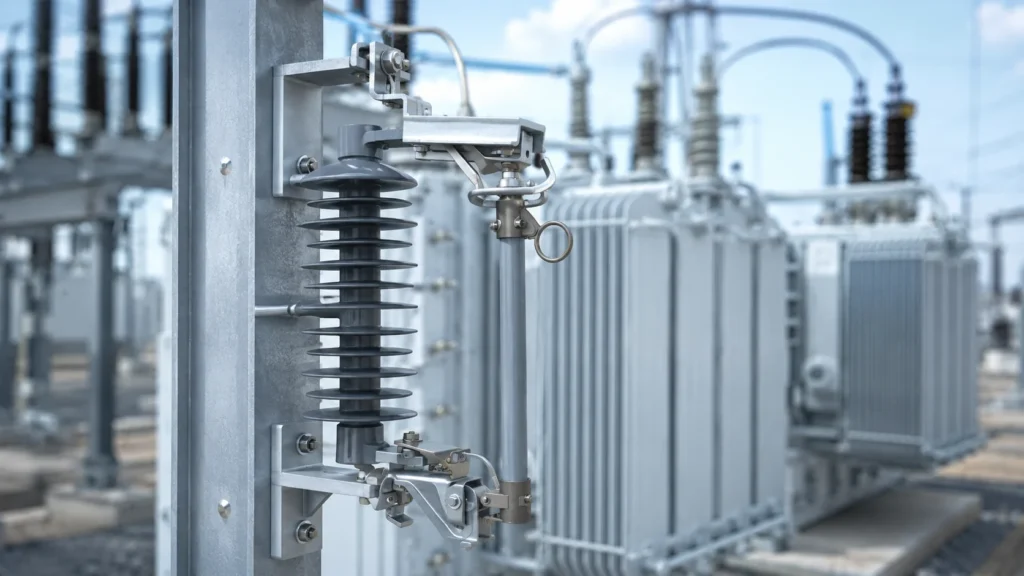
Note: Do not confuse Surge Arresters with Surge Protectors (SPDs), which are for low-voltage home appliances. SPDs also use MOVs but are designed to protect home wiring and appliances from voltage spikes.
| Feature | Surge Arrester | Lightning Arrester |
|---|---|---|
| Protection Target | Internal electrical systems | External structures and associated components |
| Working Principle | Uses MOV to absorb/dissipate overvoltage | Attracts lightning and diverts it to ground |
| Protection Scope | Lightning surges, switching operations, transient voltages | Primarily lightning strikes |
| Installation | Substations, transformers, distribution panels | Building tops, industrial structures, critical external points |
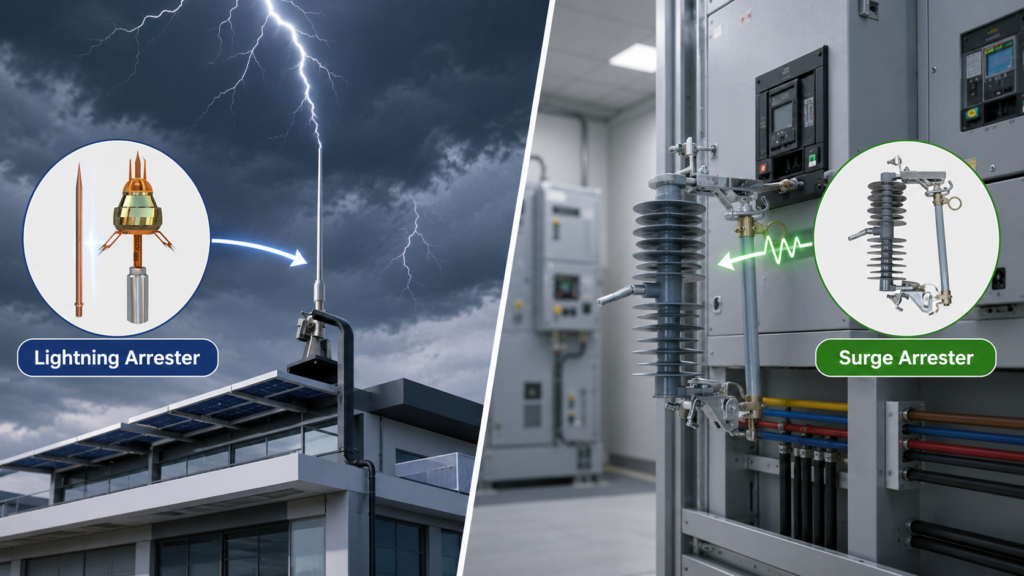
Tip: Proper installation, grounding, and periodic maintenance are critical to ensure the devices work as intended.
At GA&DA Electric, we provide high-quality electrical protection devices for all your needs:
Contact us today: https://cngandian.com/contact
Lightning Arresters are primarily designed to protect buildings and external structures from direct lightning strikes. To protect internal electrical systems, you should install Surge Arresters or SPDs at strategic points like transformers, distribution panels, or sensitive equipment.
No, Surge Arresters are designed to handle overvoltages caused by lightning-induced surges, switching operations, or transient spikes. Direct lightning strikes require Lightning Arresters for safe grounding.
Conventional rods are suitable for small buildings with simple protection needs. ESE (Early Streamer Emission) devices cover larger areas and are ideal for industrial buildings, factories, or commercial complexes where fewer units can provide broader coverage.
No, SPDs are for low-voltage applications and protect appliances in homes or small offices. Surge Arresters protect medium/high-voltage electrical systems and are used in substations or industrial distribution setups.
It is recommended to inspect them at least once a year or after any severe storm. Check for physical damage, corrosion, grounding integrity, and proper mounting.
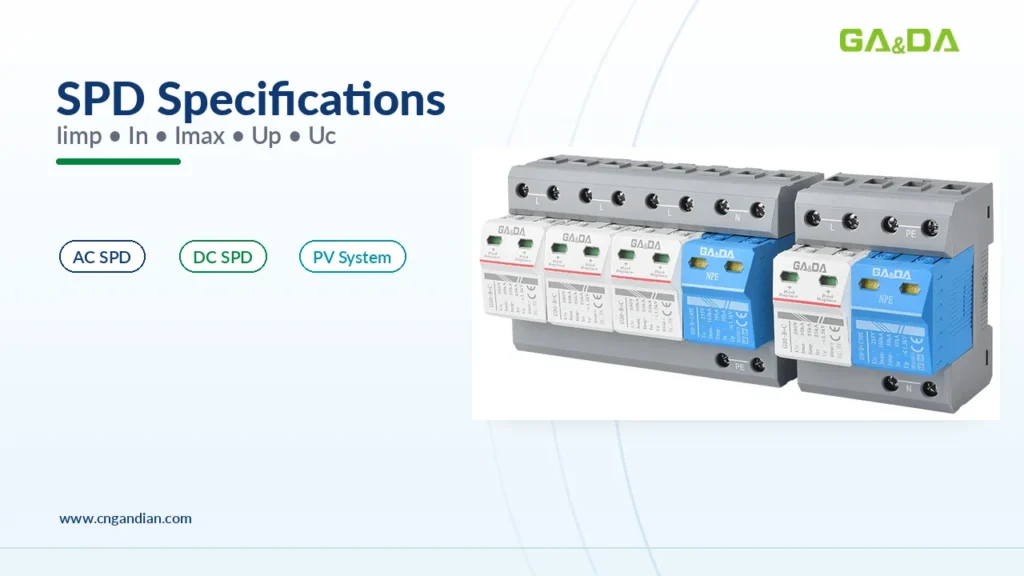
This guide explains SPD specifications including Iimp, In, Imax, Up and Uc, helping buyers compare AC, DC and PV SPDs more accurately.
Read More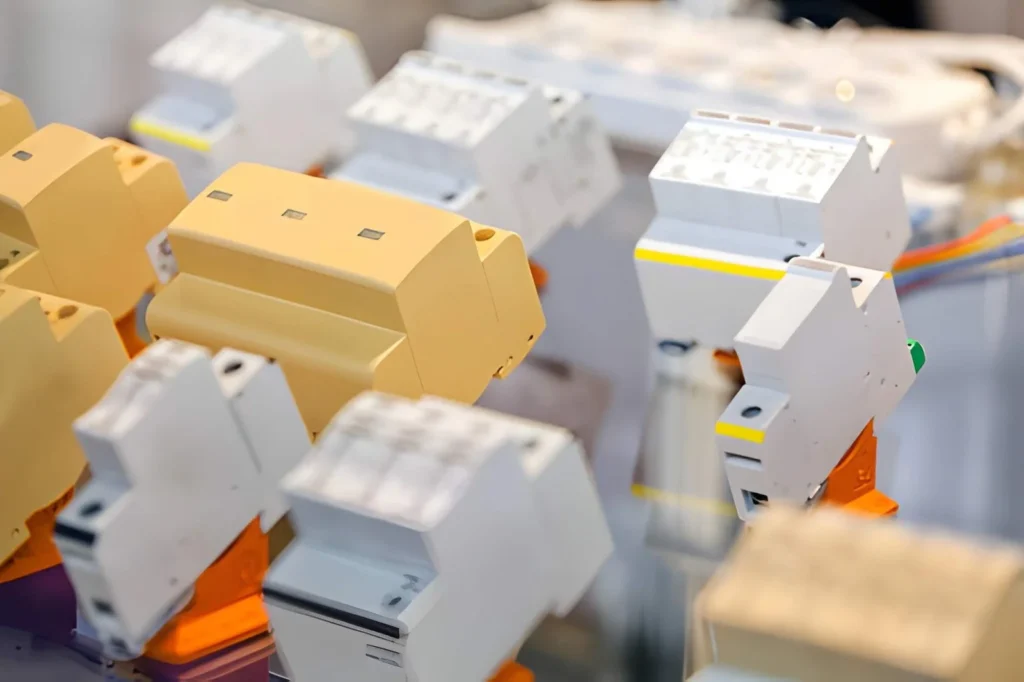
Key Features & Benefits of GANDIAN SPD Surge Protection Device GANDIAN SPD surge protection devices deliver reliable, high-performance defense against transient voltage surges. Designed for diverse electrical environments, their key features combine to safeguard your systems and reduce downtime. Feature Benefit High surge current capacity (Imax 40-200kA) Handles extreme surge currents from lightning or switching […]
Read More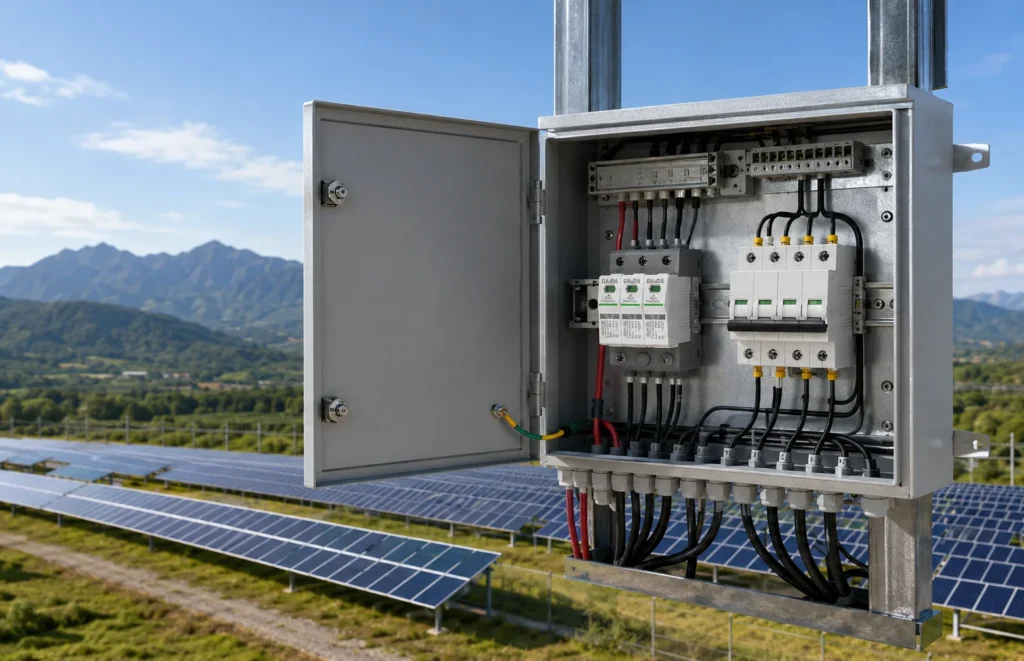
Learn how to choose a 1500V DC SPD for solar PV systems. Compare voltage rating, discharge current, SPD type, installation position, and key selection factors for PV projects.
Read More