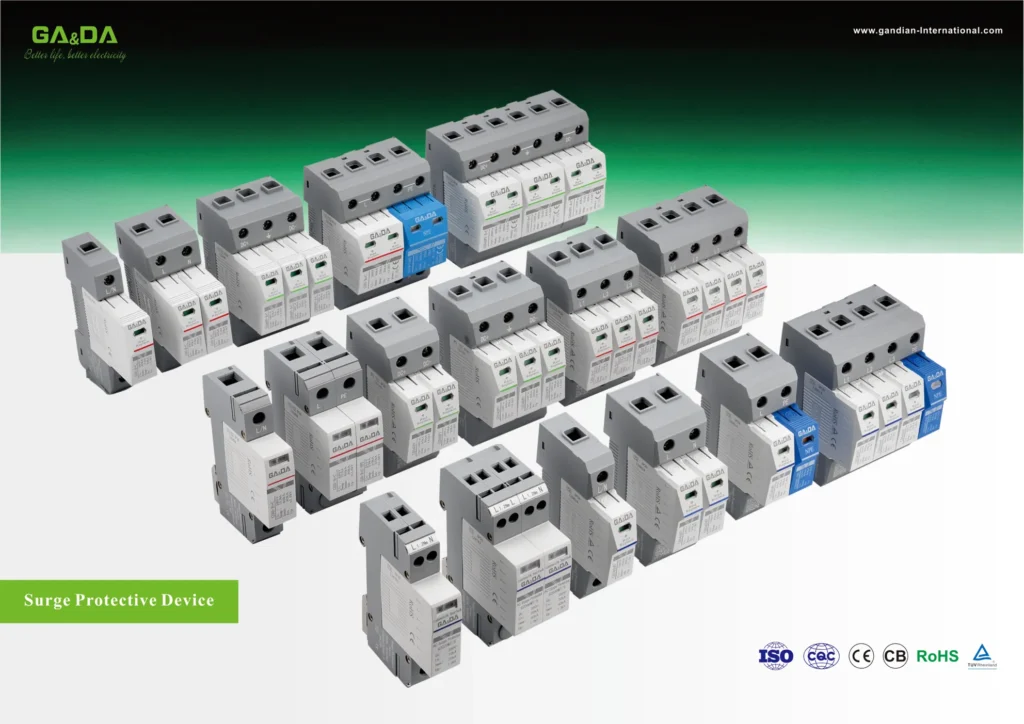
SPD
Power Transfer Switch Guide Manual and Automatic Options Explained
Explore reliable power transfer switches for home generators featuring manual and automatic options ensuring safe seamless backup power.
Read More
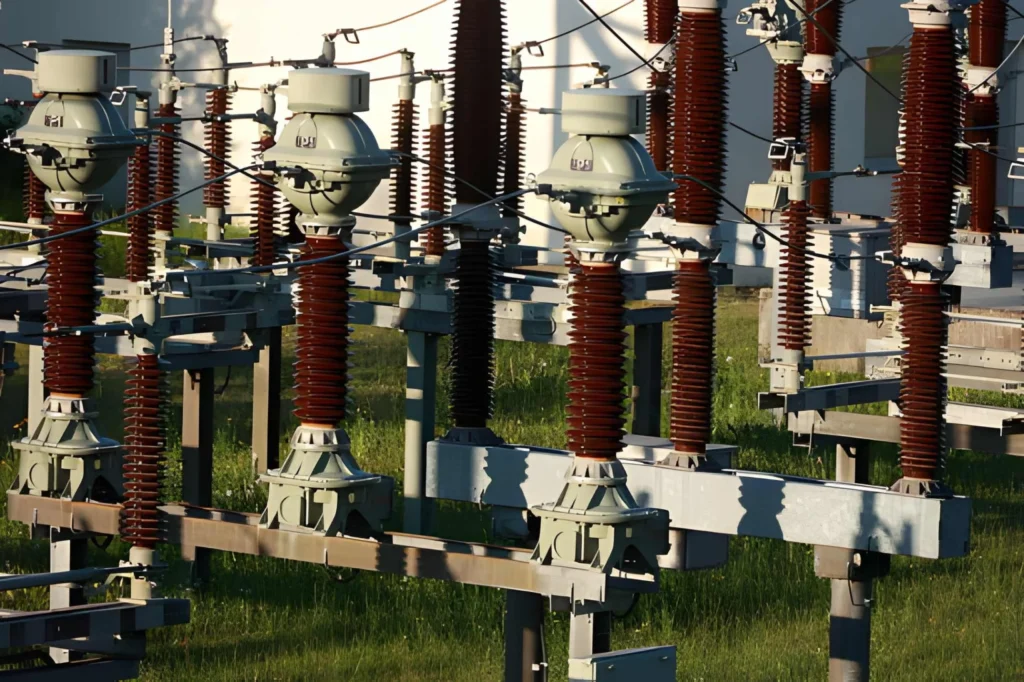
When backup power is essential, safety and reliability come first. A transfer switch breaker plays a critical role in ensuring your generator integrates seamlessly and safely with your home or facility’s electrical system. It acts as the crucial interface that isolates your generator power source from the utility grid, preventing dangerous backfeeding and protecting both utility workers and your appliances.
Without a proper transfer switch breaker, connecting a generator directly to your main breaker panel can cause severe hazards such as electrical shock, fire, or damage to your equipment. This device ensures that your backup generator powers your circuits only when utility power is off and automatically or manually switches back once power is restored.
Key points about the transfer switch breaker:
In short, the transfer switch breaker is the backbone of any safe and code-compliant backup power system. It guarantees controlled power flow and meets essential safety standards such as the NEC electrical code compliance. Choosing the right type and size of transfer switch breaker is vital to protecting your home, your equipment, and the people around you.
When the power goes out, it might seem tempting to simply plug your portable generator directly into a wall outlet. However, this practice is extremely dangerous and strictly prohibited. The key issue here is generator backfeeding—when electricity from your generator flows backward into the utility lines. This can cause serious injury or even death to utility workers fixing the power lines, as they expect these lines to be de-energized.
Beyond safety, backfeeding can also damage your generator and home electrical system, creating fire hazards and putting your appliances at risk. Legally, most electrical codes, including NEC electrical code compliance, explicitly ban plugging generators into wall outlets without an approved transfer device.
The right solution is to use a proper transfer switch breaker or a generator interlock kit. These devices safely isolate your home’s electrical system from the grid, preventing backfeeding and ensuring that power flows only where it’s supposed to. This makes your backup power setup compliant and safe. For a deeper look into protection devices related to electrical systems, consider exploring our range of miniature circuit breakers designed for load management and safety.
When we talk about a transfer switch breaker, it’s important to clear up what that means because the term can cover a couple of setups in backup power systems.
This is a separate, standalone box installed near your main breaker panel. It has its own breakers inside and is designed solely for switching power sources between the utility and your generator. This manual or automatic transfer switch ensures that your home’s circuits are safely isolated from utility power before letting the generator take over. Think of it as a traffic controller that never lets power from both sources flow simultaneously, preventing generator backfeeding hazards.
This setup uses an interlocking device paired with a breaker in your existing main panel. Instead of an extra box, it’s a mechanical safety device that physically blocks turning on the main breaker and the generator breaker at the same time. It’s a more compact solution, often referred to as a generator interlock kit — perfect for homeowners looking to avoid a larger panel installation.
Both systems operate on the break-before-make principle. This means the connection to the utility power is fully disconnected before the generator can supply electricity. This essential step guarantees that the generator does not feed power back into the grid, protecting utility workers and your home wiring.
Understanding these setups helps you decide which transfer switch breaker method fits your needs best while staying safe and compliant with electrical standards. For more detailed electrical component specs related to breakers and fuses, check resources like our fuse ratings explained guide.
How It Works
A generator interlock kit is installed directly on your existing main breaker panel. It mechanically prevents the main breaker and the generator breaker from being on at the same time. This “break-before-make” approach ensures utility power and generator power never run simultaneously, preventing backfeeding.
Pros:
Cons:
How It Works
A dedicated transfer switch is either a separate panel mounted near your main breaker or integrated as an automatic transfer switch (ATS). It safely transfers your load from utility to generator power with a built-in load management system and isolates circuits per NEC 702.5 guidelines. Automatic models switch power seamlessly when the main utility fails.
Pros:
Cons:
At GA&DA, we recommend choosing based on your power backup needs and budget. If you want straightforward, cost-effective generator backfeeding protection for essential circuits, a generator interlock kit is a solid choice. But for whole-house solutions or convenience with automatic switchover, investing in our dedicated transfer switch options—including manual and automatic transfer switches—is worth considering. Both solutions comply with NEC electrical code compliance standards, ensuring safety and reliability.
By understanding these options, you can secure your home’s backup power with confidence.
When it comes to choosing the right transfer switch breaker, sizing is key. Picking the correct amperage and wiring ensures safe, reliable backup power without tripping breakers or damaging equipment.
The amperage rating determines how much current your breaker can handle. Here’s a quick glance:
| Breaker Size | Typical Use Case | Common Generator Connection |
|---|---|---|
| 30-Amp | Small portable generators, limited load | Good for essentials only |
| 50-Amp | Medium to larger portable or whole house generators | Supports more circuits, heavier loads |
Correct wire sizing prevents overheating and voltage drop — both dangers you want to avoid.
| Amperage | Minimum Wire Gauge (Copper) | Notes |
|---|---|---|
| 30-Amp | 10 AWG | Suitable for light loads |
| 50-Amp | 6 AWG | Handles higher loads safely |
Always double-check the manufacturer’s specs and local NEC electrical code compliance for your setup. Proper grounding and bonding are also essential components of installation safety.
For more on protection and compliance, explore our surge protective devices designed for backup power systems.
Sizing your breaker and wiring right is the foundation for a smooth, safe switch from utility to generator power. Don’t cut corners here — your backup system’s reliability depends on it.
When installing a transfer switch breaker, safety and legal compliance are non-negotiable. The National Electrical Code (NEC) section 702.5 is the key reference, requiring transfer equipment to isolate the generator from utility power to prevent dangerous backfeeding. This means your setup must ensure that utility and generator power sources never feed the circuits at the same time.
Proper grounding and bonding keep the system safe by directing fault currents harmlessly to the earth, protecting both people and appliances. One important consideration is the type of generator neutral connection:
GA&DA Transfer Solutions follow strict standards ensuring your grounding and bonding comply fully with NEC rules and local regulations, giving you peace of mind with every installation.
For professional-grade safety, it’s also smart to pair your transfer switch with reliable surge protection. GA&DA offers advanced surge protective devices designed to shield your backup power system against voltage spikes without compromising code compliance. See more on our surge protective device options.
When dealing with a transfer switch breaker in your backup power system, some common hiccups can occur. Here’s a quick guide to troubleshoot three frequent problems:
For reliable long-term safety and efficiency, always use transfer switch breakers compliant with NEC electrical code standards and choose quality products like those found in a proper plastic distribution box designed to protect your setup.
If issues persist beyond these basic checks, consider consulting a licensed electrician to avoid risks like backfeeding or circuit damage.
When it comes to transfer switch breakers, GA&DA stands out for several reasons that matter most to your backup power setup.
| Feature | Benefit |
|---|---|
| Material Quality | Made from high-grade components for maximum reliability and safety. Resistant to wear, corrosion, and extreme weather conditions. |
| Durability | Designed for long-term use with minimal maintenance. Perfect for tough environments and frequent generator use. |
| Warranty & Support | Offers strong warranty coverage plus knowledgeable customer service to help with installation or troubleshooting. |
GA&DA transfer switch breakers and generator interlock kits ensure your whole house generator hookup or portable generator connection remains safe and code-compliant. With features like double-pole breakers and utility power isolation, you’re getting a professional solution that meets NEC electrical code compliance, including grounding standards.
Choosing GA&DA means investing in durability and peace of mind for your backup power system. For additional protection, consider integrating compatible surge protective devices to guard your electrical system from power surges, like those found in our Type 1 surge protective devices lineup.
| Question | Answer |
|---|---|
| Can I install a transfer switch breaker myself? | It’s possible if you have solid electrical skills and understand local codes like NEC 702.5. However, hiring a licensed electrician is usually safer and ensures code compliance, especially for complex setups like whole house generator hookups. |
| Does a transfer switch protect my appliances from surges? | Not directly. Transfer switches isolate utility and generator power, preventing backfeeding, but they don’t provide surge protection. For that, you need dedicated surge protective devices (like these PV surge protectors) installed alongside your system for appliance safety. |
| What’s the difference between a switched neutral and a solid neutral? | |
| Switched Neutral | Breaks the neutral line during transfer. Required by some codes for proper isolation, especially with certain generators. |
| Solid Neutral | Neutral remains solidly connected and not switched. Common in most generator interlock kits but may require bonding adjustments. |
Choosing the right neutral setup depends on your generator type and local NEC electrical code compliance. Always check before installation.
When it comes to keeping your home or business powered during an outage, a reliable transfer switch breaker is your best friend. It’s not just about having a backup generator; it’s about making sure that power is safely and legally routed without risk to you, your appliances, or utility workers. Whether you choose a manual transfer switch, an automatic transfer switch (ATS), or a generator interlock kit, ensuring proper installation and sizing is key to protecting your setup.
Remember, the right transfer switch breaker prevents dangerous backfeeding and complies with NEC electrical code requirements, giving you peace of mind. Investing in quality components, like those meeting the GA&DA standard, means durable materials and solid support backing your system.
By securing your power supply with an approved transfer switch breaker, you’re not only safeguarding your equipment but also ensuring seamless, safe operation when utility power goes down. Proper planning, installation, and maintenance make all the difference in facing power interruptions confidently.
For additional protection, consider integrating surge protective devices to guard against voltage spikes and maintain the longevity of your devices—options like our range of Type 2 Surge Protective Devices can make a significant difference.
Stay prepared, stay safe, and keep your power flowing no matter what.
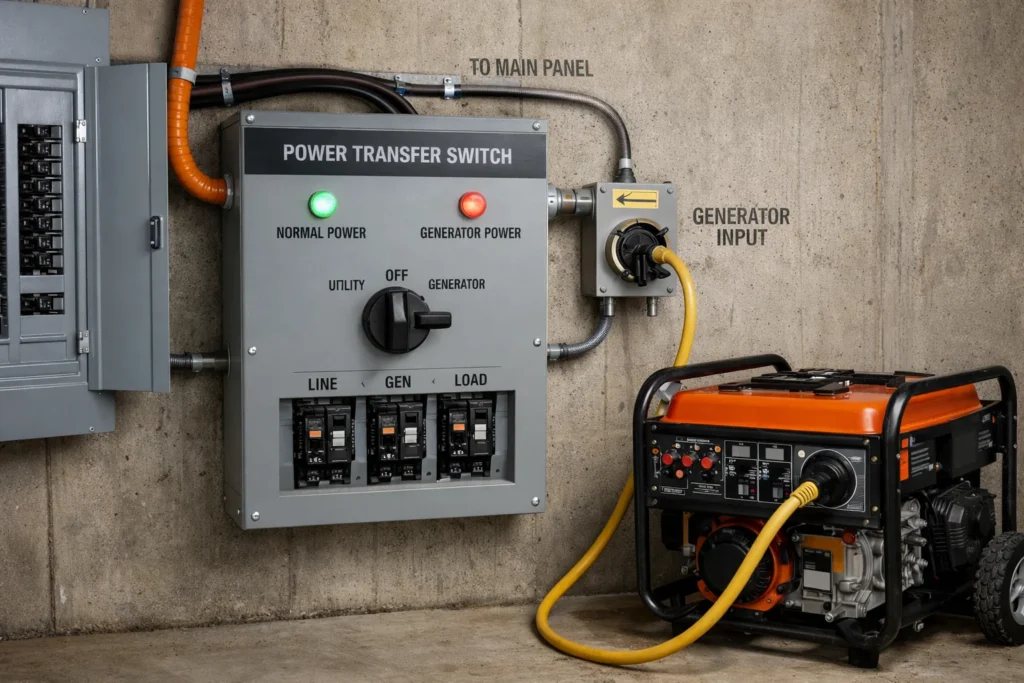
Explore reliable power transfer switches for home generators featuring manual and automatic options ensuring safe seamless backup power.
Read More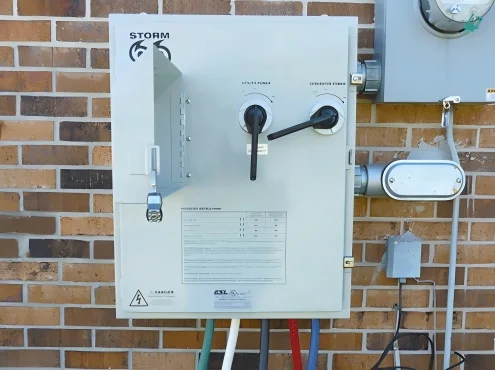
Have you ever wondered what really happens when the power suddenly goes out?More importantly, how does your backup generator safely take over without damaging your electrical system—or putting people at risk? The answer almost always comes down to one critical component: the transfer switch. In this article, we will compare an automatic transfer switch and […]
Read More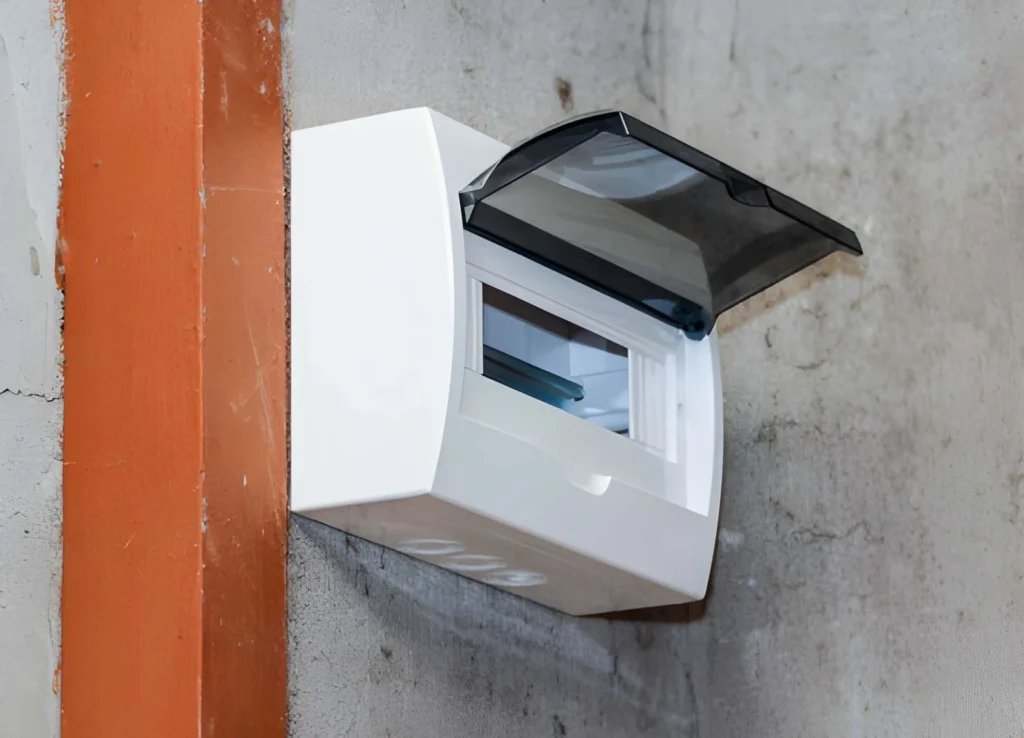
Are you trying to choose the right distribution box for your project, but unsure which specifications or features really matter? Whether you’re working on a residential installation, a commercial building, or an industrial system, the distribution box is one of the most critical components in your electrical setup. A distribution box is not just an […]
Read More