Power Transfer Switch Guide Manual and Automatic Options Explained
Published: Author: info@cngdfl.com
What Is a Power Transfer Switch and How Does It Work?
A power transfer switch is an essential device that safely switches your home’s electrical load between the main utility power and a backup generator. Its core function is to ensure a smooth and reliable transition, providing continuous power during outages.
Core Function
When the utility power goes out, the transfer switch detects this disruption and moves your home’s electrical circuits from the grid to the generator. Once utility power returns, it safely switches back. This seamless transfer prevents power interruption and protects your appliances.
Key Components
A typical transfer switch system includes:
Inlet box: The connection point for the generator power supply outside your home.
Switching mechanism: The internal part that changes the power source from utility to generator and vice versa.
Circuit connections: Wiring links the switch to your home’s electrical panel, controlling which circuits receive backup power.
Safety Features
One of the most critical roles of a power transfer switch is to isolate the generator power from the utility grid. This prevents backfeeding, a dangerous condition where generator electricity flows back into the grid, risking injury to utility workers and damaging equipment. This isolation is mandatory for code compliance and safe operation.
Transition Types
There are two primary ways transfer switches handle switching:
Open transition (break-before-make): The switch briefly disconnects from one power source before connecting to the other, avoiding overlap. This is the most common and cost-effective type.
Closed transition: Both power sources briefly connect during the switch, allowing a smoother changeover with no power interruption. This is ideal for sensitive equipment but usually costs more.
Understanding these basics helps you choose the right transfer switch for your generator setup, ensuring safety, efficiency, and peace of mind during power outages.
Types of Power Transfer Switches
When it comes to choosing a power transfer switch, understanding the different types helps you pick the best fit for your home and generator setup.
Manual Transfer Switches
Manual transfer switches are straightforward devices that let you switch the electrical load between your utility power and a portable generator by hand. You’ll typically find these in setups where users want a cost-effective solution without complex automation.
Ideal use cases: Portable generators, basic home backup systems, or budget-conscious setups.
Pros:
Affordable and easy to install
Simple operation with no complex electronics
Allows selective circuit control, so you can choose which parts of your home get powered
Cons:
Requires you to be physically present to flip the switch during a power outage
Not suitable if you need hands-free or automatic operation
Automatic Transfer Switches (ATS)
An automatic transfer switch takes convenience up a notch. It continuously monitors your utility power and automatically switches to generator power during an outage, then switches back once normal power is restored.
Ideal use cases: Whole-home standby generators, critical loads, or absentee homeowners needing seamless backup.
Pros:
Fully hands-free operation
Fast transfer without interruption
Keeps essential systems running without manual input
Cons:
Higher upfront cost compared to manual switches
More complex installation requiring professional setup
Service-Entrance Rated vs. Non-Service-Entrance Models
Service-entrance rated transfer switches combine the switch and main breaker in one unit and serve as the main point of electrical service entry to your home. Non-service-entrance models simply switch loads but don’t replace your main breaker panel.
Service-entrance rated switches are great if you want to integrate the generator backup into your home’s main electrical system while meeting local electrical codes.
Non-service-entrance switches work well as an add-on for basic backup needs and simpler installations.
For reliable parts and components, consider quality options in related products such as fuse switches and disconnectors available through trusted suppliers like cngandian.com’s fuse switch disconnector range, which ensure safety and compliance in your setup.
Manual vs. Automatic: Which Is Right for Your Home?
Choosing between a manual transfer switch and an automatic transfer switch (ATS) depends on your needs, budget, and how you use your generator. Here’s a quick comparison to help you decide:
Feature
Manual Transfer Switch
Automatic Transfer Switch (ATS)
Cost
Low to moderate
Higher upfront cost
Convenience
Requires manual operation
Transfers power automatically
Installation Complexity
Simpler installation
More complex, needs professional setup
Compatibility
Works well with portable generators
Best for standby home generators
Ideal Use Case
Occasional use, portable generators
Frequent outages, whole-house backup
Factors to Consider
Generator Type: Portable generators pair well with manual transfer switches; standby systems usually require ATS.
Outage Frequency: Frequent interruptions favor automatic switches for their hands-free operation.
Budget: Manual switches are more affordable upfront; ATS offers convenience at higher cost.
Home Size: For larger homes or critical appliances, automatic switches provide quicker, safer transfers.
Alternatives: Generator Interlock Kits
If budget is tight or your setup is basic, a generator interlock kit can offer a simple way to prevent backfeed and safely switch between utility and generator power — a popular choice for smaller homes or DIY enthusiasts.
For safer and code-compliant solutions, consider the range of NEMA rated transfer switches available, designed to fit various home setups with safety in mind.
Key Benefits of Installing a Power Transfer Switch
Installing a power transfer switch brings several advantages that make handling backup power safer and easier at home.
Benefit
Explanation
Enhanced Safety & Code Compliance
Prevents dangerous backfeeding into the grid, protecting utility workers and meeting local electrical codes.
Convenience Over Extension Cords
Eliminates messy, temporary wiring setups—switch power sources with a flick, not cords stretched across your home.
Protection for Appliances & Generator
Ensures stable power flow prevents surges or overloads, extending the life of your devices and generator.
Increased Home Resilience
Keeps essential systems running during storms or grid failures, improving your home’s overall backup readiness.
These benefits make transfer switches essential for both portable and standby generators, offering safer and more reliable power transfer than simple extension cords or manual setups.
For added protection, pairing your transfer switch with high-quality surge protective devices like the Type 1 Surge Protective Devices can safeguard your electrical system from spikes during transfers.
In short, a power transfer switch is a must-have for any backup generator setup, providing safety, convenience, and peace of mind when the grid goes down.
How to Choose the Best Power Transfer Switch
Choosing the right power transfer switch means matching your home’s needs with your generator’s capacity and features. Here’s a quick guide:
Sizing Guide: Match Amperage to Generator and Load
Amperage Rating
Common Use
Typical Generator Size
30A
Small portable generators
Up to 7,500 watts
50A
Medium portable or small standby
7,500 to 12,000 watts
100A
Larger standby generators
Whole-house coverage small to medium homes
200A
Full home standby service entrance
Large homes, heavy loads
Start by checking your generator’s output and your home’s load requirement. A 200 amp transfer switch is ideal for full home backup, but smaller homes or essential circuits might only need 30A or 50A switches.
Calculating Your Needs
Identify essential circuits: Refrigerators, lights, HVAC, and sump pumps.
Estimate wattage requirements: Sum up the wattage of your essential appliances.
Consider future expansion: Leave capacity for additional loads.
Load management: Some switches offer load shedding to prevent overload.
Features to Prioritize
Built-in meters: Monitor voltage and current easily.
Backfeed prevention: Prevent power feeding back into the grid, crucial for safety.
Compatibility: Portable vs. Standby Generators
Portable generators need switches with appropriate inlet boxes and manual or automatic transfer options.
Standby generators usually connect to automatic transfer switches (ATS) with full load capability and include service entrance rated models.
Top Recommendations: GA&DA Transfer Switch Models
GA&DA offers transfer switches known for durability and reliable performance, suitable for both manual and automatic setups. Their switches come with features like NEMA-rated enclosures and load shedding options, making them a solid choice worldwide.
For a durable and safe transfer switch, consider integrating a generator transfer switch like the GDTS-63 interlocking transfer switch to ensure seamless load switching and grid protection.
By selecting the right amperage, considering your essential circuits, and choosing features that match your generator type, you’ll maximize safety and convenience during power outages.
Installation Guide and Professional Tips for Power Transfer Switches
Installing a power transfer switch is a critical job that should almost always be handled by a professional electrician. Here’s a simple overview of the installation process and why skilled help matters:
Step-by-Step Installation Overview
Power Inlet Box Placement: This is usually mounted outside your home or garage to safely connect your generator. The inlet box serves as the generator’s connection point to your electrical system.
Wiring to Main Panel: The transfer switch is wired directly to your home’s electrical panel. It redirects power from the utility to your generator during outages, so precise, code-compliant wiring is essential.
Switch Mounting and Setup: The switch itself must be properly installed to ensure smooth, quick power transfer without electrical faults.
Permits, Codes, and Safety Checks
Following local electrical codes is a must. The National Electrical Code (NEC) Article 702 specifically governs the installation of generator transfer systems to ensure safety.
Permits are usually required before starting work and final inspections upon completion.
Safety features such as proper grounding, correct breaker sizes, and backfeed prevention reduce risks to you and utility workers.
DIY Risks vs. Professional Benefits
While it might be tempting to install a manual or automatic transfer switch yourself, there are plenty of risks:
Improper wiring can cause dangerous backfeed into the grid, risking electrocution.
Code violations may void insurance coverage.
Poor installation may lead to switch failure, overloads, or damage to appliances.
Hiring a professional ensures your transfer switch meets all safety requirements and works reliably when you need it most.
For reliable power inlet boxes and transfer switch solutions, check out high-quality options like the portable generator inlet box designed for durability and safety.
By investing in professional installation, you’re not only protecting your home but also making sure your generator backup system performs flawlessly every time.
Maintenance and Troubleshooting
Keeping your power transfer switch in good shape means regular testing and basic upkeep. Regular checks ensure it switches smoothly between utility power and your generator when needed, avoiding surprises during an outage.
Common Issues and Fixes
Transfer Delays: If your automatic transfer switch (ATS) takes too long to switch, it could be due to faulty sensors or control modules. Quick troubleshooting involves checking wiring connections and replacing worn parts.
Overloads: Too many devices running at once can overload the switch. Use a load shedding transfer switch feature if available, or reduce the number of simultaneous loads to prevent trips.
Backfeed Prevention: Verify that your transfer switch is correctly isolating generator power from the grid to avoid dangerous backfeed. Refer to proper installation and regularly inspect isolation components.
When to Upgrade or Replace
Frequent transfer delays or failures during outages
Increased household power demands beyond your current switch’s capacity (consider upgrading to a 200 amp transfer switch for larger loads)
Physical wear from age, corrosion, or damage
Compatibility issues with a new generator or additional home circuits
Proper care extends the life and performance of your generator transfer switch, protecting your home’s power needs reliably. For safety and optimal function, always follow NEC guidelines and consider professional maintenance checks.
Frequently Asked Questions about Power Transfer Switches
Can I install a generator without a transfer switch?
Technically, yes, but it’s not recommended. Without a power transfer switch, you risk dangerous backfeeding into the grid, which can harm utility workers and your equipment. Using a generator transfer switch or at least a generator interlock kit is the safest way to connect your portable or standby generator.
What’s the difference between whole-house and essential circuit transfer switches?
Feature
Whole-House Switch
Essential Circuit Switch
Coverage
Powers your entire home
Powers only key circuits (fridge, lights)
Switch Size
Larger, more complex
Smaller, simpler
Cost
Higher
More affordable
Ideal For
Full home backup
Basic emergency power
Whole-house switches are great for complete backup, while essential circuit switches save money and cover only crucial appliances.
What’s the typical cost and ROI of a power transfer switch?
Type
Average Cost (USD)
ROI Considerations
Manual Transfer Switch
$200 – $600
Lower cost, but needs manual operation
Automatic Transfer Switch
$800 – $2,000+
Hands-off convenience, faster outage response
Investing in an automatic transfer switch (ATS) often pays off by reducing downtime and protecting appliances from power surges during outages.
GA&DA Product FAQs
Which GA&DA transfer switch suits my generator? GA&DA offers models compatible with portable and standby generators, including 30A to 200A options.
Are GA&DA switches NEMA rated? Yes, many GA&DA switches come in durable NEMA-rated enclosures ideal for outdoor installations.
Do GA&DA switches support load shedding? Some advanced models include load shedding features to manage power demand efficiently during extended outages.
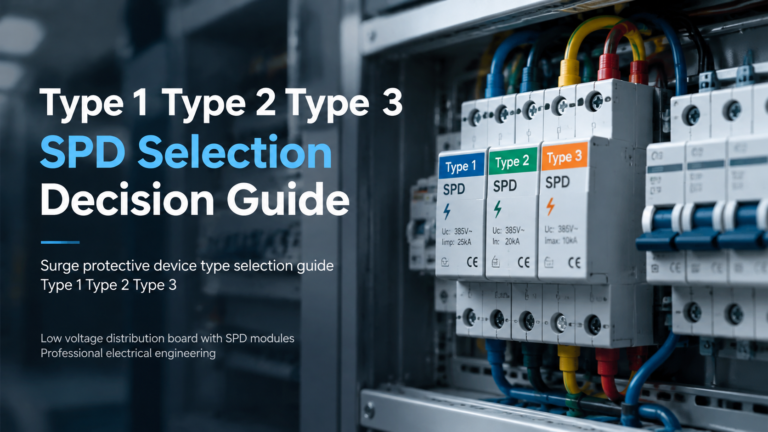
Selecting the wrong surge protective device type is one of the more common and more expensive specification errors in low-voltage installations. The device may work, the installation may pass inspection, and the system will still be under-protected for the actual risk it faces — because Type 1, Type 2, and Type 3 devices are not […]
Follow a DC surge protection circuit through normal operation, a surge and recovery, and see why protection modes and DC fault disconnection need their own design.
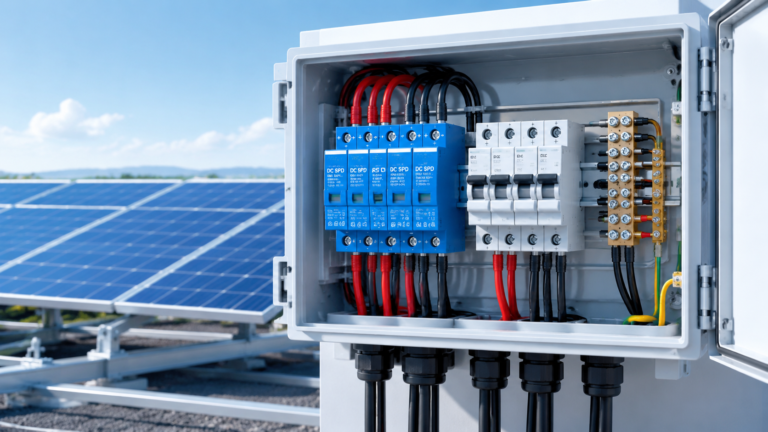
Most solar DC distribution boxes (DCDBs) are fitted with a Type 2 DC surge protection device (SPD), rated for 8/20 µs surge currents; a Type 1+2 DC SPD is required when the DC circuit is exposed to direct lightning strikes or the site has no external lightning protection system. This guide explains how to decide […]