Fuse Ratings Explained Current Voltage Interrupting Capacity Guide
Published: Author: info@cngdfl.com
Table of Contents
If you’re working with electrical circuits, understanding fuse ratings is non-negotiable for safety and reliability. From the fuse current rating that defines how much load a fuse can handle, to the fuse voltage rating that ensures safe interruption without dangerous arcing, every element matters. Throw interrupting rating fuse and time-current characteristics into the mix, and you’ll see why picking the wrong fuse isn’t just inconvenient—it’s a serious hazard. Whether you’re dealing with automotive fuse ratings, plug fuse ratings UK, or sizing fuses for motors and industrial gear, grasping these specs is the first step toward protecting your circuits—and your peace of mind. Let’s break down the essentials and help you make the right choice with confidence, brought to you by GA&DA’s trusted expertise.
What Is a Fuse Current Rating (Amp Rating)?
The fuse current rating, often called the amp rating, is the maximum current a fuse can carry continuously without blowing. It’s the core value that ensures your electrical system stays protected from overcurrent conditions that could cause damage or fire. Simply put, if the current flowing through the fuse surpasses its amp rating, the fuse will blow, cutting off the circuit and preventing further harm.
Protection Role of the Amp Rating
Think of the amp rating like a gatekeeper. It allows normal current flow but acts instantly if there’s an overload or short circuit. This protection role makes it critical to choose a fuse with a current rating matching your device or circuit’s normal operating current.
The Derating Rule
To enhance safety and reliability, fuses are often derated. That means you select a fuse with a current rating slightly higher than the actual operating current—typically 125% to 150% of the nominal current. For example:
If your equipment runs at 10A, a fuse rated at 12.5A to 15A is ideal.
This prevents nuisance blowing caused by minor current spikes or inrush currents during startup.
Derating also accounts for factors like temperature—fuses tend to carry less current safely at higher temperatures, so always check fuse datasheets for temperature adjustments.
Common Mistakes in Sizing Fuse Ratings
Mistakes happen, and with fuse current ratings, some common ones can compromise protection:
Choosing a fuse with too high an amp rating: It won’t blow when needed, risking equipment damage.
Picking a fuse rated too low: Causes frequent nuisance blowing, disrupting operations.
Ignoring inrush currents: Equipment like motors or transformers draw extra current on startup; not factoring this in can lead to premature fuse failure.
Not considering temperature derating: Installing a fuse rated for 20°C in a hotter environment reduces its effective rating.
Always match the fuse current rating to your equipment’s electrical load and environment for reliable overcurrent protection.
Ready to find the perfect amp rating for your needs? Check out GA&DA’s range of precision current-rated fuses designed to balance protection and performance perfectly.
Fuse Voltage Rating: AC vs DC and Why It Matters
The fuse voltage rating indicates the maximum voltage a fuse can safely interrupt without failing or causing hazards. It’s critical to choose a fuse with the correct voltage rating for your system—whether AC or DC—to ensure reliable overcurrent protection.
Voltage Rating Types
AC Voltage Rating: Designed for alternating current circuits, where the voltage passes through zero regularly, making arc extinction easier during interruption.
DC Voltage Rating: Made for direct current systems, which have a constant voltage and no zero-crossing, making the fuse’s job tougher to interrupt the circuit safely. DC-rated fuses usually have higher voltage ratings to handle this challenge.
Risks of Exceeding Fuse Voltage Rating
Exceeding a fuse’s voltage rating risks an unsafe arc that won’t extinguish, potentially causing equipment damage, fire, or electric shock. Using a fuse with too low voltage rating can lead to failure in protecting the circuit or even fuse destruction.
AC vs DC Differences
For AC, voltage rating tends to be lower since the alternating nature helps quench arcs quickly. Typical ratings might be 250V, 400V, or 690V AC.
For DC, voltage ratings are higher—often 125V DC, 250V DC, or above—because the fuse must withstand a continuous arc without the voltage cycling to zero.
Practical Tips for Voltage Rating
Always select a fuse with a voltage rating equal to or greater than your system’s operating voltage.
For mixed or unclear circuits, prefer DC-rated fuses even in AC applications, as they handle voltage interruption more robustly.
Check manufacturer datasheets for rated voltages and application guidelines.
If you’re working on solar PV systems or DC-heavy installations, it’s worth noting that specialized fuse types designed for high DC voltages are essential for safe operation. For example, when integrating with PV combiner boxes or other DC networks, confirm that your fuse’s voltage rating matches or exceeds the system’s DC voltage to prevent failure. You can find more on this in the PV combiner box product specifications.
Keeping your fuse voltage rating correct is a simple step that can save major headaches later by ensuring safe and effective overcurrent protection across your installations.
Interrupting Rating (Breaking Capacity)
The interrupting rating, also known as the breaking capacity, is a critical fuse specification. It defines the maximum current a fuse can safely interrupt without failure or causing dangerous arcing. Selecting a fuse with the proper interrupting rating ensures the fuse will safely break fault currents during an overload or short circuit, protecting your equipment and preventing hazards.
There are two main types of fuses in terms of interrupting rating:
Standard fuses: Designed for typical overcurrent protection, these fuses handle fault currents up to their rated interrupting capacity. They are common in general electrical applications.
Current-limiting fuses: These are built to interrupt high fault currents much faster, limiting the let-through energy and reducing damage to downstream components. They are ideal for sensitive equipment and industrial settings with high short-circuit potential.
Knowing the exact interrupting rating needed depends on your system’s maximum prospective fault current. For instance, the fuse must have a breaking capacity higher than the highest possible fault current at its location. Using a fuse with too low an interrupting rating risks fuse failure or unsafe conditions during a fault.
When selecting a fuse, carefully check the interrupting rating on datasheets and consider the application’s fault current levels. For better performance in high-energy environments, current-limiting fuses are often recommended to minimize equipment damage and downtime.
If you’re looking for devices related to overcurrent protection, consider exploring miniature circuit breakers that complement fuse solutions in electrical systems.
Time-Current Characteristics and Fuse Speed
Understanding the time-current characteristic of a fuse is essential for picking the right protection device. This rating shows how quickly a fuse reacts to different levels of current. Two main types stand out: fast-acting fuses and time-delay fuses.
Fast-Acting vs Time-Delay Fuses
Fast-acting fuses blow almost immediately when current exceeds the fuse rating. They’re ideal for protecting sensitive electronics where any overcurrent can cause damage.
Time-delay fuses can tolerate short bursts of higher current without blowing. This makes them perfect for circuits with inrush currents—those brief startup surges common in motors, transformers, and some power supplies.
Handling Inrush Currents
Inrush currents are temporary spikes that often exceed normal operating current. Using a fast-acting fuse on such circuits might cause nuisance blowing. Instead, a time-delay fuse provides the leeway needed to handle these initial surges safely without compromising protection.
Markings and Selection Tips
Fuse markings often indicate their time-current behavior—look for symbols or codes like “T” for time-delay or “F” for fast-acting. When selecting a fuse, consider:
The normal operating current versus potential surge current.
The application type and whether inrush current is likely.
Manufacturer datasheets for precise time-current curves.
Choosing the right fuse speed ensures reliable protection without unnecessary downtime or fuse replacements. For related surge protection devices that complement fuse choice, check out reliable Type 2 Surge Protective Devices to safeguard your systems further.
Other Key Fuse Specifications and Markings
When picking the right fuse, it’s not just about the amp or voltage rating. Several other specs and markings are crucial for safe and effective overcurrent protection.
I²t and Energy Let-Through
I²t measures the energy the fuse lets through before blowing; a lower I²t means less energy passes, protecting sensitive components.
Useful in applications where circuit damage must be minimised, like electronics or motors.
Term
Meaning
Why It Matters
I²t
Energy let-through (Amp² x sec)
Determines how much energy passes before fuse opens
Operating Classes and Resistance
Fuses come in different operating classes (e.g., gG, aM) defining what kind of overload or fault they protect against.
Resistance affects voltage drop and heat generation during operation — always check fuse resistance specs for high-precision uses.
How to Read Fuse Markings
Fuse markings typically show:
Current rating (e.g., 10A)
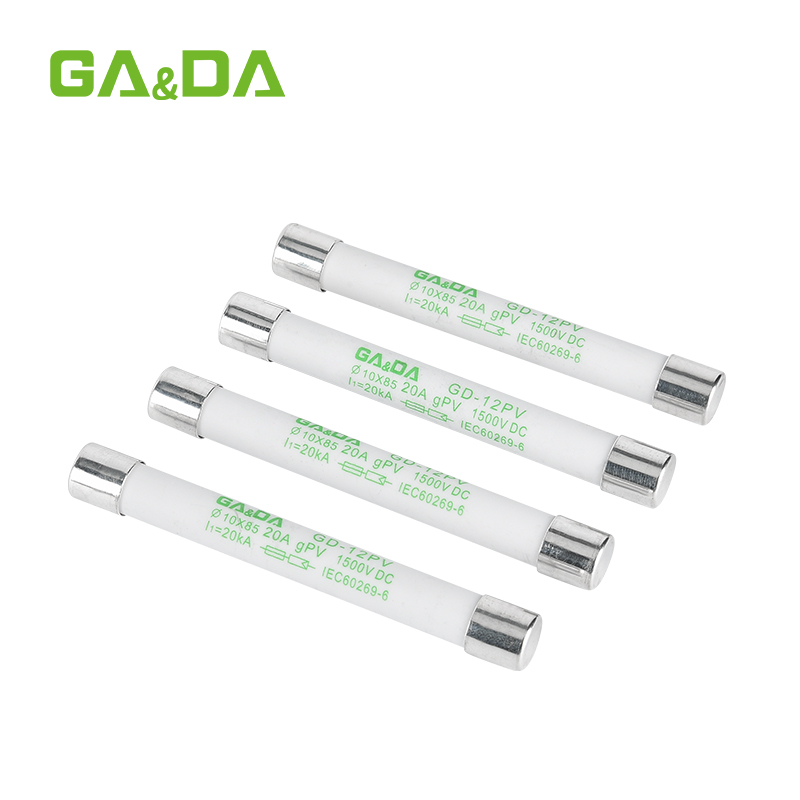
Voltage rating (e.g., 250V)
Interrupting rating (breaking capacity)
Operating class (if applicable)
Manufacturer’s logo and standard approval marks
Understanding these markings helps avoid common mistakes, like confusing fuse size or compatibility.
Environmental Factors
Temperature affects fuse derating — fuses may need a lower amp rating in hotter environments.
Humidity, vibration, and chemical exposure can also impact fuse performance. Look for fuses with appropriate environmental ratings if your application demands it.
How to Select the Right Fuse Rating: Step-by-Step Guide
Choosing the right fuse rating is crucial for protecting your electrical system safely and efficiently. Here’s a simple step-by-step guide to get it right:
1. Determine Operating Current and Inrush Current
Start by identifying your circuit’s normal operating current (load current). Also, consider any inrush currents—temporary surges when devices like motors or transformers start up. These spikes can be several times higher than normal current and affect fuse choice.
2. Calculate Fuse Amp Rating with Derating
Select a fuse amp rating slightly above the operating current to avoid nuisance blows but still protect the circuit. Apply a derating factor to account for ambient temperature, altitude, or continuous loads. For example, if your load is 5A and you apply a 20% derating, choose a fuse rated around 6A.
3. Match Voltage and Interrupting Ratings
Ensure the fuse voltage rating meets or exceeds your circuit voltage—this prevents fuse failure or arcing. Also, verify the interrupting rating (or breaking capacity) is higher than the maximum possible fault current. This is essential for safety and avoiding damage during faults.
4. Consider Application Types
Different applications require various fuse characteristics:
Motors & Transformers: Use time-delay fuses to handle inrush current.
Electronics: Fast-acting fuses for sensitive components.
General circuits: Standard fuses matched by current and voltage ratings.
5. Verify With Datasheets and Regulatory Codes
Always cross-check your selections against manufacturer datasheets and local electrical codes. Fuse manufacturers provide detailed time-current curves and specs that help confirm the best fit. Compliance with local standards ensures safety and legality.
GA&DA Product Recommendation
For reliable fuse bases and protective devices suited to diverse applications, check out GA&DA’s range. Their well-engineered products simplify fuse selection and guarantee trusted overcurrent protection. For instance, GA&DA’s selection includes high-quality alternating current fuse bases designed to match a variety of fuse ratings and interrupting capacities.
Following these steps will help you pick the right fuse rating that protects your equipment effectively without causing unnecessary downtime.
Common Applications and Fuse Rating Examples
Understanding common fuse ratings helps ensure safety and reliability across various applications. Here’s a quick guide to typical fuse rating examples and where they fit:
UK Plug Fuse Sizing Rules
In the UK, plug fuses usually range from 3A to 13A and must match the appliance’s current to protect the wiring properly. For example:
3A fuse for small electronics like phone chargers
5A or 7A fuse for lamps and smaller appliances
13A fuse for power-hungry devices like kettles or toasters
Follow the local wiring regulations closely for safe, compliant fuse sizing.
Automotive Blade Fuse Colors
Automotive blade fuses use colour codes for quick identification of amp ratings. Common colours include:
Red: 10A
Blue: 15A
Yellow: 20A
This system simplifies fuse selection and replacement in vehicles, ensuring correct overcurrent protection.
Motor Protection Sizing
Motors require fuses that can handle startup currents but still protect against overloads. Time-delay fuses rated at roughly 125% to 150% of the motor’s full-load current are typical. This sizing prevents nuisance blowing during startup but reacts quickly if the motor faults.
Electronics and Solar PV Systems
For electronics and solar PV, fuse current ratings must consider steady operating current plus possible surges. Slow-blow (time-delay) fuses manage inrush currents from devices like inverters or solar charge controllers. Voltage ratings should match DC system voltages, often higher than AC ratings, to handle continuous DC loads safely.
By matching fuse ratings carefully to application-specific needs—like selecting the right plug fuse or automotive blade fuse—overcurrent protection becomes both effective and reliable. For more on protecting your equipment, checking out detailed specs like interrupting capacity and surge protection from reliable providers can add extra peace of mind, such as with specialized outdoor surge protectors available for electronics here.
Troubleshooting and Replacement Tips
When a fuse blows, it’s often a sign that the fuse current rating wasn’t quite right for the application. Common signs of incorrect fuse ratings include frequent blowing, slow response to faults, or even no protection during overcurrent events. If you notice any of these, it’s time to troubleshoot.
Signs of Incorrect Fuse Ratings:
Fuse blows too quickly during normal startup (may need a time-delay fuse)
Fuse never blows even when a fault occurs (rating too high)
Fuse heats up or shows signs of damage without clear cause (possible voltage or interrupting rating issue)
Frequent replacements without predictable reason
Safe Fuse Replacement Tips:
Always replace with the exact amp rating fuse or one approved by the device manufacturer.
Check that the fuse voltage rating matches or exceeds your circuit voltage; a lower voltage rating can lead to dangerous arcing.
Confirm interrupting rating (breaking capacity) is suitable for your system’s maximum fault current.
Use properly marked fuses; understanding fuse markings is crucial for safety.
Avoid swapping in a higher amp rating fuse to prevent inadequate protection and risk of damage or fire.
Upgrading to Higher-Spec Fuses:
Only upgrade if the system or load requirements have changed and follow manufacturer specifications.
Higher-spec fuses with better interrupting ratings or more precise time-current characteristics can enhance protection.
Consider consulting datasheets or product guides—such as the GDL3-80 Residual Current Circuit Breaker which combines overcurrent protection with reliable fault interruption—for advanced safety solutions.
Replacing fuses correctly ensures your system stays safe, runs efficiently, and prevents unnecessary downtime. Always review fuse specifications carefully before fitting replacements.
Selecting the wrong surge protective device type is one of the more common and more expensive specification errors in low-voltage installations. The device may work, the installation may pass inspection, and the system will still be under-protected for the actual risk it faces — because Type 1, Type 2, and Type 3 devices are not […]
Follow a DC surge protection circuit through normal operation, a surge and recovery, and see why protection modes and DC fault disconnection need their own design.
Most solar DC distribution boxes (DCDBs) are fitted with a Type 2 DC surge protection device (SPD), rated for 8/20 µs surge currents; a Type 1+2 DC SPD is required when the DC circuit is exposed to direct lightning strikes or the site has no external lightning protection system. This guide explains how to decide […]