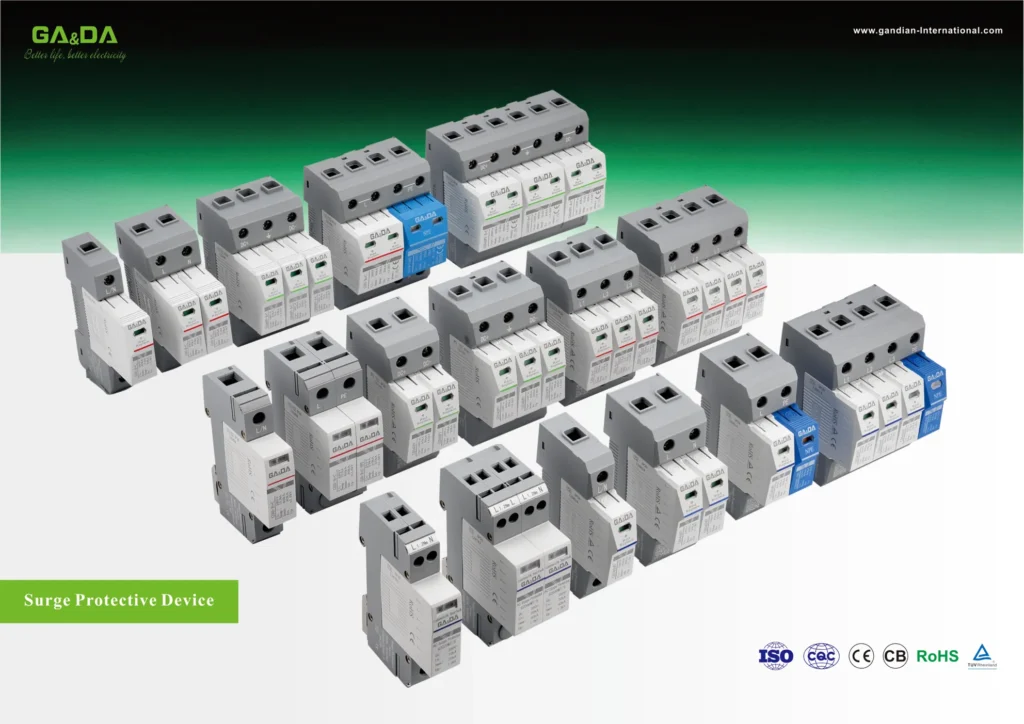
SPD
Type 2 Surge Protection Device Features Benefits and Installation Guide
Discover reliable Type 2 surge protection devices offering IEC 61643-11 compliance, high surge capacity, and advanced voltage clamping for electrical safety.
Read More
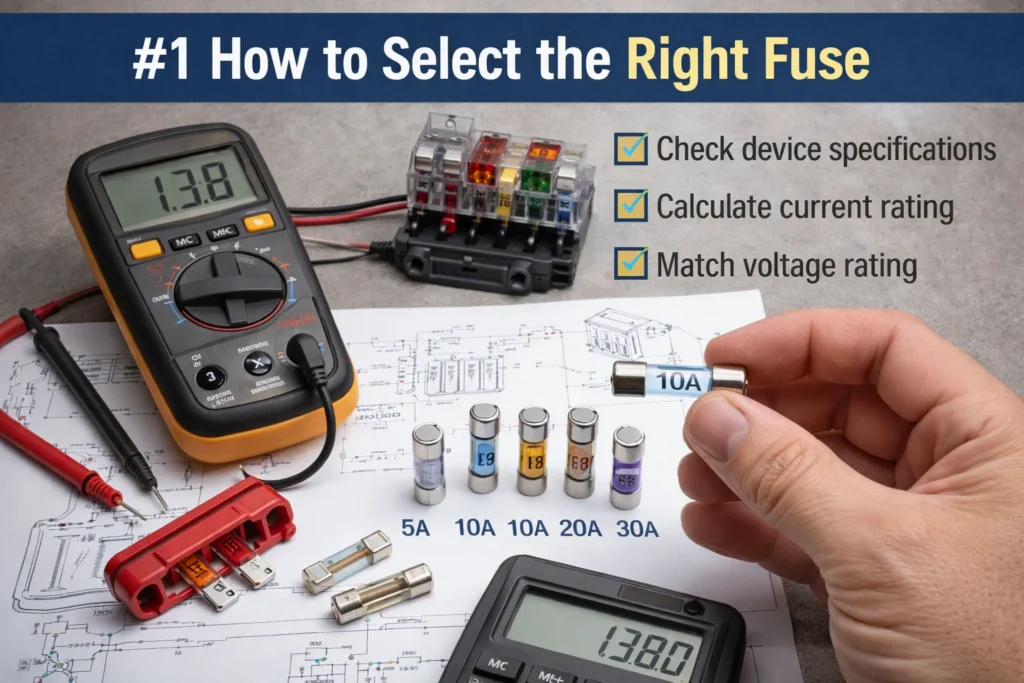
Fuses protect your electrical circuits by breaking the connection when too much current flows through. Inside a fuse, a thin metal element melts (or “blows”) when the current exceeds a safe level, stopping the overcurrent and preventing damage or fire.
| Rating | What It Means | Why It Matters |
|---|---|---|
| Current (Amperage) | Maximum current fuse can handle safely | Prevents nuisance blowing or failure to protect |
| Voltage | Max voltage fuse can interrupt | Must be equal or higher than circuit voltage to safely break the current |
| Interrupting Capacity | Highest fault current fuse can safely interrupt | Ensures fuse won’t fail dangerously in a short-circuit |
Understanding these basics makes choosing the right fuse for your application simpler and safer.
When choosing a fuse for your circuit, understanding the types available and their uses is key. There are two main speed categories: fast-acting fuses and slow-blow (time-delay) fuses. Fast-acting fuses react quickly to overcurrent, making them ideal for sensitive electronics where any surge can cause damage. Slow-blow fuses tolerate brief surges, perfect for motors or devices with high inrush current.
Common fuse types include:
Each fuse type suits different applications:
Picking the right fuse type ensures optimal protection and reliability. For advanced protection needs, you may want to explore options like voltage protectors and circuit breakers designed to work alongside fuses, such as the reliable GA&DA voltage protector devices tailored for various applications.
Selecting the right fuse starts with calculating the normal operating current. You do this by dividing the device’s power (in watts) by the supply voltage (Amps = Watts ÷ Volts). This gives you a baseline fuse amperage selection.
Next, consider any inrush or surge currents—like those from motors or capacitors—that can briefly draw much higher current than normal. For these, you may need a slow-blow or time-delay fuse that can handle short bursts without blowing unnecessarily.
Always apply a safety margin, usually 125-150% of the normal current, especially for continuous loads. This prevents nuisance blowing while still protecting the circuit.
Matching the fuse’s voltage rating is crucial: it must equal or exceed your circuit voltage to safely interrupt faults. Also, check the fuse’s interrupting rating, which is its ability to safely break the maximum possible fault current without damage or hazard. For deeper understanding, you can refer to the detailed fuse ratings explained for current, voltage, and interrupting capacity.
Don’t forget environmental factors like ambient temperature, which can affect fuse performance. Derating the fuse rating for higher temperatures ensures reliable protection.
Fuse speed characteristics matter too: use fast-acting fuses for sensitive electronics that must be protected immediately, and time-delay fuses for inductive loads with higher startup currents.
Finally, consider physical size, mounting options, and compliance with relevant standards to ensure the fuse fits your application’s practical and regulatory needs.
With this step-by-step approach, choosing the right fuse is straightforward and reliable.
Selecting the right fuse amperage starts with calculating the normal load current and then adjusting for real-world conditions like surge or inrush currents.
Rsidential Appliance (1000W at 230V):Calculate current by dividing power by voltage:
1000W ÷ 230V ≈ 4.35A.
Add a safety margin (typically 125%):
4.35A × 1.25 = about 5.4A.
So, a 6A fuse would be a safe choice to protect the appliance without nuisance blowing.
Motor Load with Startup Surge:Motors can draw 3-7 times their running current on startup.
If a motor runs at 10A normally, consider the startup surge:10A × 5 (surge factor) = 50A peak.
Use a slow-blow fuse rated slightly above the running current, such as 15A, designed to tolerate temporary surges without blowing immediately.
Automotive or Low-Voltage DC Circuit:DC circuits need fuses with appropriate voltage rating and interrupting capacity.
For example, a 12V automotive device running at 8A should have a fuse rated for at least 10A and a voltage rating of 12V or higher, usually a blade fuse.
Avoid using AC fuses since they may not safely disconnect DC currents.
Solar/PV System Considerations:Solar systems require fuses with both voltage and interrupting ratings that handle DC and potential fault currents.
For a 48V system supplying 20A continuously, a fuse rated around 25-30A with a DC voltage rating exceeding system voltage is suitable.
High rupturing capacity (HRC) fuses are often preferred for system safety.
For more on protecting renewable setups, check PV surge protective devices.
By following these fuse rating calculations, you ensure appropriate protection without oversizing the fuse, maintaining both safety and reliability.
Choosing the right fuse is crucial for reliable overcurrent protection. Here are some common mistakes to watch out for:
Oversizing fuses: Picking a fuse with an amperage rating too high for your circuit may seem safe, but it actually reduces protection and allows dangerous currents to flow, risking damage or fire.
Using AC fuses in DC circuits: AC and DC fuses handle current interruption differently. Using an AC fuse in a DC circuit can cause failure because DC arcs are harder to extinguish. Always match the fuse type to your circuit’s current type.Ignoring temperature and inrush current effects: Ambient temperature affects fuse performance and may require derating. Also, high inrush or surge currents (common in motors or capacitors) need fuses with appropriate time-delay or slow-blow characteristics to avoid nuisance blows.Mismatched fuse types: Using the wrong fuse type or size for the application – like a fast-acting fuse on an inductive load – can lead to premature blowing or insufficient protection.
Avoid these pitfalls by checking fuse ratings carefully and considering your specific circuit conditions. For industrial or sensitive electronics, looking into reliable options like high-performance surge protective devices can enhance overall protection.
Choosing the right fuse holder is just as important as selecting the correct fuse. Make sure the fuse holder is compatible with your fuse type—whether it’s a cartridge, blade, or glass tube fuse. Using the correct holder ensures a secure fit, reliable contact, and prevents accidental disconnections or overheating.
When installing fuses, place them where they can easily interrupt the circuit but remain accessible for inspection and replacement. Proper placement helps in quick fault isolation and improves safety.
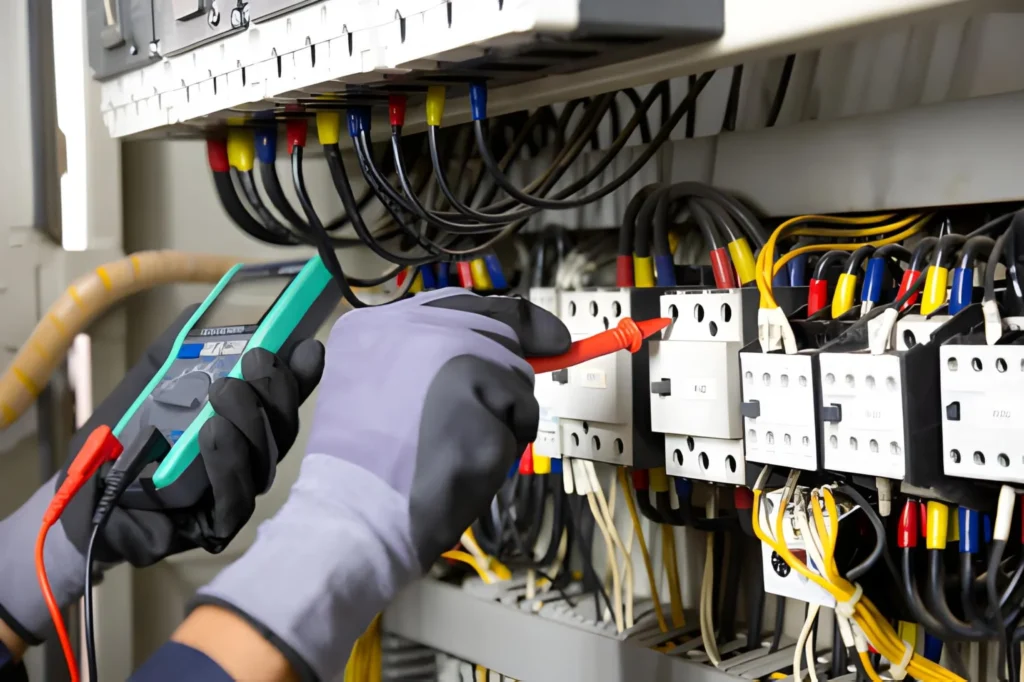
For testing and maintenance, always turn off the power before removing or replacing a fuse. Use a multimeter to check continuity and confirm the fuse has blown before replacement. Keep spare fuses with the exact amperage and voltage ratings on hand, and avoid substituting with oversized fuses, as this compromises overcurrent protection.
For more details on fuse types and compatible holders, you can explore the comprehensive Fuse Basics guide to help ensure proper installation and safety compliance.
GA&DA offers reliable, high-performance fuses designed to meet diverse needs. Whether you need overcurrent protection for residential, automotive, or industrial circuits, GA&DA fuses deliver precision, durability, and safety.
| Feature | Advantage |
|---|---|
| Precision Ratings | Accurate fuse amperage and voltage ratings ensure proper protection without oversizing. |
| Durability | Robust construction withstands harsh conditions and frequent switching. |
| Wide Range of Types | From cartridge and blade fuses to HRC and resettable options, covering most applications. |
| High Interrupting Capacity | Safely interrupts high fault currents to protect your equipment and wiring. |
| Compliance & Standards | Meets global standards for safety and performance for peace of mind. |
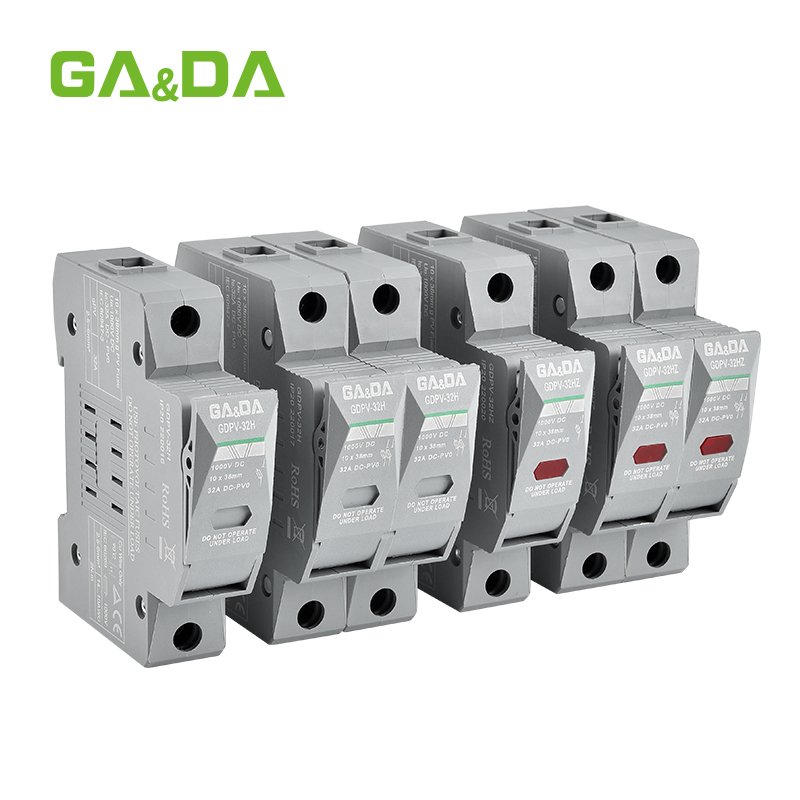
For seamless integration, GA&DA also offers compatible fuse bases and holders that simplify installation and replacement. Explore their durable AC fuse bases and high-quality fuse switch disconnectors for complete circuit protection solutions.
Choosing GA&DA means you get precise fuse amperage selection and trusted overcurrent protection tailored for your specific use, whether residential, automotive, or industrial applications.
Discover reliable Type 2 surge protection devices offering IEC 61643-11 compliance, high surge capacity, and advanced voltage clamping for electrical safety.
Read More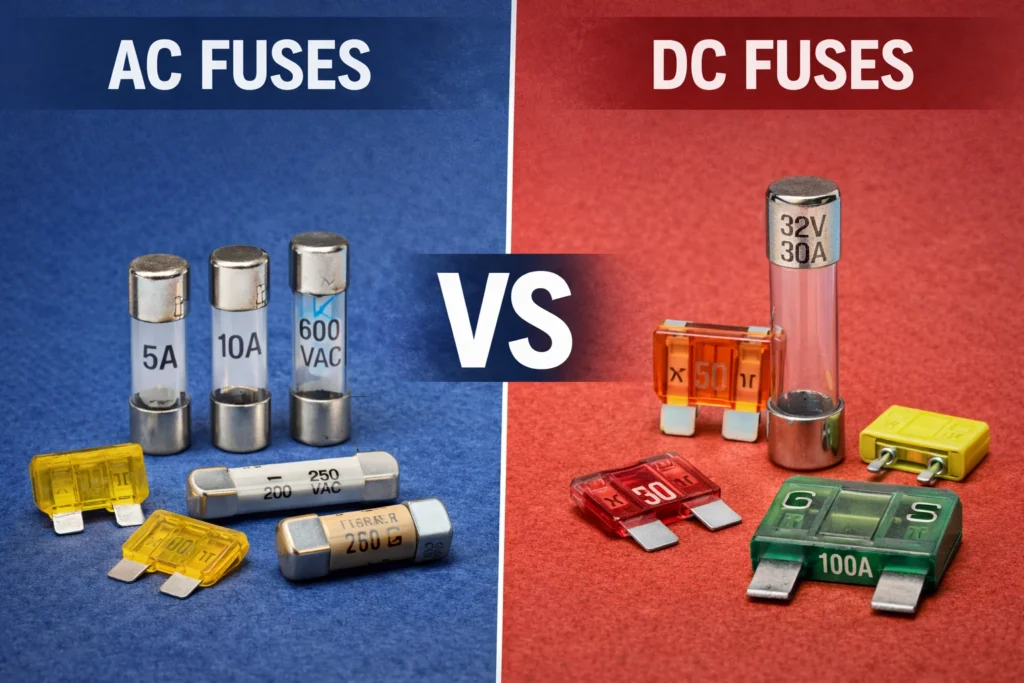
Learn the key differences between AC vs DC fuses including arc extinguishing, voltage ratings, and safety to choose the right fuse for your system.
Read More
Explore reliable power transfer switches for home generators featuring manual and automatic options ensuring safe seamless backup power.
Read More