Reliable DC MCCB Guide for Solar and Battery Systems up to 1500V
Uncategorized
Reading time:
7 minutes
Share:
Share on Twitter
Share on Facebook
Share on LinkedIn
Table of Contents
The Critical Role of DC MCCBs in Modern Energy Systems
Direct current (DC) is increasingly shaping modern energy systems, driven by the surge in renewable energy sources, electric vehicles (EVs), and advanced battery energy storage systems (BESS). Unlike traditional alternating current (AC), DC offers efficiency advantages in solar photovoltaic (PV) installations, EV charging stations, and data centers with uninterruptible power supplies (UPS). As these applications grow, the need for reliable, robust circuit protection specifically designed for DC environments becomes critical.
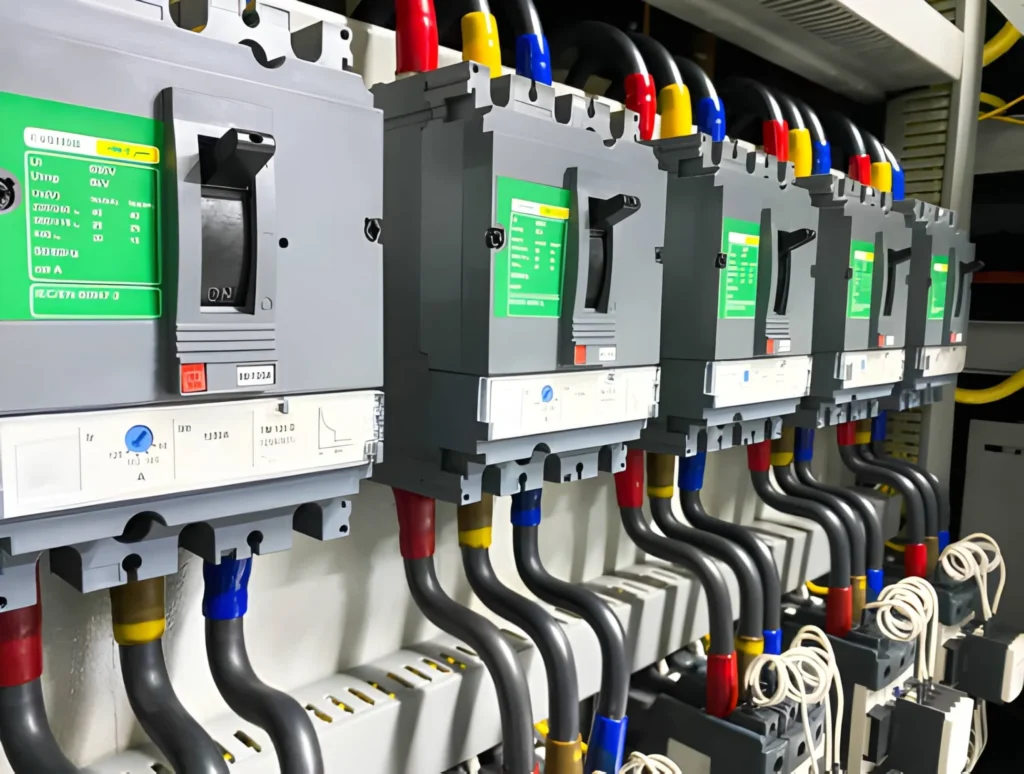
This is where DC MCCBs (Moulded Case Circuit Breakers) step in. Unlike their AC counterparts, DC MCCBs handle continuous current flow without zero crossing, requiring specialized arc quenching chambers and thermal-magnetic trip units to manage unique challenges like electrical arc extinction at high voltages—often up to 1000V DC breaker ratings. By safeguarding circuits from overloads, short circuits, and electrical faults, DC MCCBs ensure both safety and operational continuity in complex DC systems.
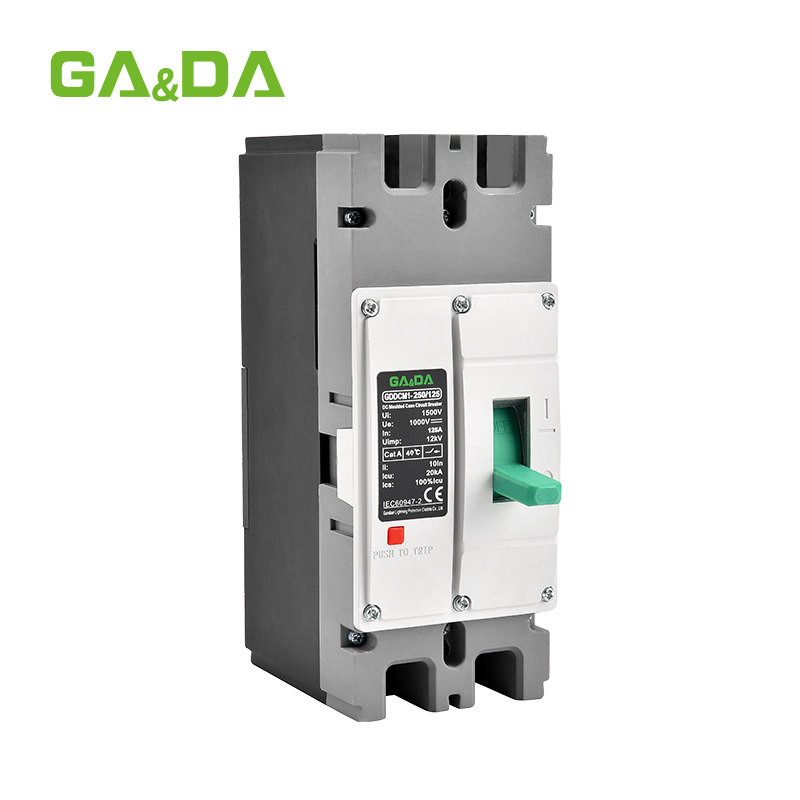
At GA&DA, we understand these challenges and tailor our DC MCCBs to meet the rigorous demands of modern energy systems, providing dependable protection that aligns with global standards like IEC 60947-2. Whether it’s securing your solar PV circuit protection or stabilizing battery energy storage protection, DC MCCBs are fundamental to the evolving energy landscape.
What is a DC MCCB and How Does it Work?
A DC MCCB (Molded Case Circuit Breaker) is a specialized electrical protection device designed to handle direct current (DC) circuits. Unlike standard AC breakers, a DC MCCB manages constant current flows without the natural zero crossing found in AC, making it essential for safely interrupting DC power in systems like solar PV and battery storage.
At its core, the DC MCCB uses a thermal-magnetic trip mechanism. The thermal part protects against overload by bending a bimetallic strip when current heats it up, while the magnetic trip reacts instantly to short circuits by releasing a latch when the current spikes. This combined system ensures reliable protection against both gradual overloads and sudden faults.
One critical challenge in DC MCCBs is managing electrical arcs, which don’t extinguish easily because DC lacks the alternating current’s zero crossing point. To address this, DC MCCBs feature an advanced arc quenching chamber designed specifically to extinguish these continuous arcs quickly and safely, preventing damage and ensuring stable operation in high-voltage environments like 1000V DC breaker setups.
This combination of thermal-magnetic trip units and a specialized arc quenching system makes the DC MCCB an indispensable component for solar PV circuit protection and other DC applications requiring precise and dependable interruption of electrical faults.
DC MCCB vs. AC MCCB: Can You Interchange Them?
When it comes to circuit breakers, DC MCCBs and AC MCCBs look similar but are not interchangeable. The main difference lies in how they handle arc extinction due to zero crossing points in the current.
Zero Crossing and Arc Extinction Differences
AC MCCB relies on the current naturally dropping to zero 50 or 60 times per second (zero crossing). This helps extinguish the electrical arc when breaking the circuit.
DC MCCB must break a constant direct current without natural zero crossing, making arc extinction far more challenging. This requires special DC arc quenching chambers designed to quickly extinguish the arc.
Risks of Using AC MCCBs in DC Circuits
Using an AC MCCB for DC circuits risks incomplete arc suppression, leading to prolonged arcs.
This can cause breaker damage, fire hazards, or failure to trip under a fault.
AC breakers generally have lower short circuit breaking capacity (Icu) when used on DC loads.
Design Differences Between AC and DC MCCBs
Feature
AC MCCB
DC MCCB
Arc Extinction Method
Natural zero crossing
Special arc quenching chamber
Polarity
Non-polarized
Often polarity sensitive
Breaking Capacity
Rated for AC voltage and current
Typically higher for continuous DC
Thermal-Magnetic Trip Unit
Standard
Enhanced, calibrated for DC loads
Applications
General AC power distribution
Solar PV, BESS, EV charging, UPS
Due to these differences, never substitute an AC MCCB for DC circuit protection. For safety and longevity, always use a dedicated DC MCCB designed to handle up to 1000V DC or higher, depending on your system specs. A good example is GA&DA’s non-polarized DC MCCB, built specifically for these challenges.
For more on reliable circuit protection, check out our range of AC MCCBs designed for their intended applications.
Primary Applications of GA&DA DC MCCBs
GA&DA DC MCCBs play a crucial role in protecting various direct current systems across industries worldwide. Their robust design and reliable thermal-magnetic trip units make them ideal for handling the unique challenges of DC circuits.
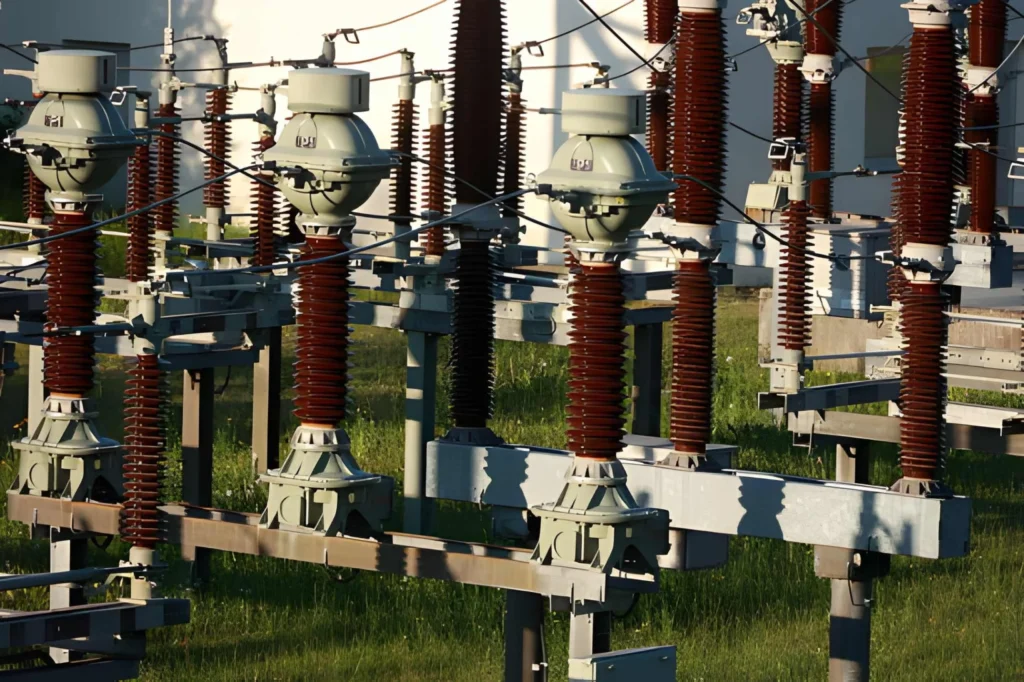
Solar Photovoltaic (PV) SystemsDC MCCBs are essential in solar PV circuit protection. They manage the high DC voltages from solar arrays and provide safe isolation during maintenance. GA&DA’s breakers include advanced DC arc quenching chambers, which are vital for extinguishing electrical arcs and preventing fires in 1000V DC breaker applications.
Battery Energy Storage Systems (BESS)Battery systems require reliable protection against overloads and short circuits. GA&DA DC MCCBs offer excellent breaking capacity to protect battery energy storage protection systems, ensuring longevity and safety.
EV Charging InfrastructureSafety in EV charging stations is critical. GA&DA MCCBs deliver precise overload and short circuit protection tailored for DC loads in fast chargers, complying with strict industry safety standards.
Data Centers & UPSUninterruptible Power Supplies (UPS) and data center DC distribution boxes rely on dependable circuit breakers for continuous operation. GA&DA’s non-polarized DC MCCBs provide flexibility and high fault tolerance in these sensitive environments.
For enhanced system protection, pairing GA&DA DC MCCBs with complementary devices like photovoltaic isolator switches and surge protective devices, such as those detailed in our residual current circuit breakers, ensures optimal safety and performance.
Technical Selection Guide: How to Size Your DC MCCB
Choosing the right DC MCCB is crucial for reliable protection and safe operation. Here are the main factors to consider:
Parameter
What to Look For
Rated Voltage (Ue)
Match or exceed your system voltage (commonly 600V-1000V DC for Solar PV or BESS). The breaker must handle the maximum DC voltage to avoid insulation failure or arcing issues.
Rated Current (In)
Based on the maximum continuous load current. Choose a breaker with a current rating equal to or slightly above your system’s normal operating current to ensure overload protection without nuisance trips.
Breaking Capacity (Icu/Ics)
This is the maximum fault current the MCCB can interrupt safely. Select a breaker with a breaking capacity higher than the prospective short circuit current of your system for effective short circuit protection.
Number of Poles and Configurations
Commonly 2-pole or 4-pole configurations are used in DC systems. Choose based on the system design and whether neutral disconnection is required. Non-polarized DC MCCBs are also available for simpler wiring.
Keep in mind, proper sizing affects both safety and system longevity. For in-depth options and high-quality DC MCCBs meeting IEC 60947-2 standards, check out reliable product lines like the GA&DA DC MCCB collection.
Installation Best Practices and Polarity
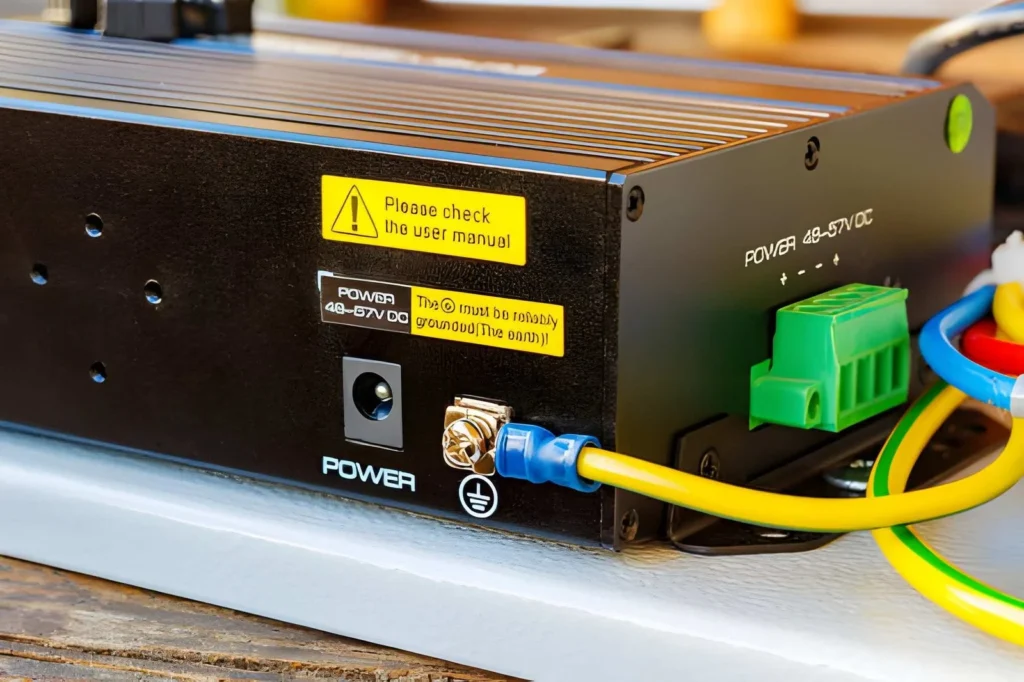
When installing a DC MCCB, paying attention to polarity is crucial. Unlike some AC breakers, many DC MCCBs are polarity sensitive, meaning the positive and negative terminals must be connected correctly to ensure safe operation and proper arc extinction. Reversing polarity can lead to malfunction or damage, so always follow the manufacturer’s wiring instructions carefully.
Proper wiring connections are equally important. Use the right conductor size and ensure all terminals are tightened to the recommended torque values. Loose connections not only cause unreliable performance but can also increase heat buildup, risking premature failure or fire hazards. Using a calibrated torque wrench during installation helps maintain consistent and safe connections.
Environmental factors can also influence MCCB performance. High ambient temperatures cause derating of the device’s rated current, so install the breaker in a well-ventilated, cool location wherever possible. For harsher environments like outdoor solar PV or battery energy storage protection setups, choose MCCBs with suitable enclosures and consider additional protections against dust, moisture, and vibration.
By following these installation best practices, you ensure the long-term safety and reliability of your DC MCCB in demanding direct current applications. For more on protecting solar PV circuits effectively, consider checking our detailed DC fuse link options that complement MCCBs for layered protection.
Why Choose GA&DA for DC Circuit Protection?
When it comes to reliable DC MCCBs, GA&DA stands out for several reasons that matter to modern energy systems worldwide.
Feature
Benefit
Compliance with IEC 60947-2
Ensures global safety and performance standards are met, trusted across industries.
Durability and Life Cycles
Designed for thousands of operations, offering long-lasting protection in harsh DC environments.
Customization and Accessories
Options like different pole configurations and accessories tailor your protection to your exact needs.
Quality Control and Testing Protocols
Every DC MCCB undergoes rigorous testing to guarantee reliable thermal-magnetic trip unit performance and short circuit breaking capacity (Icu).
GA&DA’s expertise ensures you get 1000V DC breakers that excel in solar PV circuit protection, battery energy storage protection, and EV charging station safety. Their DC MCCBs come with optimized arc quenching chambers designed specifically for DC arcs, reducing risks that you’d face with AC-rated breakers.
For the best balance of safety, durability, and flexibility in your DC distribution system, GA&DA’s solutions are a top pick. Explore the GA&DA 2-pole DC MCCB models to see why many professionals rely on their products every day.
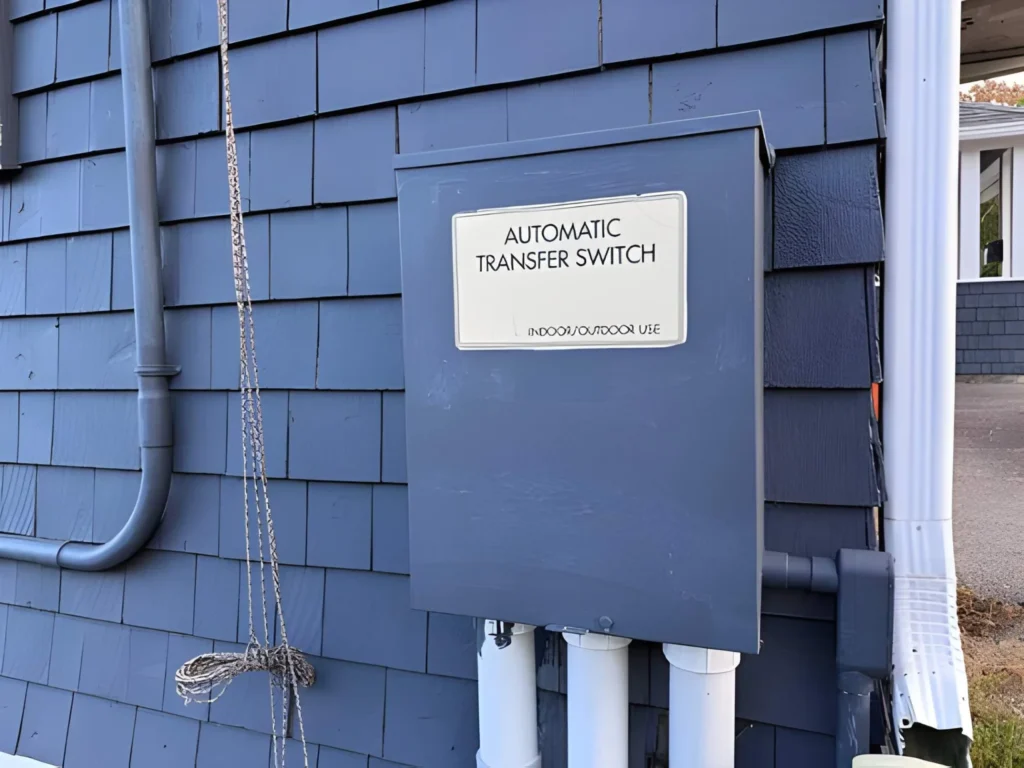
Understanding the Role of the Transfer Switch Breaker in Backup Power Systems When backup power is essential, safety and reliability come first. A transfer switch breaker plays a critical role in ensuring your generator integrates seamlessly and safely with your home or facility’s electrical system. It acts as the crucial interface that isolates your generator […]
Introduction Power over Ethernet (PoE) has become the backbone of modern security and network systems—from IP cameras and wireless access points to industrial control networks. However, PoE systems are highly vulnerable to lightning strikes and transient voltage surges. A PoE surge protector is essential to protect both data and power lines transmitted through Ethernet cables. […]
Have you ever asked yourself what really keeps your power system safe when switching between utility power and a backup generator? Power outages are inconvenient, but unsafe power switching can be far more serious. This is where a transfer switch becomes essential. In this article, we will explain what a transfer switch is, how it […]
We use cookies to enhance your browsing experience, serve personalised ads or content, and analyse our traffic. By clicking "Accept All", you consent to our use of cookies.