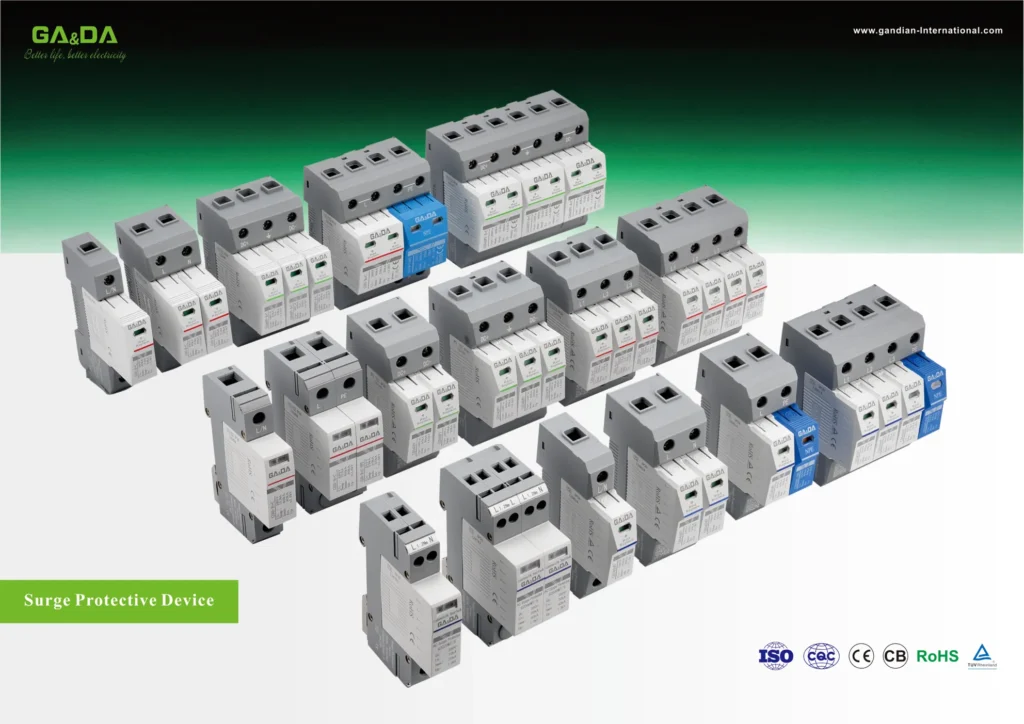
SPD
How to Select the Right Fuse Guide Fuse Types Ratings and Tips
Learn how to select the right fuse with expert tips on fuse types ratings and safety for home automotive and industrial applications.
Read More
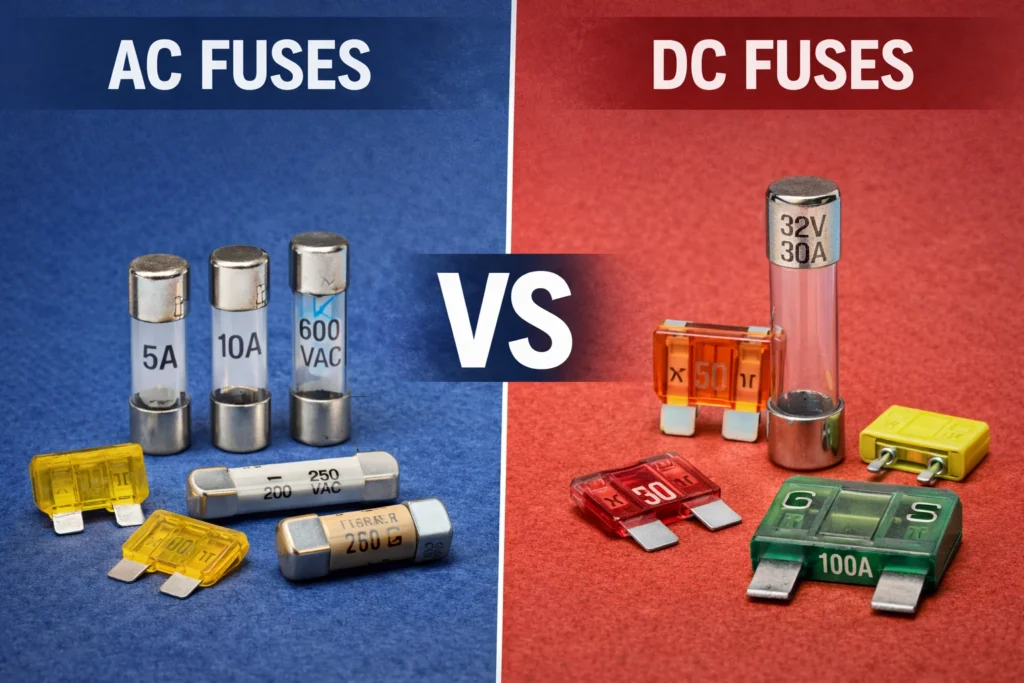
If you’re working with electrical systems, especially in growing fields like solar power or electric vehicles, understanding the difference between AC vs DC fuses isn’t just technical—it’s critical for safety. Using the wrong fuse type can lead to dangerous, sustained arcing, equipment failure, or even fire. In this post, we’ll break down why AC and DC fuses are not interchangeable, what makes them unique in handling current flow, and how choosing the right fuse protects your system and peace of mind. Let’s get straight to the heart of this essential electrical safety topic.
Electrical fuses are simple but vital safety devices designed to protect circuits from overcurrent. Their basic function is straightforward: inside each fuse, a thin metal strip or wire—called the fuse element—is designed to melt or “blow” when current flowing through it exceeds a safe limit. This melting breaks the circuit, stopping the flow of electricity before the wiring or connected equipment can overheat, get damaged, or cause a fire.
Think of a fuse as a controlled weak link built intentionally into electrical designs. When too much current flows—due to a short circuit, overload, or fault—the fuse element heats up quickly and melts. This interrupts the flow and prevents dangerous overheating or catastrophic failures in your system.
By providing this crucial overcurrent protection, fuses act as first responders in electrical safety. They’re found in everything from household appliances and industrial machines to solar PV installations and electric vehicle chargers. The right fuse choice helps avoid costly equipment damage and reduces fire risks, making these little components essential for safe, reliable power systems.
Alternating Current (AC) and Direct Current (DC) behave quite differently, and this plays a crucial role in how fuses perform.
AC current changes its direction periodically—usually 50 or 60 times per second depending on your region. This means the voltage and current swing back and forth, and importantly, they cross zero volts regularly. These points, called zero-crossings, naturally help to extinguish electrical arcs when a fuse blows. The arc basically loses power every time the current hits zero, making it easier for AC fuses to stop the flow safely.
DC current, on the other hand, flows steadily in one direction without ever dropping to zero. This constant flow makes arc formation much more persistent when a fuse element melts. Without zero-crossing points, electrical arcs can keep going, posing a greater challenge to extinguish. As a result, DC fuses need specialized designs to handle these sustained arcs and prevent damage or fire.
Understanding these fundamental differences in AC and DC currents is essential because it directly impacts fuse design, performance, and safety. This is why you can’t simply swap an AC fuse into a DC circuit without risking fuse failure or unsafe conditions. For more detailed information on different fuses for electrical protection, you can check out our fuse basics resources.
| Parameter | AC Fuses | DC Fuses |
|---|---|---|
| Typical Voltage | 250V to 690V (common) | Lower equivalent ratings; derating required |
| Current Ratings | Standard current ratings | Similar amperage but often need derating for DC conditions |
For reliable overcurrent protection, it’s critical to select fuses designed for the specific electrical type—alternating or direct current—to ensure safety and performance under fault conditions. Check out our range of high-quality fuses tailored for both AC and DC applications.
| Feature | AC Fuses | DC Fuses | Notes |
|---|---|---|---|
| Arc Suppression | Easier due to natural zero-cross | Harder, requires quartz sand or special design | DC arcs are tougher to extinguish |
| Typical Voltage Ratings | 250V – 690V common | Lower equivalent ratings; often derated | DC fuse voltages need careful selection |
| Construction | Simpler, shorter bodies | Longer, sand-filled, reinforced element | Built for persistent arcs in DC systems |
| Current Ratings | Standard ratings | Often similar but with derating for DC | DC fuses may need higher interrupt capacity |
| Interchangeability | Not suitable for DC circuits | Can be used in AC but may be overkill | Using AC fuses in DC risks sustained arcing |
| Common Risks | Overheating if underrated | Fire or explosion if AC fuse used in DC | Proper fuse choice is vital for safety |
This clear comparison shows why AC and DC fuses are not interchangeable despite looking similar. DC fuses focus on tougher arc extinguishing and specific voltage ratings needed for stable protection in battery banks, EVs, and solar PV systems. For reliable DC fuse options, check high-quality products like the GDPV-32Z direct current fuse base designed specifically for DC applications.
Generally, you should never use an AC fuse in a DC circuit. The main reason is that DC current flows continuously without zero-crossing points, which makes it much harder to extinguish the electrical arc once the fuse element melts. Using an AC fuse in a DC setup can lead to sustained arcing, increasing the risk of fire, equipment damage, or even explosions.
There are limited exceptions where AC fuses may be used on low-voltage DC circuits—but only if they’re properly derated to handle the DC voltage and current safely. This is a risky approach and should be done only with careful consideration and proper standards compliance.
On the flip side, DC fuses can be used in AC circuits since their more rugged design handles arcs more aggressively. However, this usually means higher costs and sometimes overkill for typical AC applications.
For reliable fuse performance and safety, always select the fuse type specifically rated for your circuit—whether AC or DC—to avoid hazardous failures.
For industrial or renewable energy setups that require precise fuse protection, consider checking reliable solutions like the GDCSG-40 manual transfer switch, which are designed to suit various power configurations safely.
AC fuses are widely used in everyday household wiring, appliances, and grid power systems. They provide reliable overcurrent protection for standard alternating current systems found in homes and commercial buildings.
On the other hand, DC fuses are essential in systems where direct current flows—such as solar PV strings, battery banks, electric vehicles (EVs), and marine or off-grid setups. These DC fuse applications require specialized designs to handle persistent arcs and continuous current flow safely.
For renewable energy and EV protection, GA&DA offers high-quality DC fuses engineered for tough conditions. Their robust construction and advanced arc extinguishing help ensure safety and longevity in demanding DC environments, making them a trusted choice for solar and EV charging systems.
Explore GA&DA’s product line to find reliable solutions tailored for DC overcurrent protection in your renewable or electric vehicle projects.
Using the wrong fuse, especially mixing AC fuses in DC circuits or vice versa, can lead to serious risks. One major issue is sustained electrical arcing. Unlike AC circuits where the natural zero crossing helps extinguish arcs, DC current flows steadily without interruption. This means an AC fuse in a DC system may not stop the arc quickly, causing prolonged high temperatures. That sustained arcing can ignite fires or damage sensitive equipment, risking both safety and costly failures.
There are plenty of real-world examples from forums and industry standards highlighting these dangers. For instance, solar PV and electric vehicle (EV) setups often require specific DC fuses designed to safely interrupt continuous DC arcs. Ignoring this can cause fuse failure, equipment faults, or even explosions in worst cases. Industry safety standards strongly warn against using AC fuses for DC applications, and vice versa, to avoid these fuse safety risks.
To stay on the safe side, always use fuses rated for your application. For detailed advice on selecting the right fuse rating, check guidance like this how to select the right fuse rating for electrical circuits to avoid costly mistakes.
Choosing the right fuse is critical for safety and performance, especially when dealing with AC vs DC fuses. Here’s a simple guide:
Always consult manufacturers’ datasheets and industry standards like IEC or UL to confirm the fuse fits your specific AC or DC application. This helps avoid risks like sustained arcing or equipment damage.
| Factor | What to Check | Notes |
|---|---|---|
| Voltage Rating | Must meet or exceed system voltage | DC ratings usually lower than AC |
| Current Rating | Matches max expected load | Avoid oversized or undersized fuses |
| Fuse Type | AC fuse vs DC fuse | Use DC-rated fuse in DC circuits |
| Application | Residential, solar PV, EV | Specialized fuses like gPV preferable |
| Standards | IEC, UL | Ensures safety and compliance |
Proper fuse selection ensures effective overcurrent protection, prevents fires, and prolongs equipment life. For specialized DC protection, check out high-quality solutions like the surge protective devices listed on CNGandian’s product range.
GA&DA offers a comprehensive range of reliable, high-performance fuses designed for both AC and DC applications. Whether you’re protecting solar PV systems, EV charging stations, or industrial equipment, GA&DA’s fuses deliver consistent overcurrent protection tailored to your needs.
Their DC fuses stand out with fast-acting capabilities and advanced arc extinguishing features, including quartz sand fillers and reinforced elements, ensuring safety in demanding DC environments like battery banks and renewable energy setups. On the AC side, GA&DA provides durable fuses rated for standard grid voltages, offering reliable protection for household and commercial electrical circuits.
If you need robust overcurrent protection that meets global standards, GA&DA fuses are a dependable choice for both AC and DC systems. For more comprehensive circuit protection, consider matching GA&DA fuses with quality miniature circuit breakers, such as those found in the GDDC7 series designed for reliable DC interruption.
Using an AC fuse in a DC circuit is risky because AC fuses rely on the natural zero-crossing of current to extinguish the arc when the fuse blows. DC current flows continuously without zero-crossing, so an AC fuse may fail to interrupt the current properly. This can lead to sustained arcing, resulting in fire hazards or equipment damage. Always use fuses rated specifically for DC when protecting DC systems.
Yes, DC fuses typically cost more. They require special construction—like longer bodies, quartz sand filling, and stronger arc-extinguishing materials—to safely break DC arcs, which don’t have the advantage of zero-crossing like AC fuses. This complexity adds to their price, but it ensures safer and more reliable operation in DC applications such as EV chargers and solar PV arrays.
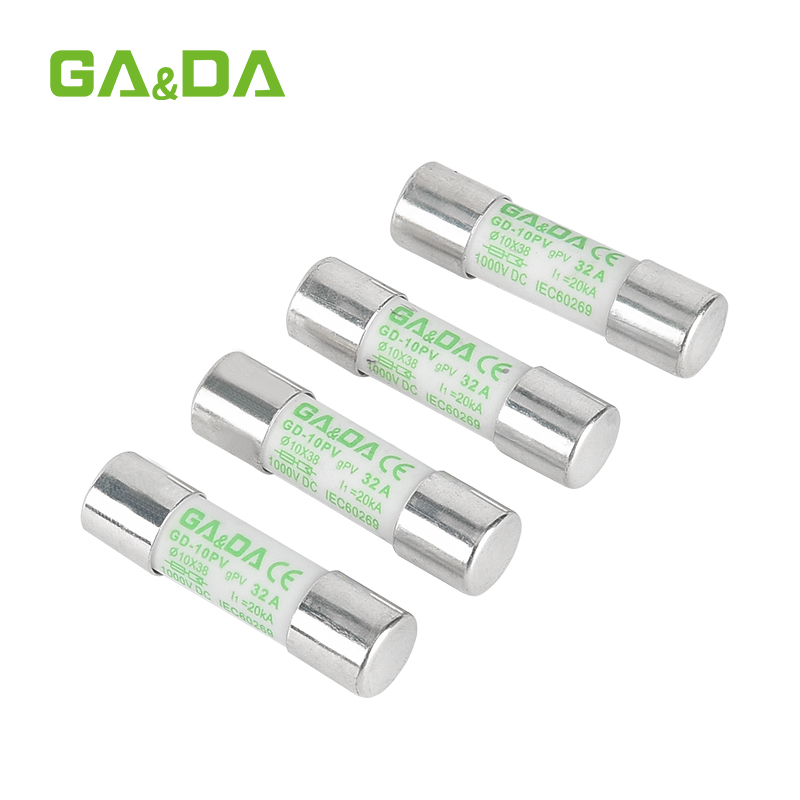
DC fuses often have clear markings indicating their DC voltage and current ratings, sometimes labeled with “DC” or “gPV” for photovoltaic use. They usually feature a longer, sturdier body and may contain quartz sand fillers visible through a transparent casing. Datasheets and standards (like IEC or UL) are your best source to confirm a fuse’s DC rating and suitability.
Circuit breakers can replace fuses in many applications and offer the advantage of being resettable. However, fuses, especially specialized DC fuses, provide faster response times and simpler, more compact designs for overcurrent protection. The choice depends on your system needs—fuses remain the go-to solution in many DC power setups like battery banks and solar installations. For example, combining fuses with miniature circuit breakers can enhance protection, such as those found in reliable DC miniature circuit breakers.
For solar PV systems, use fuses specifically designed for DC, often called gPV fuses. These fuses handle the continuous DC current from solar arrays and effectively extinguish arcs in high-voltage DC circuits. They feature appropriate voltage derating and are often quartz sand-filled. Selecting high-quality branded options ensures safety and longevity in your renewable energy setup. Brands like GA&DA provide trusted DC fuses designed for solar and battery protection, tailored for global markets and rigorous standards.
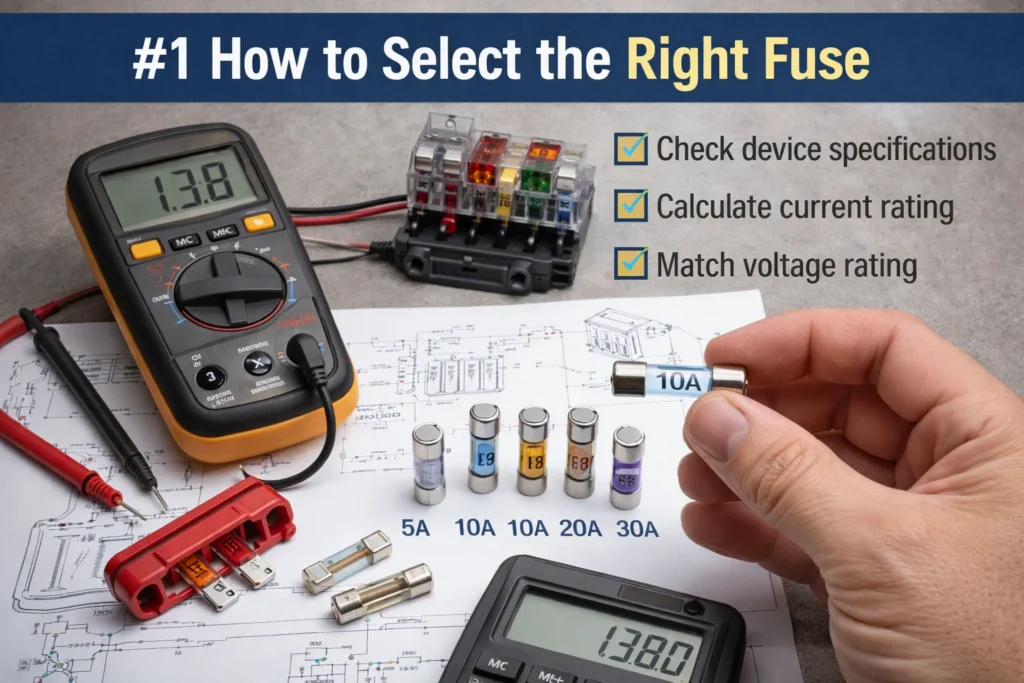
Learn how to select the right fuse with expert tips on fuse types ratings and safety for home automotive and industrial applications.
Read More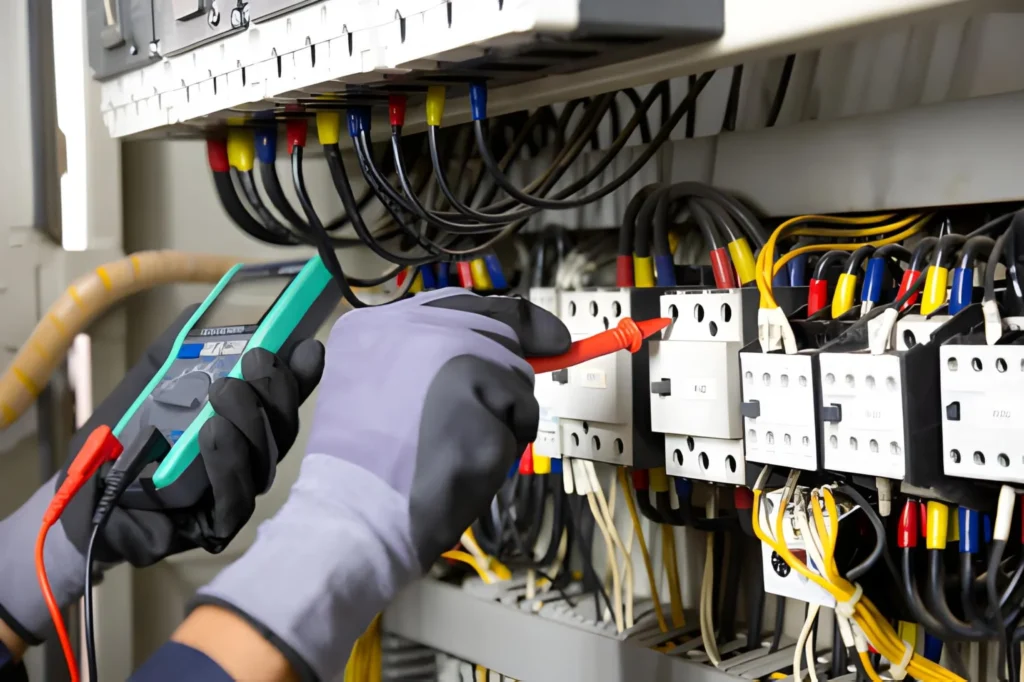
Discover reliable Type 2 surge protection devices offering IEC 61643-11 compliance, high surge capacity, and advanced voltage clamping for electrical safety.
Read More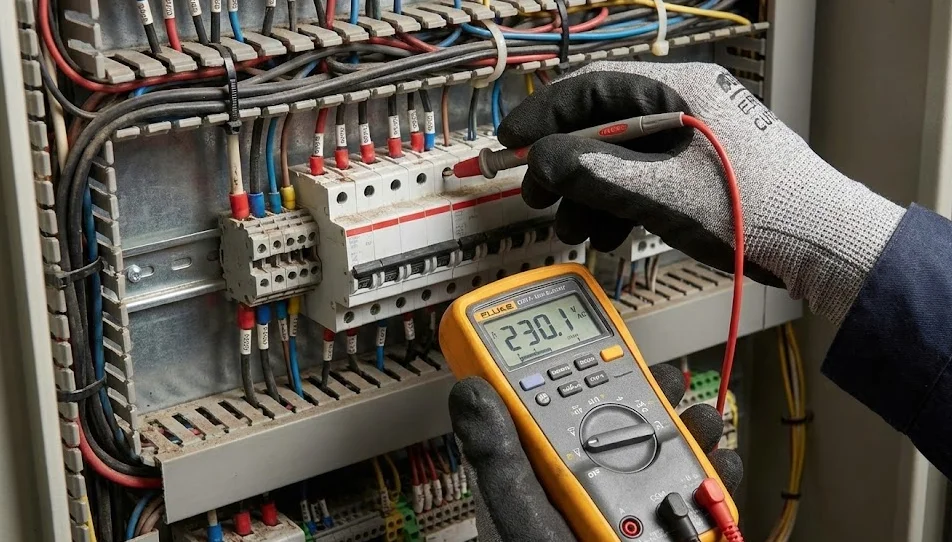
TABLE OF CONTENT In modern homes, commercial buildings, and industrial facilities, sensitive electronics and control systems are constantly exposed to short, high‑energy spikes in voltage known as surges. A surge protective device (SPD) is a dedicated protective component that limits these transient overvoltages and diverts the associated surge current away from equipment and safely to […]
Read More