Have you ever asked yourself what really keeps your power system safe when switching between utility power and a backup generator?
Power outages are inconvenient, but unsafe power switching can be far more serious. This is where a transfer switch becomes essential.
In this article, we will explain what a transfer switch is, how it works, and why it is a critical component in modern backup power systems. Whether you are planning a residential backup solution or evaluating an industrial power system, understanding the role of a transfer switch will help you make smarter, safer decisions.
What Is a Transfer Switch?
A transfer switch is an electrical device that safely transfers electrical loads between two power sources. In most applications, these sources are the utility grid and a backup generator.
The most important function of a transfer switch is isolation. It ensures that only one power source supplies electricity at any given time. Without this isolation, power could flow backward into the utility grid, a situation known as backfeeding.
Transfer switches are commonly used in:
Generator backup power systems
Industrial and commercial electrical installations
Emergency power supply systems
Residential standby power solutions
In short, a transfer switch acts as the gatekeeper of your electrical system.
Why Is a Transfer Switch So Important?
You might wonder whether a transfer switch is really necessary. The answer is almost always yes.
A properly installed transfer switch provides several critical benefits:
Electrical safety for people and equipment
Protection against backfeeding, which can endanger utility workers
Reliable power switching during outages
Compliance with electrical codes and standards
Without a transfer switch, connecting a generator directly to a building’s electrical system is unsafe and, in many regions, illegal.
How Does a Transfer Switch Work?
Although designs vary, the working principle of a transfer switch is straightforward. It follows a clear sequence to manage power transitions safely.
Normal Power Operation
Under normal conditions, utility power supplies electricity to the load. The backup generator remains off, and the transfer switch stays connected to the utility source.
Utility Power Failure
When a power outage occurs, the transfer switch detects a loss of voltage or abnormal electrical conditions. This detection is automatic in some systems and manual in others.
Transfer to Backup Power
Once the generator is ready:
The transfer switch disconnects the load from the utility
It then connects the load to the generator
The load receives power from the backup source
This sequence prevents overlap between the two power sources.
Return to Utility Power
When utility power is restored and stable, the transfer switch moves the load back to the primary source and disconnects the generator.
This controlled process is what makes a transfer switch so critical in any backup power system.
Main Types of Transfer Switches
Not all transfer switches are the same. Different applications require different designs and operating methods.
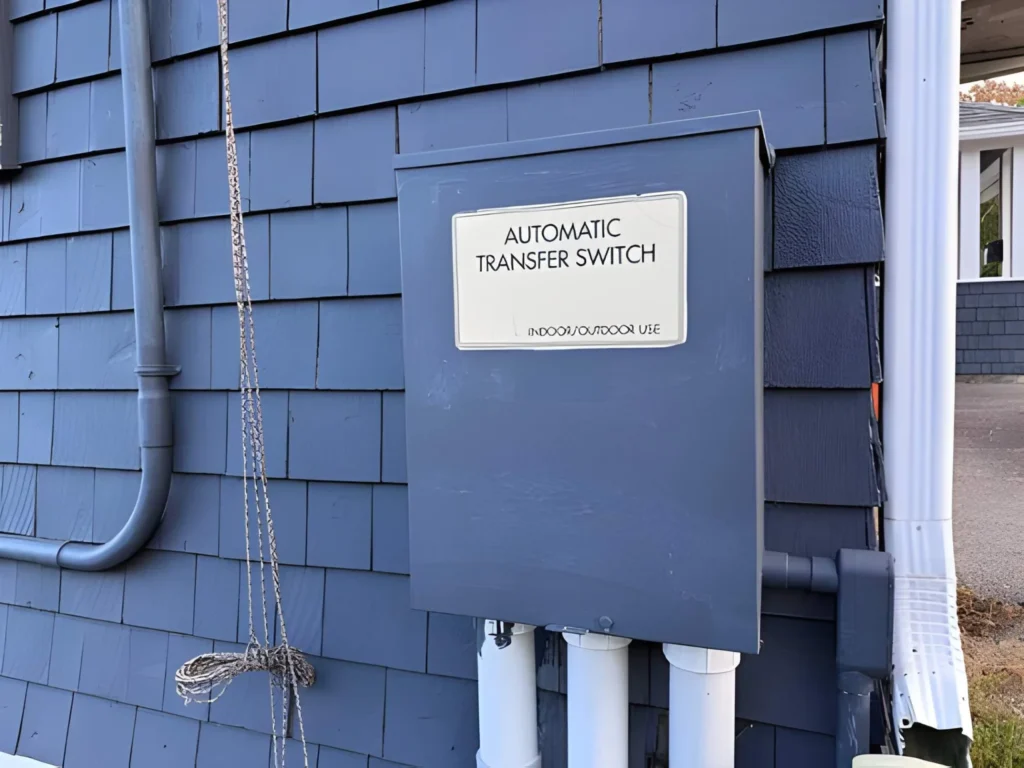
Automatic Transfer Switch
An automatic transfer switch monitors utility power continuously. When it detects a failure, it automatically starts the generator and transfers the load.
Automatic transfer switches are widely used in:
Hospitals and healthcare facilities
Data centers
Industrial plants
Commercial buildings
Residential standby generator systems
Their main advantage is speed and reliability without human intervention.
Manual Transfer Switch
A manual transfer switch requires an operator to start the generator and move the switch manually. While simpler, it still provides safe isolation between power sources.
Each type of transfer switch serves a specific purpose, and neither is inherently better without context.
Open Transition vs Closed Transition Transfer Switches
Beyond automatic and manual operation, transfer switches are also classified by how they transfer the load.
Transfer Type
Description
Typical Use
Open Transition
Break-before-make switching
Most common applications
Closed Transition
Make-before-break switching
Sensitive loads
Soft Load Transfer
Gradual load transfer
Industrial systems
Open transition transfer switches create a brief interruption, while closed transition systems minimize or eliminate downtime. The right choice depends on load sensitivity and system design.
Applications of Transfer Switches
Transfer switches are used across a wide range of industries and environments.
Residential Applications
In homes, a transfer switch allows a backup generator to power essential circuits or the entire house during an outage. This is especially valuable in areas with unstable utility supply.
Commercial Applications
Commercial buildings rely on transfer switches to maintain operations, protect data, and ensure occupant safety. Offices, retail spaces, and hotels often use automatic transfer switches.
Industrial Applications
Industrial transfer switch applications demand high reliability and precise coordination. Manufacturing plants, refineries, and infrastructure facilities depend on well-designed transfer switch systems to avoid costly downtime.
Sizing and Specifications: What You Should Know
Choosing the right transfer switch involves more than selecting automatic or manual operation.
Key specifications include:
Rated current (amps)
Voltage level
Single-phase or three-phase configuration
Environmental protection rating
Incorrect sizing can lead to overheating, reduced lifespan, or system failure. This is why technical evaluation is an essential step in system design.
Common Mistakes When Using Transfer Switches
Even a high-quality transfer switch can fail if applied incorrectly. Common mistakes include:
Undersizing the switch
Ignoring local electrical codes
Improper installation
Lack of periodic testing
Avoiding these issues starts with understanding how transfer switches work and where they are best applied.
When Should You Consult a Professional?
If your system involves industrial loads, high power ratings, or complex control logic, professional guidance is highly recommended.
Working with an experienced supplier or engineer can help you:
Select the correct transfer switch type
Ensure code compliance
Optimize long-term reliability
If you are planning a project or evaluating options, contacting a qualified team for technical advice or a quotation can save time and prevent costly errors.
Conclusion
A transfer switch is the backbone of any safe and reliable backup power system. It controls how power flows, protects people and equipment, and ensures compliance with electrical standards.
By understanding what a transfer switch is, how it works, and where it is used, you can evaluate your options with confidence. Whether for residential, commercial, or industrial use, the right transfer switch makes all the difference when power reliability truly matters.
FAQ
What does a transfer switch do in a generator system?
A transfer switch safely connects the load to either utility power or generator power, preventing backfeeding and electrical conflicts.
Is a transfer switch required for backup generators?
In most regions and applications, yes. Electrical codes typically require a transfer switch for safe generator connection.
Can a transfer switch handle three-phase power?
Yes. Many transfer switches are designed specifically for three-phase industrial and commercial systems.
What happens if a transfer switch fails?
A failure can result in loss of backup power or unsafe switching. Regular inspection and testing reduce this risk.
How long does a transfer switch last?
With proper installation and maintenance, a quality transfer switch can operate reliably for many years.
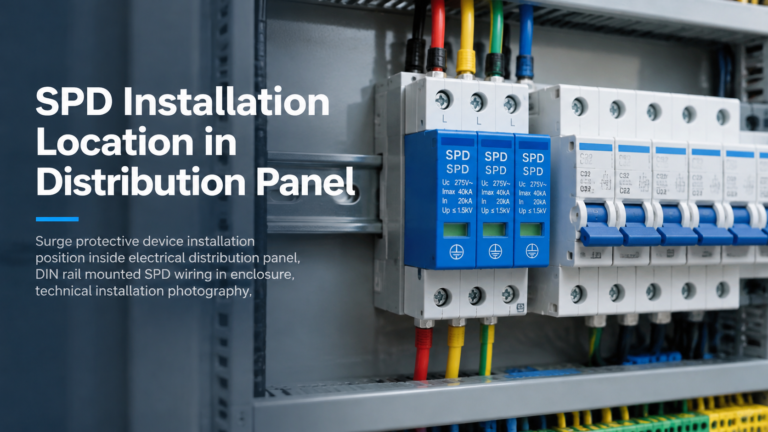
Where a surge protective device is installed determines how much of the surge it actually intercepts. A correctly specified device placed in the wrong position provides far less protection than its datasheet suggests — and because the installation still looks compliant, the shortfall is rarely detected until equipment fails. This guide covers surge protective device […]
Certification requirements sit between a solar combiner box being technically suitable and being accepted. In practice, a box that meets every functional requirement can still be rejected at tender stage or on site because the documentation supporting its conformity does not match what the market expects. This is a documentation and compliance topic rather than […]
Most solar combiner box datasheets open with a table of ratings, and most buyers skim past it. That table is where the decision actually gets made. A combiner box is a passive enclosure — it does not protect anything by itself — so every number on its datasheet is either a limit you must stay […]