SPD
Fuse Ratings Explained Current Voltage Interrupting Capacity Guide
Learn all about fuse ratings including current, voltage, interrupting capacity, and how to choose the right fuse for safe circuit protection.
Read More
Surge Protection Devices (SPDs) are essential for safeguarding electrical systems from voltage spikes caused by lightning or switching events. SPDs come in three main classifications: Type 1, Type 2, and Type 3, each designed to handle surges differently based on their installation and function.

| Feature | Type 1 | Type 2 | Type 3 |
|---|---|---|---|
| Installation Location | Main service entrance | Distribution boards/sub-panels | Equipment outlets or point-of-use |
| Surge Current Capacity | Very high (direct strikes) | Moderate (indirect surges) | Low (residual protection) |
| Waveform Testing | 10/350 µs | 8/20 µs | 8/20 µs |
In a comprehensive surge protection plan, Type 2 surge protection devices are essential. They act as a robust middle layer, blocking residual surges that pass through Type 1 SPDs before reaching sensitive equipment, reducing damage risks and ensuring system reliability.
Choosing the right SPD classification and proper installation according to surge exposure and system design is fundamental to maximizing protection and safety.
A Type 2 surge protection device is designed primarily to guard electrical systems from indirect lightning strikes and switching transients—those sudden voltage spikes caused by switching operations in power grids or large appliances. Unlike primary lightning arresters, Type 2 SPDs focus on managing residual surges that make it past the first line of defense.
These devices typically use varistor-based clamping technology, where metal oxide varistors (MOVs) absorb and divert excess voltage, preventing damage to connected equipment. Some Type 2 SPDs also incorporate gas discharge tubes (GDTs) for enhanced surge handling by quickly switching to a low-resistance state during high-voltage events.
You’ll often find Type 2 surge protectors installed in residential electrical panels, commercial distribution boards, and sub-panels. They act as a vital layer of protection within a building’s electrical distribution system, ensuring sensitive electronics and appliances remain safe from transient voltage spikes.
For reliable options suited to these settings, consider models like the G2020MT-20/40 Type 2 surge protective devices, which combine durability and strong surge capacity tailored for a variety of installations.
When choosing a type 2 surge protection device (SPD), understanding its technical specs is crucial to ensure reliable protection. Here are the main specs to focus on:
| Specification | What It Means | Why It Matters |
|---|---|---|
| Nominal Discharge Current (In) | The surge current the SPD can handle repeatedly without damage (usually rated at 8/20 µs waveform) | Shows durability under normal surge events |
| Maximum Discharge Current (Imax) | The highest surge current the SPD can withstand in a single, extreme surge (like 10/350 µs lightning waveform) | Indicates ultimate surge handling capacity |
| Surge Capacity | Overall energy absorption of the device | Determines how well it protects against big surges |
| Voltage Protection Level (Up) | The voltage limit the SPD clamps surges down to during an event | Lower Up means better protection for sensitive equipment |
| Maximum Continuous Operating Voltage (Uc) | Max voltage the SPD can sustain continuously without failure | Ensures SPD won’t trip under normal conditions |
| Standards Compliance | Certification like IEC 61643-11 (Type 2) and UL 1449 | Guarantees device quality and safety |
| Additional Features | Status indicators, remote signaling, pluggable modules | Helps in easy monitoring and maintenance |
Type 2 SPDs often combine varistor-based voltage clamping and gas discharge tubes for fast and reliable surge suppression. Devices that meet IEC 61643 Type 2 or UL 1449 Type 2 SPD standards assure compliance with global safety and performance benchmarks.
Looking for proven products? The G2040MT Type 2 surge protective devices offer robust specifications suitable for residential and commercial distribution panels.
In , always pick a Type 2 SPD with a balance of high nominal and maximum discharge currents, low voltage protection level, and certification to protect your electrical system effectively.
Installing a Type 2 surge protection device brings solid advantages for both homes and businesses, especially where sensitive electronics and appliances are involved. Here’s why it’s a smart choice:
| Benefit | Explanation |
|---|---|
| Protects electronics | Shields computers, TVs, HVAC systems, and other gear from damaging surge spikes caused by indirect lightning strikes and switching transients. |
| Lowers downtime and data loss | Minimizes interruptions by keeping equipment running smoothly, reducing costly repair and data recovery efforts. |
| Reduces fire risk | Prevents electrical surges from overheating wiring and devices, lowering the chance of fire hazards. |
| Extends equipment lifespan | Clamping high-voltage spikes increases the durability of appliances and tech, saving replacement costs over time. |
| Code and insurance compliance | Meets standards like IEC 61643-11 and UL 1449, helping satisfy electrical safety codes and often required by insurers for coverage. |
With these benefits, a Type 2 SPD is essential for layered protection—adding a reliable line of defense downstream from the main breaker to safeguard your distribution panels and connected devices.
For high-quality, durable options, check out reliable models like the G2015DZ Type 2 surge protective devices.
When deciding on surge protection, it’s important to understand how type 2 surge protection devices compare with other SPD categories.
Type 1 SPDs provide primary lightning protection at the service entrance, designed to handle direct lightning strikes with high surge currents (typically tested with 10/350 µs waveforms). In contrast, Type 2 SPDs offer secondary protection and are installed downstream, such as at distribution panels. They focus on suppressing switching transients and indirect lightning surges, making them ideal for panel-level surge protection.
While Type 2 SPDs protect the whole panel or sub-panel, Type 3 devices are meant for point-of-use protection, safeguarding sensitive electronics right at the outlet or device level. Type 3 SPDs handle smaller surge currents and use waveform testing like 8/20 µs. Combining these ensures layered protection from overall surge to precise device-level defense.
Using Type 1 and Type 2 SPDs together creates a comprehensive surge protection strategy. The Type 1 SPD absorbs the brunt of direct strikes while Type 2 units manage the residual surges traveling downstream. This coordination reduces stress on downstream equipment and extends the life of your electrical system.
For reliable performance, consider professional-grade options like the G2010MT-10/20 Type 2 surge protective devices that fit well within such layered systems, combining durability and compliance with international standards.
Choosing the right Type 2 surge protection device depends on a few crucial factors:
Residential setups usually need reliable but cost-effective Type 2 SPDs designed for lower surge currents, while commercial and industrial environments demand robust units with higher surge handling capabilities.
For top performance and durability, GA&DA models stand out. These offer efficient varistor-based clamping, quick response times, and compliance with standards like IEC 61643-11 and UL 1449. GA&DA’s range includes pluggable surge protection modules, which simplify installation and maintenance, making them a popular choice for distribution panel surge protection in both homes and businesses.
Common mistakes to avoid:
For a reliable Type 2 SPD suited to your system, consider models like those from GA&DA, including the highly regarded G2026XZ Type 2 surge protective devices, designed for versatile and strong surge suppression in various applications.
Installing a type 2 surge protection device correctly is key to ensuring effective protection. Follow these steps for a safe and reliable installation:
For quality and reliable Type 2 SPDs designed for straightforward installation, consider models like the Type 12 AC Surge Protective Devices which come with features supporting easy wiring and robust protection.
Following these steps will ensure your Type 2 SPD functions optimally, offering vital protection against indirect lightning strikes and switching surges at the distribution panel level.
Keeping your Type 2 surge protection device in good shape is key to reliable protection. Most modern Type 2 SPDs come with status indicators or LEDs that show if the device is working properly or if there’s a fault. Pay close attention to these signals—they’re your first clue if the SPD has taken a big surge and needs checking.
Fault signals might look like a red LED, a blown fuse, or a remote alarm trigger if your SPD supports remote signaling. When you see these, it’s time to inspect the device immediately. Ignoring fault signals could leave your electrical system vulnerable.
Type 2 SPDs typically have varistor or gas discharge tube components that wear out over time after repeated surges. Most devices have a lifespan of 3 to 5 years, but heavy surge exposure can shorten this. Replace the device as soon as the indicators show failure or after a major surge event.
Many Type 2 SPDs come with pluggable modules for easy replacement without rewiring the whole unit, such as the ones found in high-quality models like those on the G20 BC-6.5 Type 2 surge protective devices page.
Understanding your SPD’s lifespan helps you plan maintenance better. Check the manufacturer specifications, but expect gradual performance reduction with each surge. Many reliable Type 2 SPDs comply with IEC 61643-11 and UL 1449 standards, which often include warranty coverage ranging from 3 to 10 years depending on the model.
For continuous surge protection, regular inspection and timely module replacement ensure your system stays protected without unexpected downtime or damage to your electronics.
Yes, Type 2 surge protective devices are designed to work with a variety of system voltages and phase configurations, including single-phase and three-phase setups. Just make sure to select a model rated for your specific system to ensure optimal protection.
Costs vary depending on features like surge capacity, status indicators, and brand reputation. While more advanced models with pluggable modules or remote signaling may cost a bit more, the investment is usually justified by the protection they provide for valuable equipment.
No, Type 2 SPDs mainly protect against indirect lightning effects and switching surges. For direct lightning strikes, a Type 1 SPD is necessary as primary protection, usually installed at the service entrance.
When correctly installed and coordinated with other SPD types, Type 2 devices are highly effective at clamping down surges from switching events and indirect lightning, greatly reducing risks of downtime, fire hazards, and equipment failure.
Type 2 SPDs have a limited lifespan based on how many surges they absorb. Most units feature status indicators or remote signaling to alert you when replacement or maintenance is needed. Periodic inspection is important to maintain protection.
While some users may install a Type 2 SPD themselves, professional installation ensures correct wiring, optimal placement, and compliance with electrical codes, maximizing the device’s effectiveness and safety.
Myth: “Surge protectors don’t really work and are a waste of money.”
Fact: Properly selected and installed Type 2 SPDs provide essential protection against damaging electrical surges. They save money long-term by preventing equipment damage and downtime.
For more details on reliable Type 2 surge protective devices, consider exploring the trusted GA&DA Type 2 SPD models known for durability and performance.
Learn all about fuse ratings including current, voltage, interrupting capacity, and how to choose the right fuse for safe circuit protection.
Read More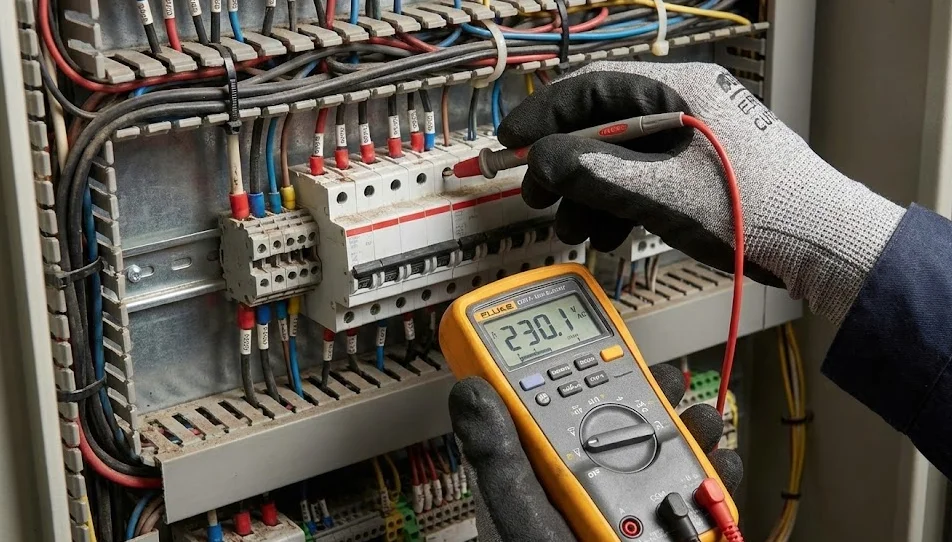
TABLE OF CONTENT In modern homes, commercial buildings, and industrial facilities, sensitive electronics and control systems are constantly exposed to short, high‑energy spikes in voltage known as surges. A surge protective device (SPD) is a dedicated protective component that limits these transient overvoltages and diverts the associated surge current away from equipment and safely to […]
Read More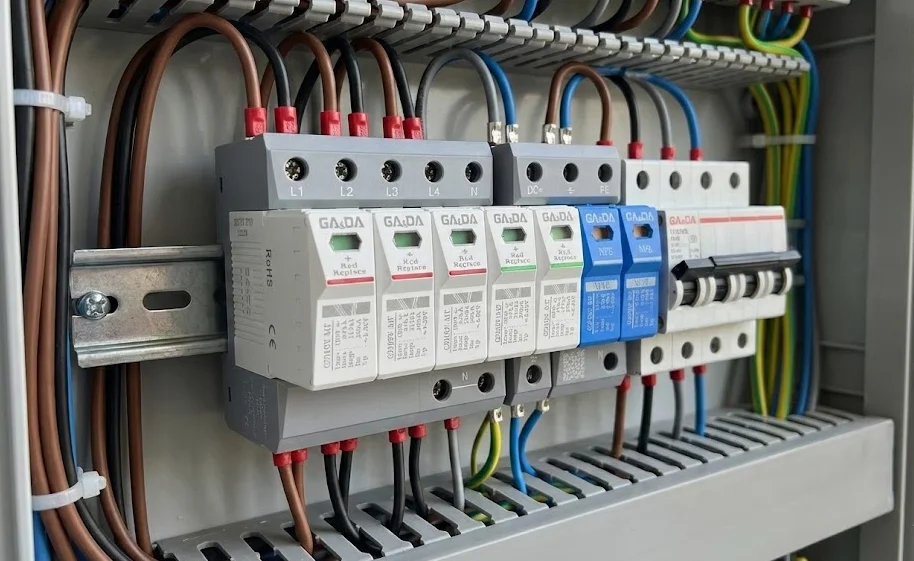
TABLE OF CONTENTS Getting surge protective device installation mistakes under control is one of the fastest ways to improve the real‑world performance of surge protection in low‑voltage systems. Many electrical failures blamed on “bad equipment” are actually the result of incorrect wiring, poor earthing, or wrong device selection rather than the surge protective devices themselves. […]
Read More