Effective SPD Electrical Protection Guide Types Features and Standards
Uncategorized
Reading time:
7 minutes
Share:
Share on Twitter
Share on Facebook
Share on LinkedIn
Table of Contents
The Science: What Causes Electrical Surges?
Electrical surges, or transient overvoltages, arise from both external and internal sources. Understanding these causes is crucial for effective surge protective device (SPD) application.
External Sources (20% of Cases)
Direct Lightning Strikes: The most powerful and sudden cause of surges, direct lightning can introduce extremely high voltage spikes into electrical systems. This poses a serious risk to installations not equipped with appropriate lightning protection systems.
Grid Switching by Utility Companies: Utility grid operations like load balancing, fault clearing, or switching transformer taps can generate transient voltage surges. These surges, although less intense than lightning, still stress insulation and sensitive electronics downstream.
Internal Sources (80% of Cases)
Switching of Inductive Loads: Most electrical surges result from internal operations, especially from the switching on and off of inductive loads such as motors, HVAC systems, elevators, and welding equipment. These actions produce voltage spikes due to inductive kickback, which happens when current flow through coils is interrupted rapidly.
The Consequence: Transient Overvoltage
These fast, microsecond spikes—known as transient overvoltage—can severely damage insulation materials and delicate circuits. Without proper surge protection, repeated exposure leads to equipment degradation, data loss, and costly downtime.
By addressing both external and internal surge causes, SPD electrical solutions mitigate these risks effectively, ensuring system longevity and safety.
How an SPD Works: The Technical Mechanism
Think of a Surge Protective Device (SPD) as a gatekeeper or a pressure relief valve for your electrical system. When too much voltage tries to pass through, the SPD detects this spike and quickly activates to protect your devices.
Core Components
Component
Role
MOV (Metal Oxide Varistor)
Absorbs and clamps voltage spikes to safe levels
GDT (Gas Discharge Tube)
Diverts high surge currents safely to ground
The MOV reacts instantly to voltage surges by changing its resistance and absorbing excess energy, while the GDT handles larger surges by directing the spike safely into the earth.
The Protection Process
Detection: The SPD senses a sudden voltage spike or transient overvoltage.
Rapid Switching: It switches its mode to a low-resistance path almost instantly.
Surge Diversion: The excess surge current is diverted safely to ground, preventing damage to connected equipment.
This mechanism ensures that voltage spikes—whether from lightning or internal switching—don’t harm your electrical system. For reliable SPD installation, it’s important to follow best practices to ensure quick response and effective surge diversion, which you can find detailed in guides on surge protective device installation mistakes.
Classification: Type 1, Type 2, and Type 3 SPDs
Surge Protective Devices (SPDs) come in three main types—Type 1, Type 2, and Type 3—each designed for specific locations and surge events. Understanding these classifications helps you build an effective lightning protection system and manage transient overvoltage efficiently.
Type 1 (Class I) SPD: Direct Lightning Protection
Type 1 SPDs are installed at the service entrance or main electrical panel. Their primary role is to handle high-energy surges caused by direct lightning strikes or major external surges coming into the building. These devices can divert massive surge currents safely to ground, protecting the entire electrical system from damage. They are essential for locations with frequent lightning activity and outdoor exposed installations.
Type 2 (Class II) SPD: Internal Switching and Indirect Lightning Protection
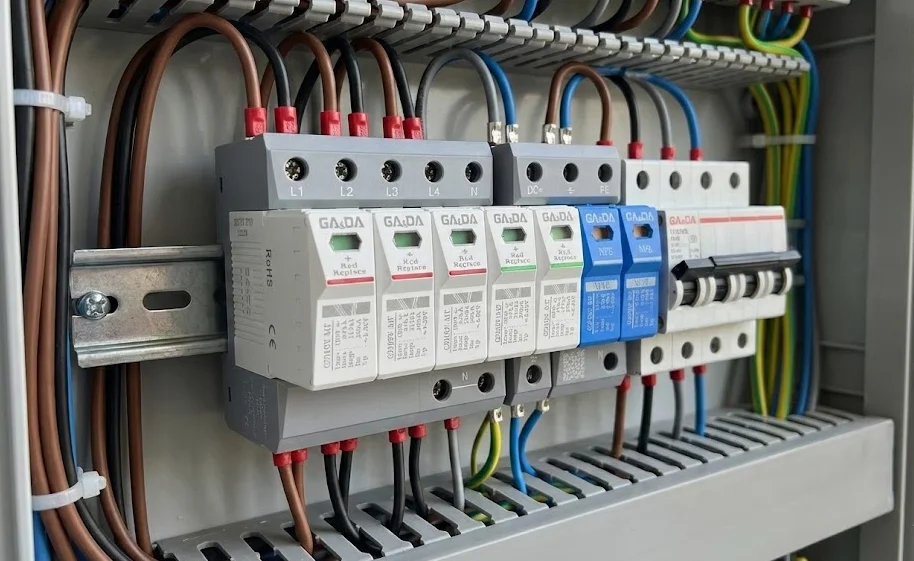
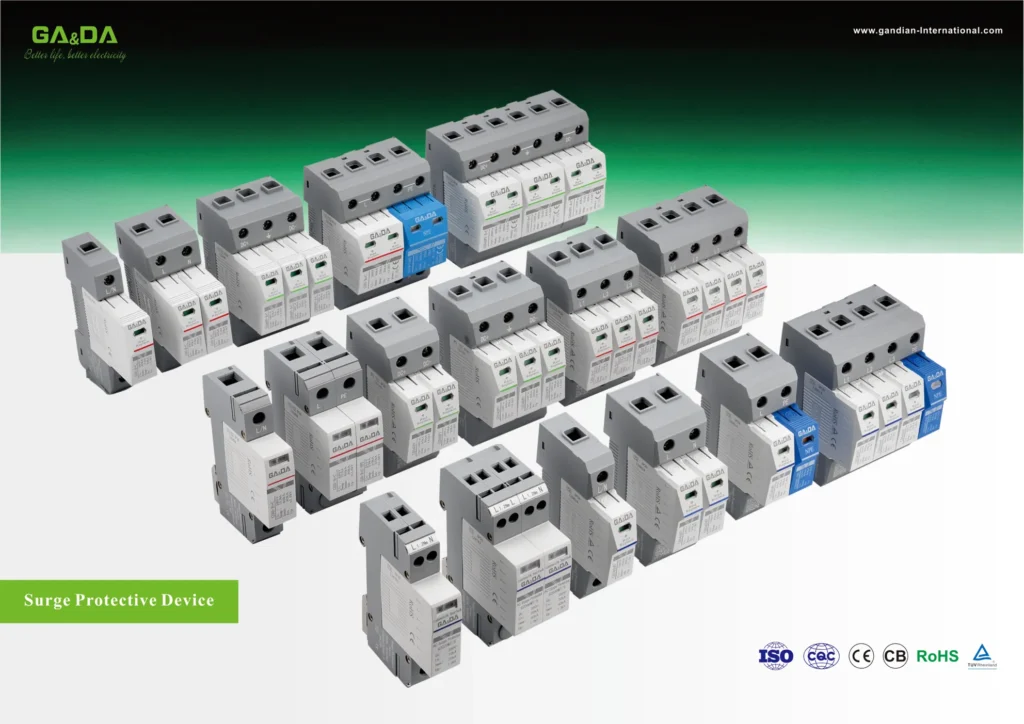
Type 2 SPDs protect the electrical distribution board inside the building. They primarily guard against switching surges generated internally by equipment like motors, HVAC systems, and elevators, as well as indirect lightning effects. These devices handle medium-energy surges, offering a secondary line of defense after a Type 1 SPD. For example, a reliable Type 2 SPD like the G2040DZ Type 2 surge protective device is built to meet IEC standards and handle common electrical disturbances efficiently.
Type 3 (Class III) SPD: Fine Protection for Sensitive Electronics
Type 3 SPDs provide localized protection near sensitive or critical electronics such as computers, security systems, or medical devices. These are usually installed at the point of use—like sockets or control panels—and deal with low-energy residual surges passing through Type 1 and Type 2 devices. Their fast response and low residual voltage ensure sensitive circuits remain safe from voltage spikes.
The Concept of Zoning: Cascaded Surge Protection
The most effective strategy for SPD electrical protection is cascading—installing Types 1, 2, and 3 SPDs in series. This zoning approach stages surge defense:
Type 1 handles the bulk of external and lightning surges.
Type 2 manages internal switching surges and secondary energy.
Type 3 protects sensitive electronics at the last mile.
This layered setup minimizes damage risk across the system, extends equipment life, and complies with standards like IEC 61643. Employing this zone-wise SPD application offers robustness, efficiency, and peace of mind in any electrical installation.
Interpreting SPD Specifications (Reading the Datasheet)
When choosing an SPD electrical device, knowing how to read its datasheet is key. Here are the main specs you’ll see and what they mean:
Specification
What It Means
Maximum Continuous Operating Voltage (MCOV) ($)
The highest voltage the SPD can handle continuously without damage. Make sure it matches your system’s normal voltage.
Nominal Discharge Current ($I_n$)
The pulse current level (in kA) the SPD can safely handle repeatedly without failure, usually at 8/20 µs waveforms.
Maximum Discharge Current ({max}$)
The peak surge current the SPD can withstand during an extreme event like a direct lightning strike. Higher values mean better robustness.
Voltage Protection Level ($U_p$)
Also called clamping voltage or residual voltage. The voltage the SPD limits the surge down to. Lower $U_p$ means better protection for your devices.
Understanding these metrics helps you select the right SPD by balancing cost, durability, and protection level. Always match specs to your grid setup and risk level.
When picking a surge protective device (SPD) from GA&DA, the first step is to assess your risk. Consider the likelihood of lightning strikes and if you have mission-critical equipment that can’t afford downtime. High-risk setups demand robust protection with higher nominal discharge currents ($I_n$) and lower voltage protection levels to keep sensitive gear safe from transient overvoltage spikes.
Next, check the grid configuration compatibility. GA&DA SPDs are designed to work with various earthing systems like TN-S, TN-C, TT, and IT, ensuring your electrical distribution board is properly safeguarded regardless of your local setup. Proper matching improves efficiency and prevents unexpected failure during surges.
The GA&DA advantage lies in durability and lightning-fast response times, meeting stringent IEC 61643 and UL 1449 standards. These certifications confirm that GA&DA SPDs perform reliably under surge conditions. With a wide range of products, such as type 2 surge protective devices tailored for industrial and commercial use, they cover almost all protection zones. For example, the G20120MT Type 2 surge protective devices offer great balance between nominal discharge current and clamping voltage, perfect for protecting your electrical distribution board from indirect lightning or switching surges.
Choosing the right GA&DA SPD means looking beyond just the specs—you want a device capable of protecting your system with optimized short-circuit current ratings ($I_{sccr}$), ensuring long-term reliability and safety.
Installation Best Practices for SPD Electrical Protection
Proper installation of Surge Protective Devices (SPDs) is crucial to ensure they perform effectively during transient overvoltage events. Here are key best practices to follow:
The ’50cm Rule’ — Keep Cables Short
To minimize inductance and improve response time, keep the wiring length between the SPD and the electrical distribution board under 50cm. Long cables add inductance, which can reduce the SPD’s ability to divert surge currents quickly, leaving your equipment vulnerable.
Parallel vs. Series Connection
SPDs are typically connected in parallel to the protected circuit, allowing surge currents to be safely diverted to ground without interrupting normal operation. Series connections are generally avoided as they can interfere with normal current flow and SPD function.
Overcurrent Protection — Use Upstream Fuses or Breakers
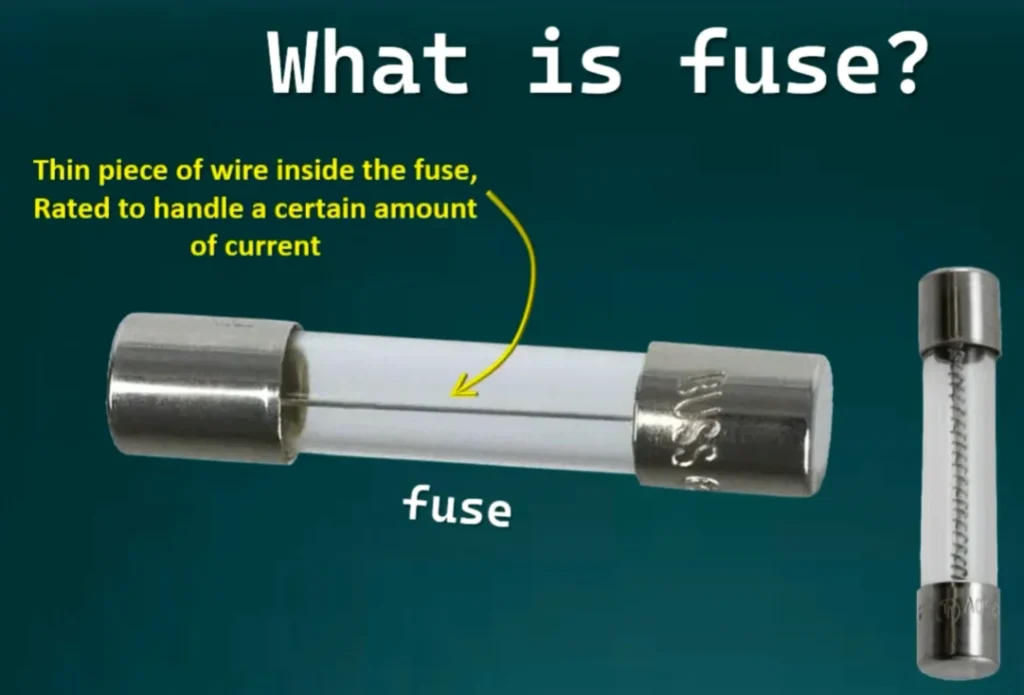
It’s essential to install proper upstream overcurrent protection devices, such as fuses or circuit breakers, to protect the SPD itself from excessive current that could cause failure. Using high-quality fuse links designed for surge protection systems will improve durability and safety — for instance, fuse types like those described in AC fuse links are ideal.
Grounding — Low-Impedance Earth Path
An effective grounding system with a low-impedance earth path is vital. This ensures the surge currents diverted by the SPD have a direct and safe route to ground, drastically reducing the risk of residual voltage damage to sensitive electronics. Proper grounding is a cornerstone of any lightning protection system.
Following these installation guidelines maximizes the SPD’s ability to handle fast voltage spikes and protects your electrical infrastructure reliably and efficiently. For professional-grade surge protectors, consider options like the Type 2 SPDs designed specifically for electrical distribution boards.
TABLE OF CONTENTS Getting surge protective device installation mistakes under control is one of the fastest ways to improve the real‑world performance of surge protection in low‑voltage systems. Many electrical failures blamed on “bad equipment” are actually the result of incorrect wiring, poor earthing, or wrong device selection rather than the surge protective devices themselves. […]
Type 2 Surge Protection Device Overview A Type 2 Surge Protection Device (SPD), also known as a Class II surge protective device or Type 2 surge arrester, is designed to provide secondary-stage protection. It is typically installed at distribution boards or sub-panels to safeguard electrical systems from transient overvoltages caused by indirect lightning strikes and […]
TABLE OF CONTENTS Understanding what is a fuse is fundamental for anyone designing, installing, or maintaining electrical and photovoltaic systems. When engineers ask “what is a fuse,” they are talking about a deliberately weak link in the circuit that sacrifices itself to protect cables, devices, and people from dangerous overcurrent. In low‑voltage panels this often […]
We use cookies to enhance your browsing experience, serve personalised ads or content, and analyse our traffic. By clicking "Accept All", you consent to our use of cookies.