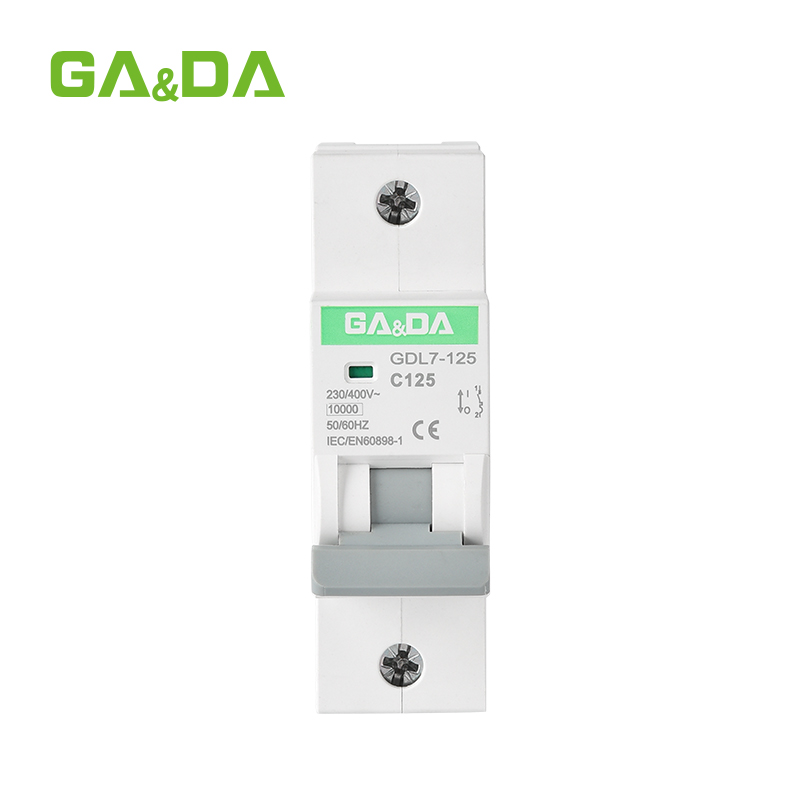
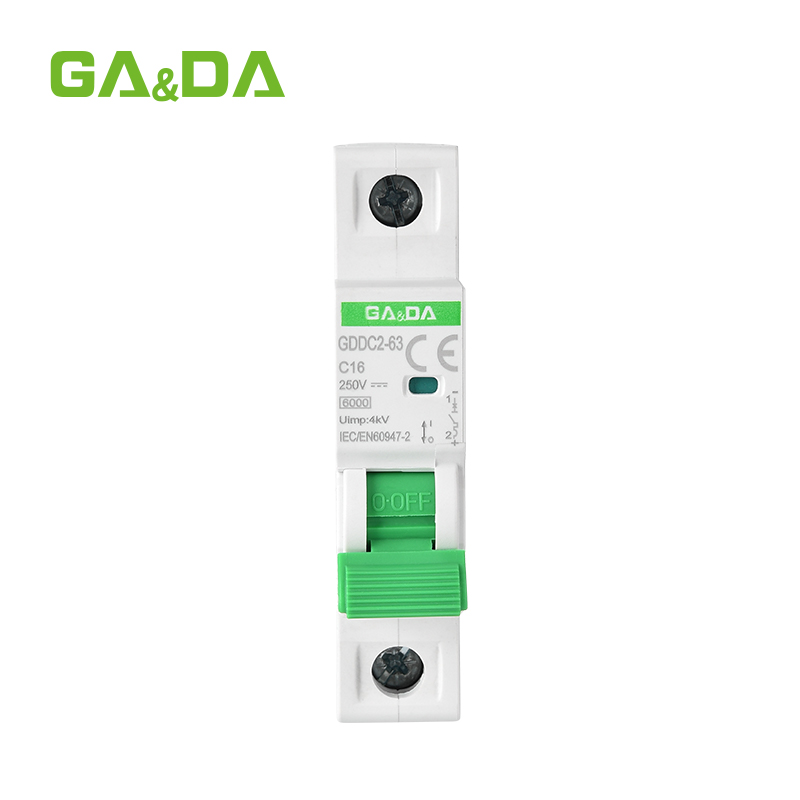
SPD
DC MCB Guide for Solar PV and EV Safety with High Voltage Protection
Discover GA&DA DC MCBs with advanced arc quenching technology for reliable solar PV battery and EV charging protection up to 1000V DC applications.
Read More
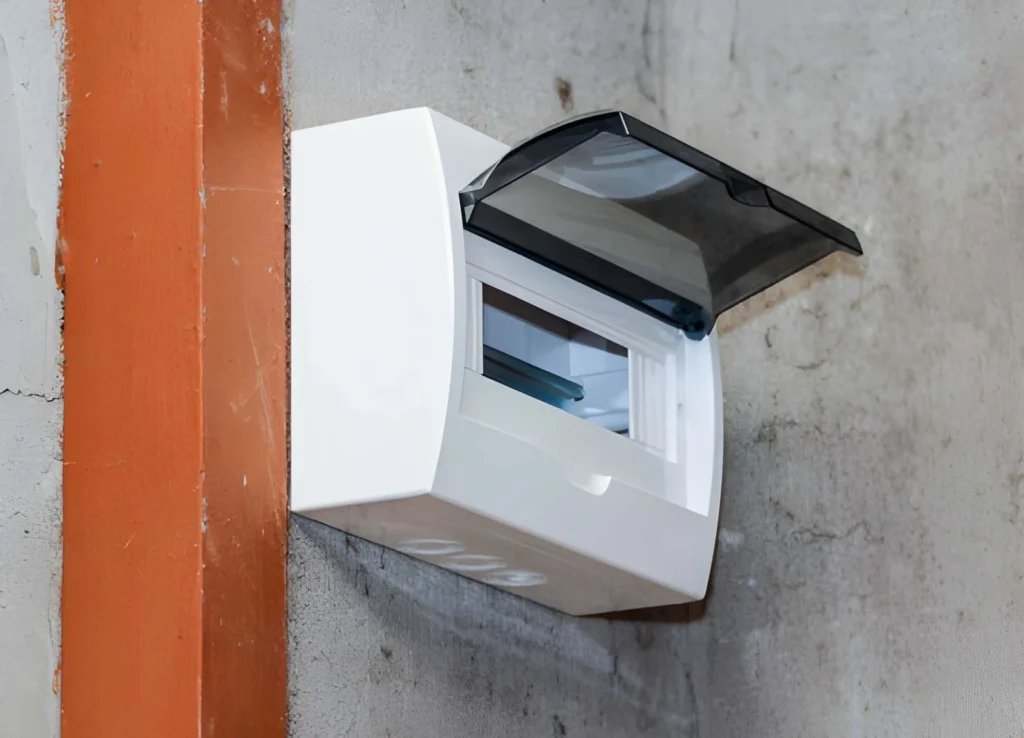
Are you trying to choose the right distribution box for your project, but unsure which specifications or features really matter? Whether you’re working on a residential installation, a commercial building, or an industrial system, the distribution box is one of the most critical components in your electrical setup.
A distribution box is not just an enclosure—it is the central hub that organizes circuits, protects equipment, and ensures stable power distribution. Choosing the wrong one can lead to overheating, poor circuit management, or even safety risks. Choosing the right one, however, makes your system safer, more efficient, and easier to maintain.
A distribution box (also known as a DB box or electrical enclosure) is used to distribute electrical power from a main source into multiple circuits while providing protection through breakers or fuses. :contentReference[oaicite:0]{index=0}
In practical terms, it acts like a control center. Electricity enters the distribution box, is divided into different circuits, and is then delivered safely to various loads such as lighting, machines, or appliances.
Inside a typical distribution box, you will find:
These components work together to ensure safe operation and prevent overload, short circuit, or fault conditions.
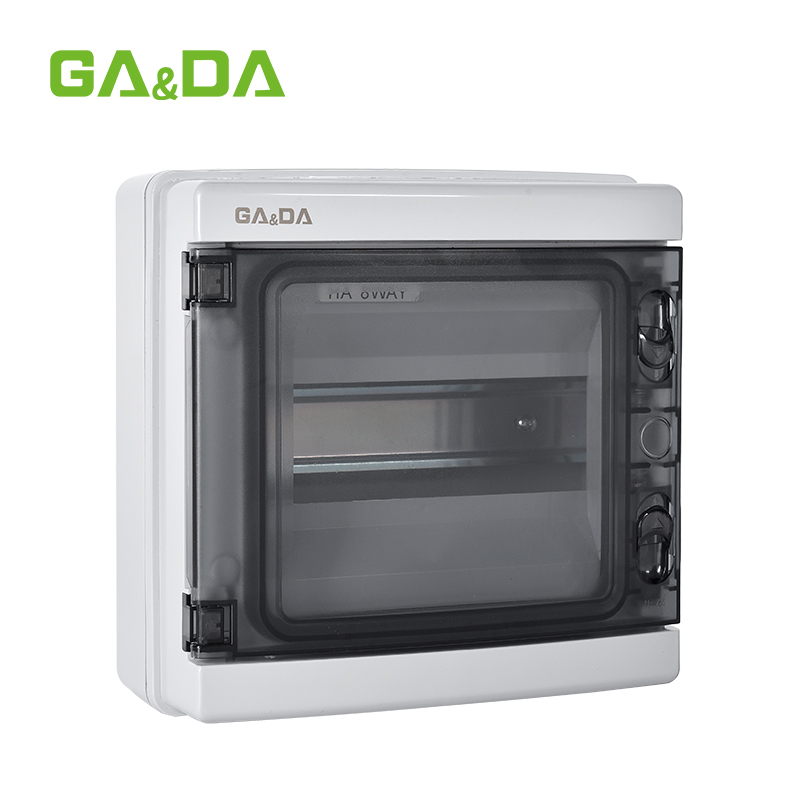
Not all distribution boxes are the same. Based on actual product configurations (like those found on your site), they are typically classified by ways (circuits), material, and application scenario.
Common in both residential and light industrial use.
According to product data, ABS enclosures provide strong insulation and impact resistance, making them suitable for circuit protection systems. :contentReference[oaicite:1]{index=1}
These are categorized by the number of circuits:
More “ways” means more circuits and better scalability.
Used in outdoor or harsh environments.
| Type | Material | Application | Key Feature |
|---|---|---|---|
| Plastic DB box | ABS | Residential / indoor | Lightweight, corrosion-resistant |
| Multi-way DB box | ABS / Metal | Commercial | Flexible circuit expansion |
| IP65 waterproof box | Plastic / Metal | Outdoor / solar | Weather protection |
When evaluating a distribution box, the features matter more than appearance. Based on real product specifications and industry standards, here are the most important factors.
A high-quality distribution box should use:
Material choice directly affects lifespan and safety. :contentReference[oaicite:2]{index=2}
IP rating defines resistance to dust and water.
| IP Rating | Use Case |
|---|---|
| IP30–IP40 | Indoor use |
| IP54 | Semi-protected environments |
| IP65 | Outdoor / harsh environments |
Choosing the correct number of circuits is critical:
A good distribution box must support:
Modern designs include:
These features reduce installation time and simplify maintenance.
A distribution box is used in almost every electrical system, but the requirements vary depending on the environment.
Modern distribution boxes are often integrated into solar and smart energy systems for efficient power management.
Choosing the right distribution box is not just about size—it’s about matching technical requirements with real-world usage.
Ask yourself:
Determine:
Look for:
👉 If you’re comparing multiple configurations or need OEM/ODM customization, it’s often more efficient to request a technical recommendation or quotation rather than guessing specifications.
Today’s distribution box is evolving beyond basic power distribution.
Some emerging trends include:
These features are especially important in industrial automation and smart building systems.
A distribution box is a fundamental component in any electrical system, responsible for organizing circuits, protecting equipment, and ensuring safe power distribution. From ABS plastic enclosures for residential use to IP65-rated industrial solutions, the right choice depends on your application, environment, and load requirements.
By focusing on material quality, circuit capacity, protection level, and installation flexibility, you can select a distribution box that not only meets your current needs but also supports future expansion. Making the right decision here will improve system reliability, reduce maintenance complexity, and enhance overall safety.
A distribution box distributes electrical power safely to multiple circuits and protects systems from overload and faults.
It depends on your circuit requirements. Always choose a box with extra capacity for future expansion.
Yes, but it must have a high IP rating (such as IP65) to resist water and dust.
ABS plastic is suitable for indoor use, while metal or reinforced materials are better for industrial or outdoor environments.
They serve similar functions, but distribution boxes are typically more compact and modular.
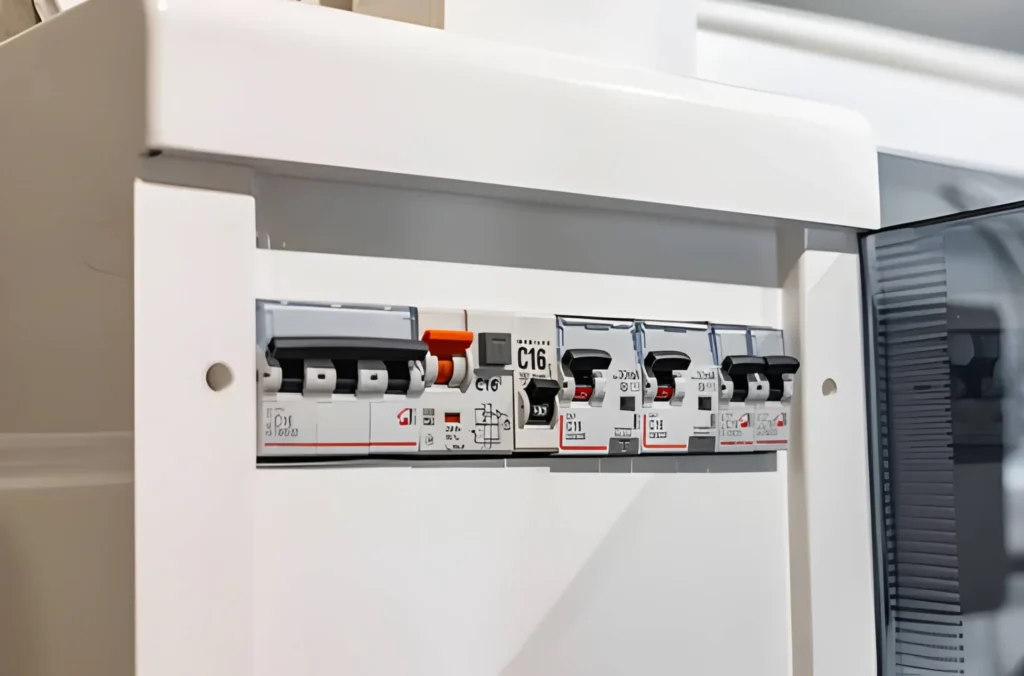
Discover GA&DA DC MCBs with advanced arc quenching technology for reliable solar PV battery and EV charging protection up to 1000V DC applications.
Read More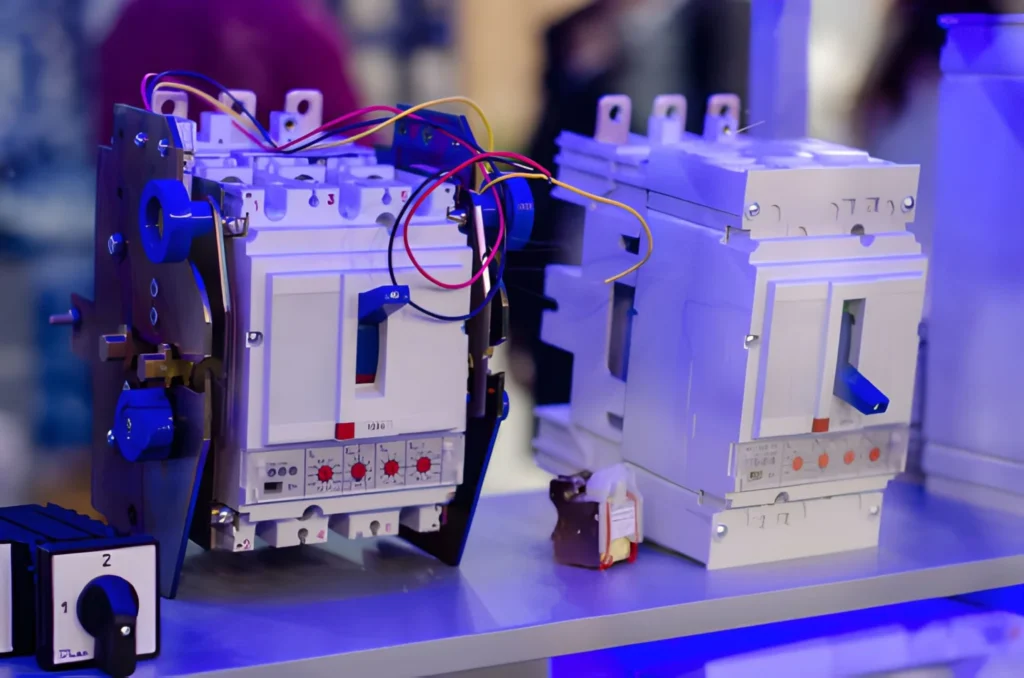
Choosing a transfer switch may seem straightforward at first, but once you start comparing options, things can quickly become confusing. Automatic or manual? What size do you need? Does voltage or phase really matter? If you choose the wrong transfer switch, the result may be poor performance, safety risks, or unnecessary costs. In this guide, […]
Read More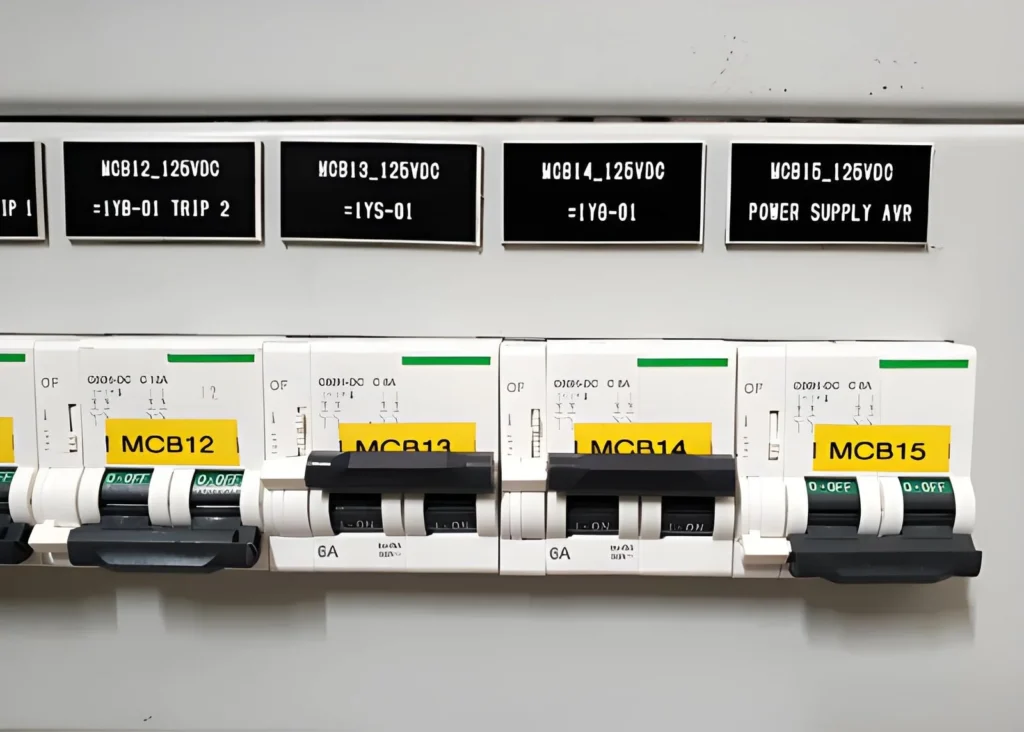
What Are Surge Protective Devices (SPD)? Ever wondered how your devices stay safe during sudden power spikes? Surge Protective Devices (SPDs), also known as surge arresters or transient voltage surge suppressors (TVSS), are essential electrical surge protection equipment designed to shield your home, office, or industrial system from damaging voltage surges. An SPD is a […]
Read More