Difference Between Fuse and Circuit Breaker Explained for Safety
Uncategorized
Reading time:
9 minutes
Share:
Share on Twitter
Share on Facebook
Share on LinkedIn
Table of Contents
The Fundamental Mechanism: How They Work – The Fuse (The Sacrificial Guardian)
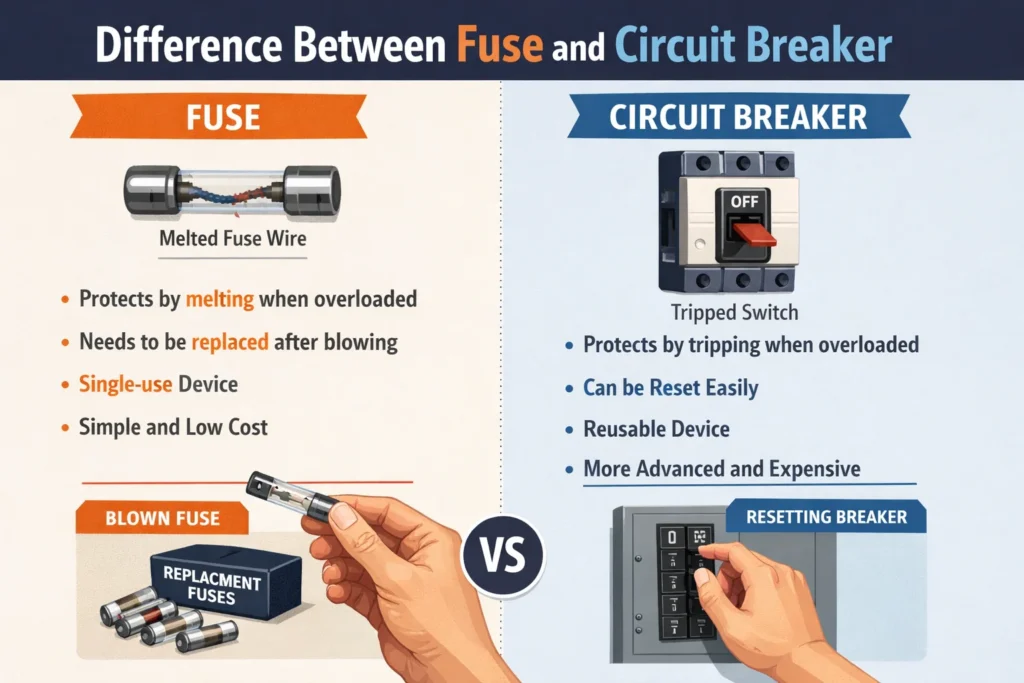
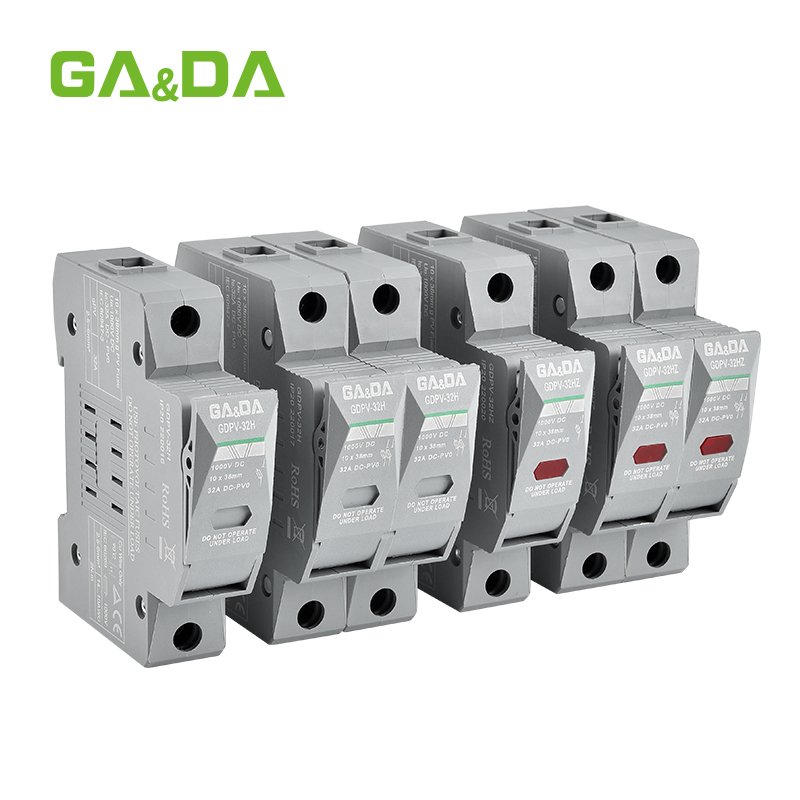
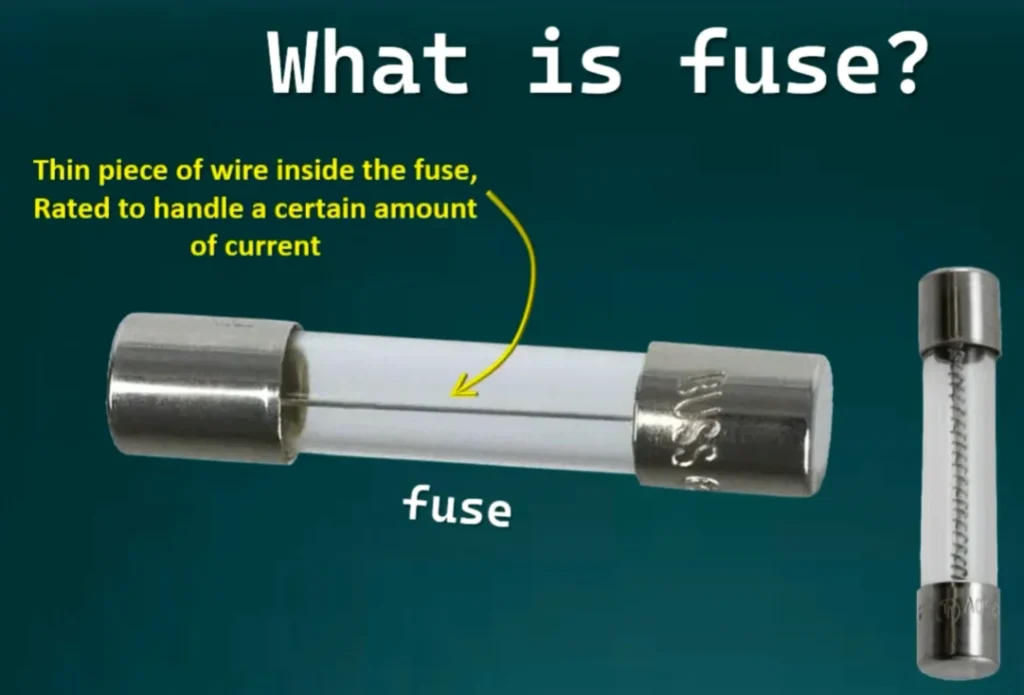
A fuse is a simple but crucial component for overcurrent protection in electrical systems. It acts as a sacrificial device designed to protect wiring and appliances from damage due to circuit overload or short circuits. Inside a fuse, a thin fuse wire is calibrated to melt at a specific current level, known as its melting point. When the electrical load exceeds this limit, the wire melts, breaking the circuit and stopping the flow of electricity instantly.
This melting process interrupts the electrical path, preventing overheating and potential fires. Because the fuse wire physically burns out, it cannot be reused and must be replaced after each event. Its fast response time and straightforward design make it a dependable form of thermal protection in many residential and industrial settings.
In , the fuse works as a one-time gatekeeper that sacrifices itself to safeguard the entire electrical system from damage caused by excessive current.
The Fundamental Mechanism: How They Work..The Circuit Breaker (The Resettable Switch)
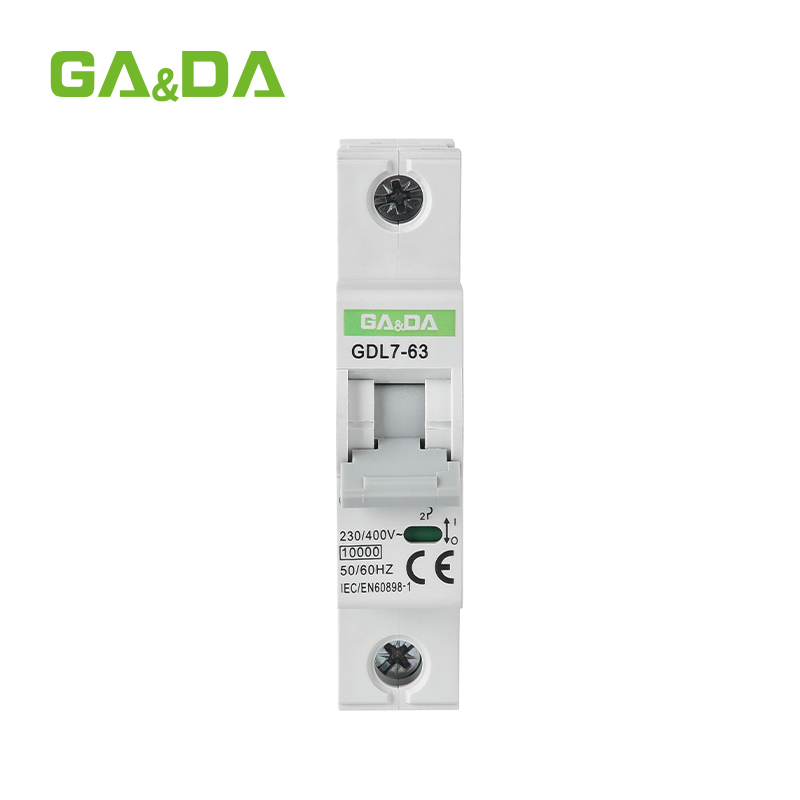
A circuit breaker acts as a resettable switch designed to protect electrical systems from overcurrent and short circuits. Unlike a fuse that sacrifices its fuse wire to break the circuit, the circuit breaker uses an internal tripping mechanism triggered by electromagnetism or thermal protection. When the electrical load capacity is exceeded or a circuit overload occurs, this tripping mechanism instantly disconnects the current flow, preventing damage.
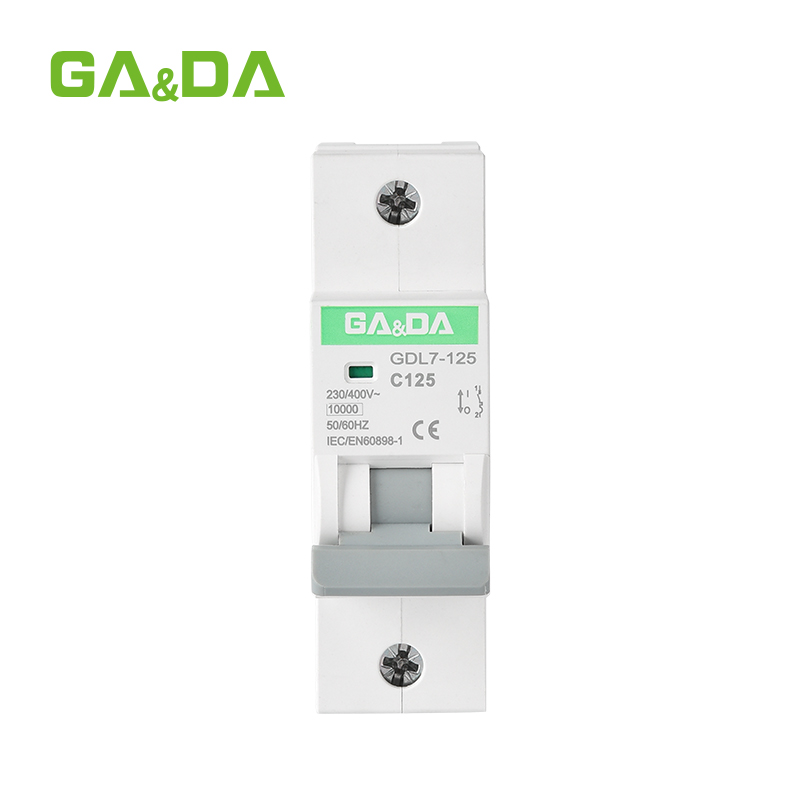
What makes circuit breakers stand out is their ability to be easily reset after tripping, without needing replacement parts. You simply switch it back on once the fault is cleared, making them ideal for convenient maintenance. This resettable nature also means circuit breakers are well suited for electrical panel boxes where repeated overcurrent protection is necessary.
If you are considering circuit breakers for enhanced safety and reliability, options such as the GDT 12-Way Plastic Distribution Box provide an excellent integration point, offering robust protection alongside circuit breaker systems in residential wiring safety setups.
Critical Differences: A Deep Dive..Reusability and Maintenance
When comparing a fuse and a circuit breaker, reusability and maintenance stand out as major differences in their design and operation.
Feature
Fuse
Circuit Breaker
Reusability
Single-use (sacrificial device)
Resettable switch (multiple uses)
Maintenance
Must be replaced after blowing
Requires occasional testing and servicing
Replacement Cost
Low per unit, requires more frequent purchase
Higher upfront, but lower long-term replacement cost
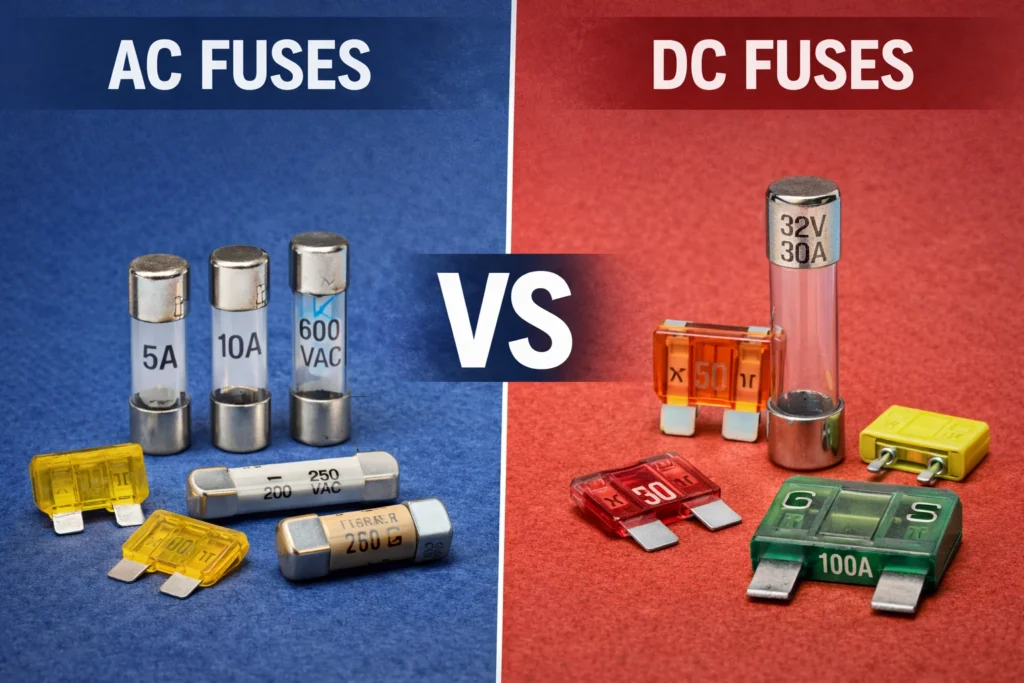
Fuses rely on a thin fuse wire that melts when current exceeds a specific limit, disrupting the circuit immediately. Once this happens, the fuse must be replaced. This one-time use characteristic means you need to stock spare fuses and perform regular checks to ensure they haven’t failed due to minor surges or wear.
On the other hand, circuit breakers use an internal tripping mechanism, often based on electromagnetism or thermal protection. When triggered by an overcurrent or short circuit, they simply trip off but can be reset without physical replacement. This resettable switch feature makes maintenance easier and faster, reducing downtime in electrical panel boxes.
For continual protection in environments where circuit overloads or short circuits may be frequent, circuit breakers offer a clear advantage in ease of maintenance and operational convenience.
If you want electrical protection solutions that include surge protection along with circuit breakers, check out reliable options like the G20POE power network integrated surge protector for comprehensive safety.
Critical Differences: Response Speed and Sensitivity
When it comes to overcurrent protection, the response speed and sensitivity between a fuse and a circuit breaker vary significantly.
Feature
Fuse
Circuit Breaker
Response Speed
Instantaneous; the fuse wire melts quickly due to reaching its melting point, cutting off power almost immediately during a short circuit.
Slight delay; relies on an electromagnet or thermal tripping mechanism to trigger, which can take a fraction longer than a fuse.
Sensitivity
Highly sensitive to sudden current spikes, making them very effective for short circuit protection.
Adjustable sensitivity; modern breakers can be set to trip at specific overload levels, offering more precise control.
Overload Handling
Not tolerant of overloads; will blow to protect electrical load capacity.
Can handle temporary overloads better due to its resettable nature and tripping delay.
Fuses act as a sacrificial device, breaking the circuit instantly to protect wiring from damage. Circuit breakers use thermal or magnetic tripping mechanisms that respond quickly but sometimes with a slight delay, which can help prevent nuisance trips during minor overloads.
This balance between immediate reaction and adjustable sensitivity means circuit breakers are often preferred in residential wiring safety, where conditions vary.
For more on devices involved in electrical panel box setups and protection specifics, you can explore reliable surge protective devices like the Type 12 PV Surge Protective Devices.
Breaking capacity, or interrupting rating, is one of the key differences between a fuse and a circuit breaker. It refers to the maximum current the device can safely interrupt without damage or failure during a short circuit or overcurrent event.
Feature
Fuse
Circuit Breaker
Interrupting Rating
Limited by fuse wire melting point
Much higher, designed for large faults
Handling Capacity
Usually lower; must be replaced after blowing
Designed to withstand high fault currents repeatedly
Safety Margin
Less forgiving; risk if overrated
Built-in safety features prevent catastrophic failure
Fuses rely on a thin fuse wire that melts when current exceeds a specific value, breaking the circuit—this limits their interrupting rating to the wire’s melting capacity. Circuit breakers, using an electromagnet or thermal trip mechanism, can handle much higher fault currents and safely interrupt them repeatedly without replacement. This makes breakers more suitable for residential wiring safety, especially where high electrical load capacity is expected.
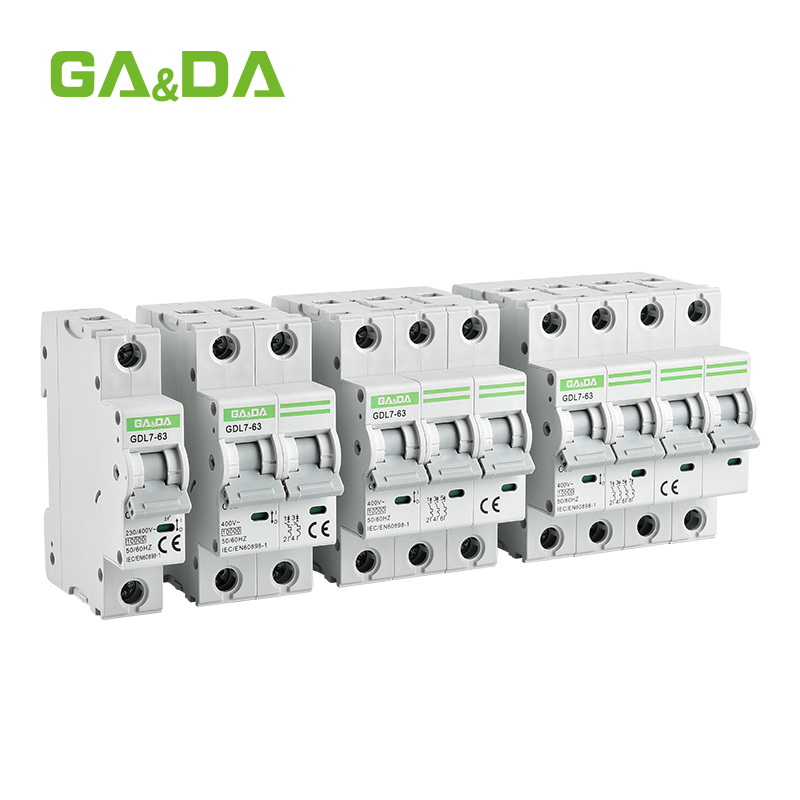
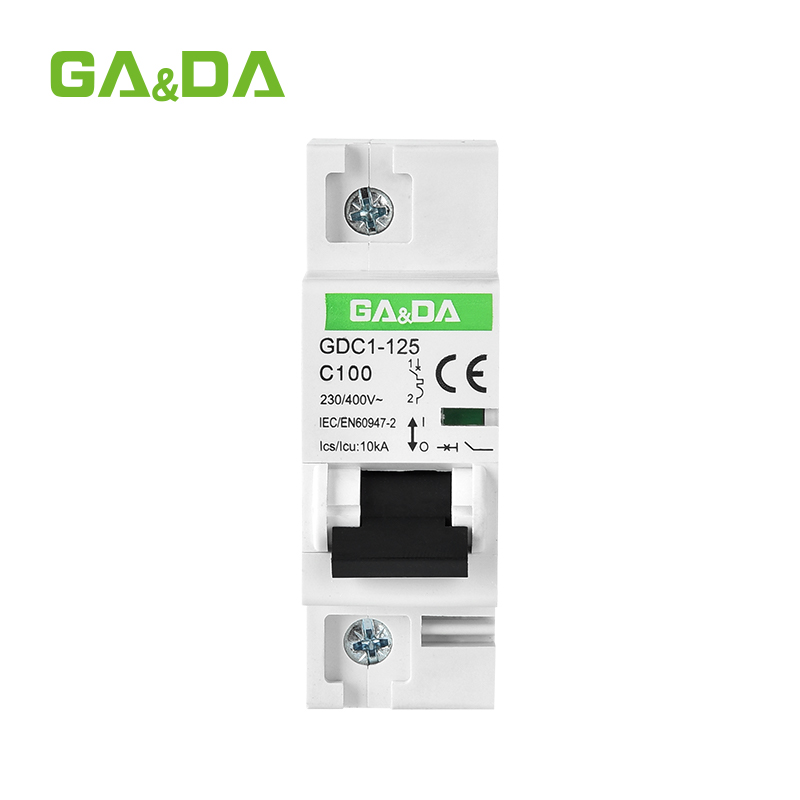
If you’re looking for reliable circuit breakers with strong interrupting ratings, miniature circuit breakers designed for various electrical panels offer adjustable protection tailored to your needs.
Understanding the breaking capacity helps select the right overcurrent protection device to prevent damage, keeping your electrical system safe under extreme conditions.
Critical Differences: A Deep Dive..Protection Mode
When it comes to protection mode, the difference between a fuse and a circuit breaker stands out clearly:
Feature
Fuse
Circuit Breaker
Protection Mode
Sacrificial device: melts the fuse wire when overloaded or during a short circuit, breaking the circuit permanently.
Resettable switch: trips via an internal tripping mechanism (thermal or electromagnetic) to interrupt current and can be reset without replacement.
Operation
Fast reaction by melting at a specific melting point to stop overcurrent protection immediately.
Activation depends on thermal expansion or electromagnetism to trip, providing protection but allowing reuse.
Overcurrent & Short Circuit
Provides reliable overcurrent and short circuit protection but needs fuse wire replacement after activation.
Excellent for both overcurrent and short circuit protection, with easy reset and reusability.
Maintenance
Requires fuse replacement after each fault event.
Requires tripping reset; maintenance is simpler and faster with no parts replacement needed.
Circuit breakers offer flexible protection modes fit for electrical panels with larger electrical load capacity, especially in residential wiring safety and industrial settings. Fuses, on the other hand, are best for simpler, low-cost setups where replacing the sacrificial fuse wire is manageable.
For ensuring top-level surge protection integrated into circuit breakers or fuse panels, you might explore options like the Type 12 surge protective devices compatible with modern electrical panels.
Understanding the protection mode difference helps pick the right device for overcurrent protection and circuit overload situations, balancing cost, response time, and ease of handling.
Cost Analysis: Upfront vs. Long-Term
When comparing a fuse and a circuit breaker, cost is a key factor that often drives the choice. Fuses generally have a lower upfront cost because they are simple, sacrificial devices. You buy the fuse wire, install it, and it does its job until it melts under overcurrent protection conditions. In contrast, circuit breakers—with their resettable switch and more advanced tripping mechanisms—come with a higher initial price, reflecting their complexity and durability.
However, looking beyond upfront cost, circuit breakers offer significant long-term savings. Since they can be reset after a fault rather than replaced, maintenance costs and downtime reduce substantially. This reusability also means fewer replacements, which is crucial in setups with high electrical load capacity or frequent short circuit protection needs. Fuses, once blown, must be exchanged, adding both recurring expense and labor.
In addition, circuit breakers often boast a higher interrupting rating or breaking capacity, handling larger short circuits safely and avoiding costly damages. This efficiency plays into overall system safety and longevity, particularly in electrical panel box environments where quick restoration is important.
So, the takeaway is simple: fuses are budget-friendly upfront but tend to be pricier over time due to replacements. Circuit breakers require a bigger initial investment but save money with their resettable functionality, lower maintenance, and enhanced protection. For anyone weighing overcurrent protection options, considering total cost of ownership alongside application needs is essential.
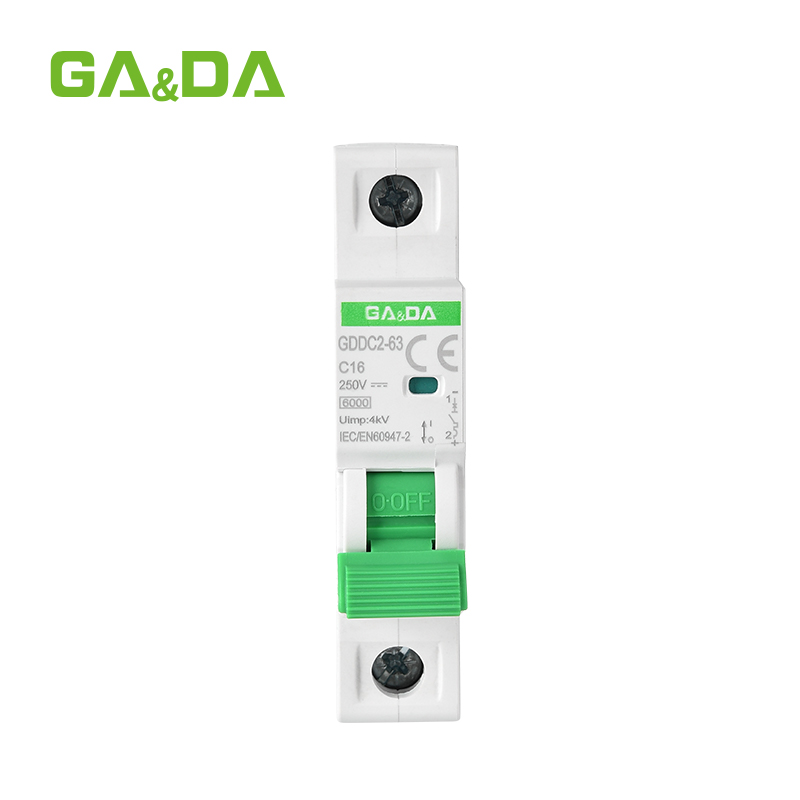
For those interested in solar or EV setups requiring specialized protection devices, resources like this detailed DC MCB guide for solar PV and EV safety offer great insights on high-voltage protection considerations that affect cost choices.
Application Scenarios: When to Use Which?
Choosing between a fuse and a circuit breaker depends largely on the specific electrical setup and protection needs.
Fuses are ideal for simple, low-cost overcurrent protection in smaller appliances or older residential wiring systems. They work well where a quick, precise response to overload or short circuit is needed, but replacement after each trip is acceptable. Because fuses are sacrificial devices with a fuse wire that melts at a specific melting point, they’re a solid choice for protecting sensitive electronics from sudden current spikes.
On the other hand, circuit breakers shine in modern electrical panel boxes, especially in commercial buildings and homes with complex electrical loads. Their resettable switch design makes maintenance easier and more efficient, supporting repeated tripping without replacement. Circuit breakers also offer better thermal protection and often have an electromagnetism-based tripping mechanism for fast response during short circuits.
For high-capacity installations or where frequent overloads might occur, the circuit breaker’s higher interrupting rating and reusability make it the preferred option. Meanwhile, fuses might be chosen for simpler or budget-conscious projects where replacing a blown fuse is manageable.
In certain advanced setups, combining surge protective devices—like the ones found in specialized Type 1 surge protective devices or Type 2 surge protective devices—alongside either fuses or circuit breakers can enhance overall electrical load capacity and reliability.
In :
Use fuses for straightforward, sacrificial overcurrent protection in simple or sensitive circuits.
Use circuit breakers for more complex, high-load environments requiring easy resetting and long-term reliability.
Understanding the right fit helps maintain residential wiring safety and effective short circuit protection tailored to your electrical needs.
Safety Implications and Handling
When it comes to overcurrent protection, safety is the top priority for both fuses and circuit breakers. Fuses are sacrificial devices — once a fuse wire melts due to excessive current, it must be replaced. This means handling involves carefully removing a blown fuse and installing a new one, which can expose you to live parts if not done properly. Because fuses operate quickly by melting at a specific melting point, they provide reliable short circuit protection but come with the risk of physical handling each time they trip.
Circuit breakers, on the other hand, act as a resettable switch with a built-in tripping mechanism activated by electromagnetism or thermal protection. This eliminates the need to touch internal parts during reset, reducing exposure to electrical hazards and making maintenance safer. Their response time is fast enough to protect against circuit overloads, and their interrupting rating ensures safe disconnection under high fault currents.
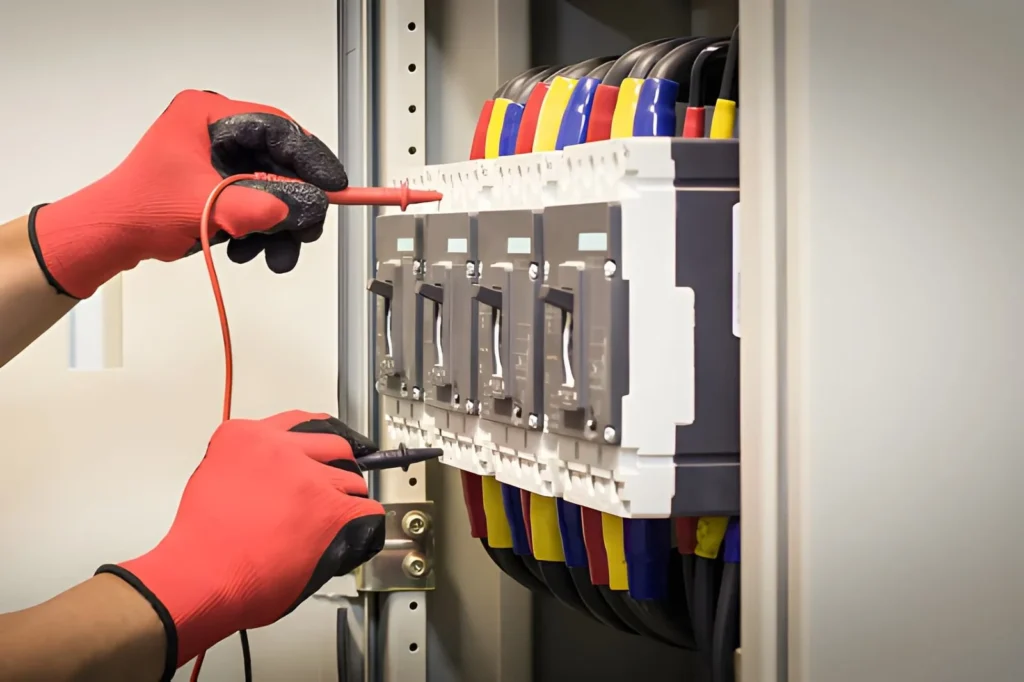
For residential wiring safety, circuit breakers are often preferred due to their ease of handling and ability to be reset without replacing parts. However, proper installation and periodic inspection are essential to maintain their effectiveness. Always ensure power is off before performing any maintenance on either device, and only qualified personnel should handle electrical panel box components.
For reliable protection solutions tailored to your needs, consider products like molded case breakers or fuse links with certified interrupting ratings. Options like the Molded Case Circuit Breaker 3P 4P and AC Fuse Link NT00 offer tested safety and user-friendly handling for various electrical load capacities.
Whole House Surge Protection Device: Reliable Home Surge Protection Protect your entire home with the GANDIAN Whole House Surge Protection Device, engineered for comprehensive electrical surge protection. This whole house surge protector shields your home from damaging voltage spikes caused by lightning, power outages, or electrical switching. Designed as a main panel surge protector, it […]
TABLE OF CONTENTS Understanding what is a fuse is fundamental for anyone designing, installing, or maintaining electrical and photovoltaic systems. When engineers ask “what is a fuse,” they are talking about a deliberately weak link in the circuit that sacrifices itself to protect cables, devices, and people from dangerous overcurrent. In low‑voltage panels this often […]
We use cookies to enhance your browsing experience, serve personalised ads or content, and analyse our traffic. By clicking "Accept All", you consent to our use of cookies.