Mastering DC Circuit Protection: Why the DC MCB is Non-Negotiable
Introduction: The Shift to Direct Current
In today’s world, direct current (DC) is booming. Solar PV systems, electric vehicles (EVs), and data centers are increasingly relying on DC power, making reliable DC circuit protection essential. Unlike traditional alternating current (AC) setups, these applications demand specialized devices to ensure safety and efficiency.
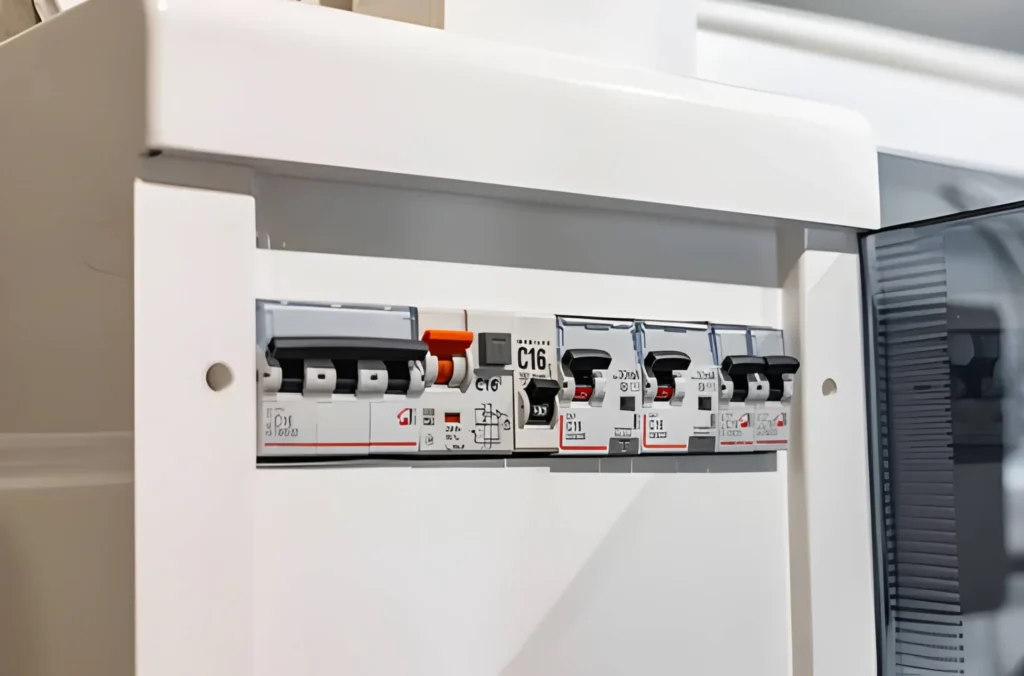
So, what exactly is a DC MCB? A DC Miniature Circuit Breaker (MCB) is designed to protect circuits from overloads and short circuits in DC environments. It instantly interrupts fault currents, preventing damage to equipment and hazards like fires or electrical shocks.
Here’s a critical point: using standard AC breakers in DC circuits is risky and often dangerous. Unlike AC, DC lacks a natural zero-crossing point, making the arc extinction process more challenging. AC breakers can fail to safely interrupt DC arcs, putting your system and property at serious risk.
Key takeaway: For solar PV circuit protection, EV charging infrastructure, and battery bank isolation, a purpose-built DC MCB is non-negotiable for reliable, safe operation.
The Heart of the Issue: AC vs. DC Arc Extinction
One of the biggest challenges in DC circuit protection lies in how arcs behave differently compared to AC systems. In AC circuits, the current alternates and crosses zero volts 100 or 120 times per second (depending on frequency). This zero-crossing phenomenon naturally helps extinguish arcs quickly when a breaker trips, making arc interruption easier and safer.
In contrast, DC current flows steadily in one direction without crossing zero. This means that DC arcs are hotter and harder to break because the electrical arc doesn’t get a chance to extinguish naturally. As a result, DC arcs can sustain longer, generating more heat and posing a higher fire and equipment damage risk if not controlled properly.
This is where specialized DC MCBs (Miniature Circuit Breakers) come into play. They use advanced technologies like arc chutes and magnetic blowouts to tackle these hotter, persistent arcs. The arc chute physically cools and stretches the arc within a series of insulated plates, breaking it down into smaller parts, while the magnetic blowout uses the magnetic field generated by the fault current to pull the arc away, helping to extinguish it quickly. Together, these features ensure reliable interruption of high-voltage DC circuits, such as those found in solar PV systems and EV charging stations.
Proper arc quenching and reliable DC breaking capacity are critical for safe, long-lasting protection in DC applications. This is why a DC-specific breaker is essential and why using standard AC breakers in DC circuits can be extremely dangerous.
Anatomy of a High-Quality DC MCB
A top-notch DC MCB is designed to handle the unique challenges of direct current circuits, especially in demanding settings like solar PV systems and EV charging stations. Here’s what makes a quality DC MCB stand out:
Thermal protection via bimetallic strips: This element detects overload conditions by bending when heated, triggering a slow trip to protect the circuit from prolonged overheating. It’s essential for reliable overload protection in DC applications.
Magnetic protection for instantaneous tripping: To handle sudden short circuits, the magnetic trip activates instantly, cutting off current fast enough to prevent damage or fires. This rapid response is critical given the higher energy DC systems can unleash.
Arc chute design for high-voltage DC (up to 1000V): Unlike AC, DC does not have a natural zero-crossing point, making arc extinction tougher. A well-engineered arc chute combined with magnetic blowouts helps cool and stretch the arc, safely interrupting currents at voltages up to 1000V DC—common in photovoltaic system safety.
Current limiting class and energy let-through: High-quality DC breakers limit the let-through energy during faults, reducing stress on downstream equipment. This ensures better protection for battery banks and sensitive components in Battery Energy Storage Systems (BESS).
If you’re working with DIN rail DC breakers or need reliable protection certified to IEC standards, focusing on these core features is critical. For more on choosing the right breaker with adequate voltage and breaking capacity, check out this detailed fuse breaking capacity and voltage ratings guide.
Critical Applications for DC MCBs
DC MCBs play a vital role in protecting several key electrical systems where direct current is the backbone. In solar PV system protection, especially on strings and within combiner boxes, a reliable DC MCB ensures safe isolation and interrupts fault currents to prevent damage or fire. These breakers handle the unique demands of photovoltaic system safety, where voltage can reach up to 1000V DC.
In Battery Energy Storage Systems (BESS), high discharge currents require DC MCBs that can respond instantly to overloads and short circuits, safeguarding expensive battery banks from catastrophic failure. For EV charging infrastructure protection, DC MCBs prevent dangerous arc faults during rapid charging, contributing to safer electric vehicle use.
Additionally, in marine and RV independent power systems, where off-grid power setups depend heavily on DC supply lines, DC MCBs ensure reliable circuit protection under harsh conditions such as humidity and vibration. Choosing the right DC MCB for these applications means matching high DC breaking capacity with the right current and voltage ratings to guarantee performance and safety.
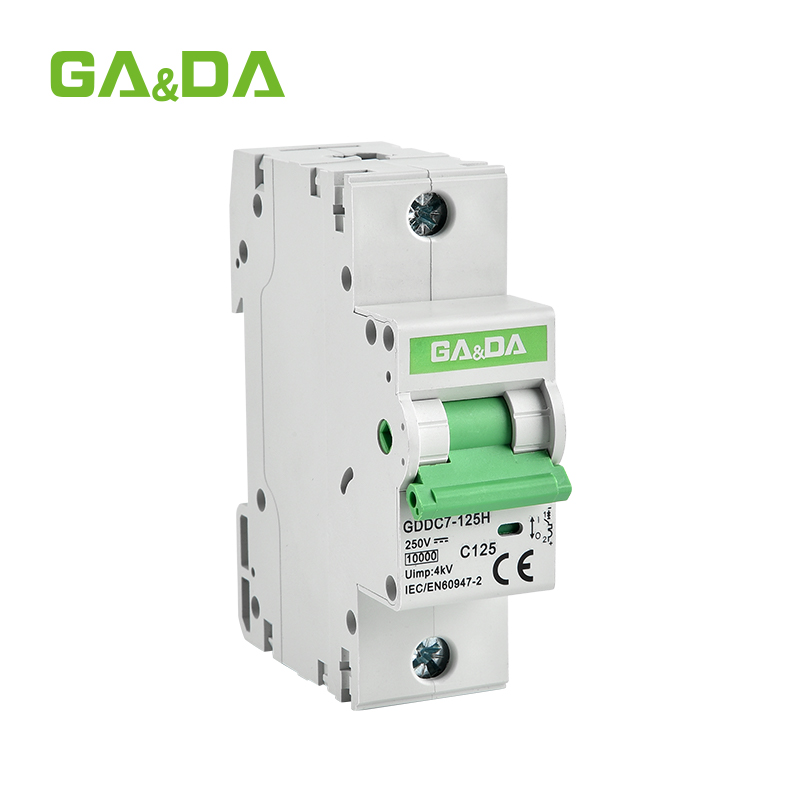
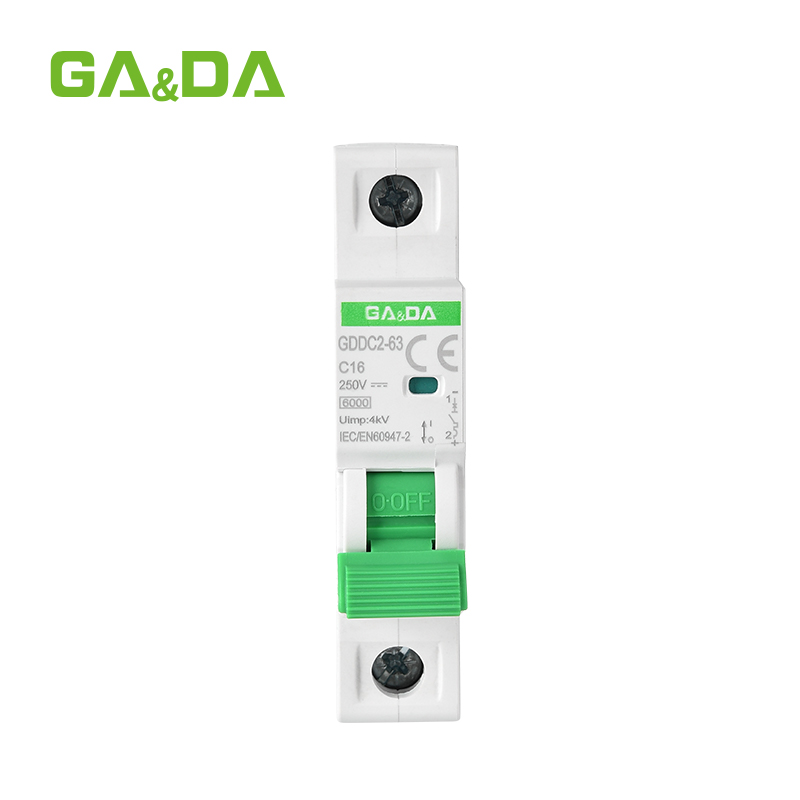
For reliable products suited to these critical needs, explore the advanced features of the GDDC7 DC miniature circuit breakers designed specifically for solar, battery storage, and EV systems.
Sizing and Selection Guide: Getting it Right
Choosing the right DC MCB means matching it perfectly to your system’s specifics. First, voltage rating is critical—it must meet or exceed your system voltage, especially in high-voltage setups like solar PV or battery banks, where 1000V DC breakers are common. Using a lower-rated breaker risks failure and serious hazards.
Next, consider the current rating. Select a breaker with a current rating above your system’s normal operating current, adding a safety margin to avoid nuisance trips yet ensure protection during overloads. For instance, in EV charging or Battery Energy Storage Systems, accounting for surge currents is vital.
Breaking capacity is another key factor. Your DC MCB should be rated for the maximum possible short circuit current (kA) expected in your setup. This ensures the breaker can safely interrupt faults without damage. Always pick breakers tested to handle these extremes, complying with IEC standards.
Lastly, trip curves—often labeled B, C, K, or Z—define how quickly a breaker responds to faults:
B curve: for residential and light commercial loads
C curve: common in solar PV and industrial equipment where inrush currents occur
K curve: suited for motor loads with higher startup currents
Z curve: for ultra-sensitive electronics requiring precise protection
Choosing the right trip curve prevents unwanted trips and maximizes system reliability.
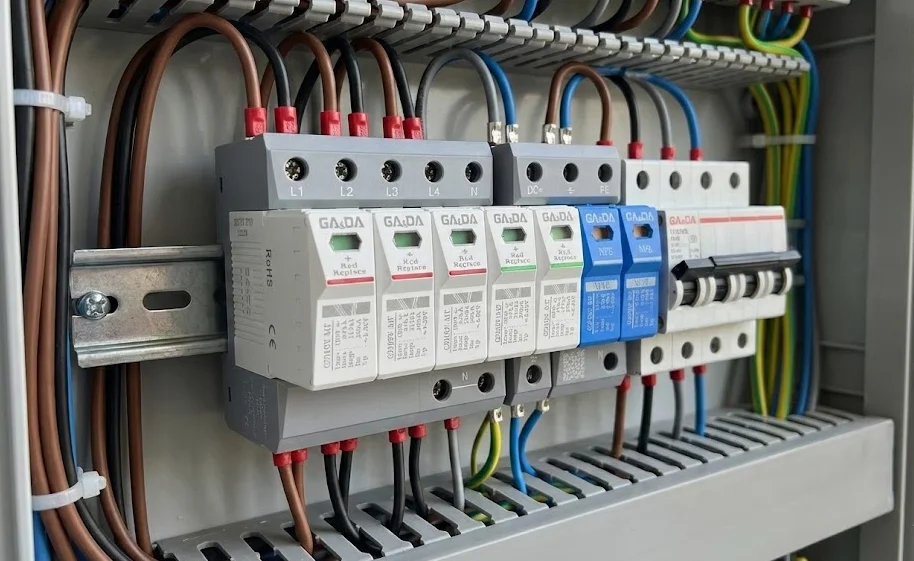
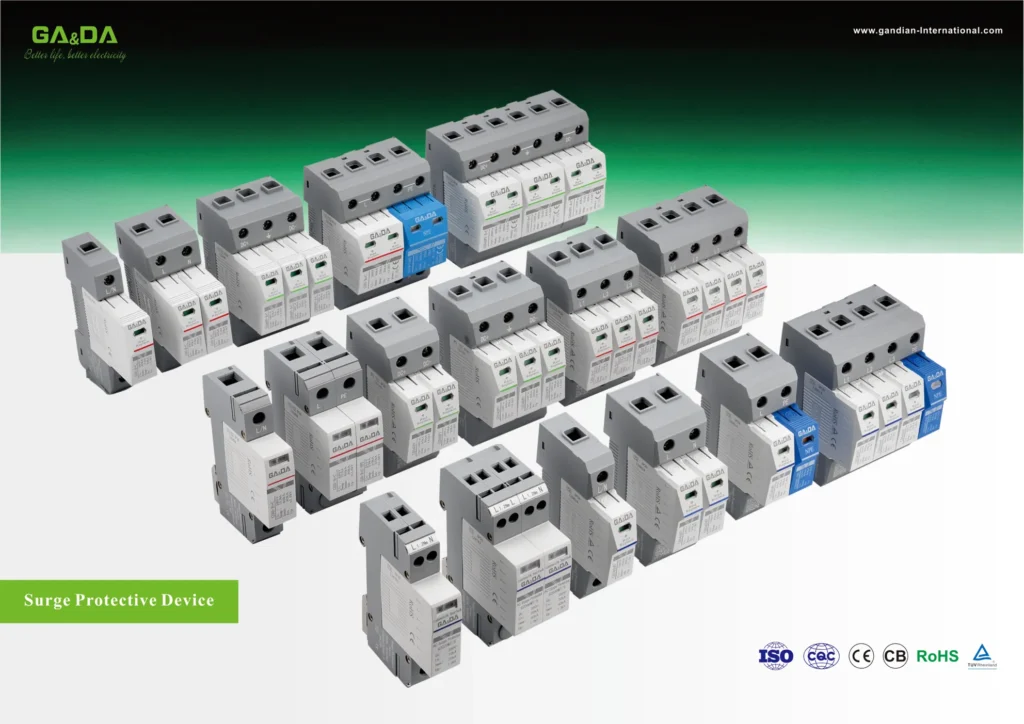
For detailed circuit protection setups, pairing your DC MCB with quality surge protective devices, like those found in the Type 2 Surge Protective Devices range, can enhance safety and longevity.
Installation & Wiring: The Polarity Trap
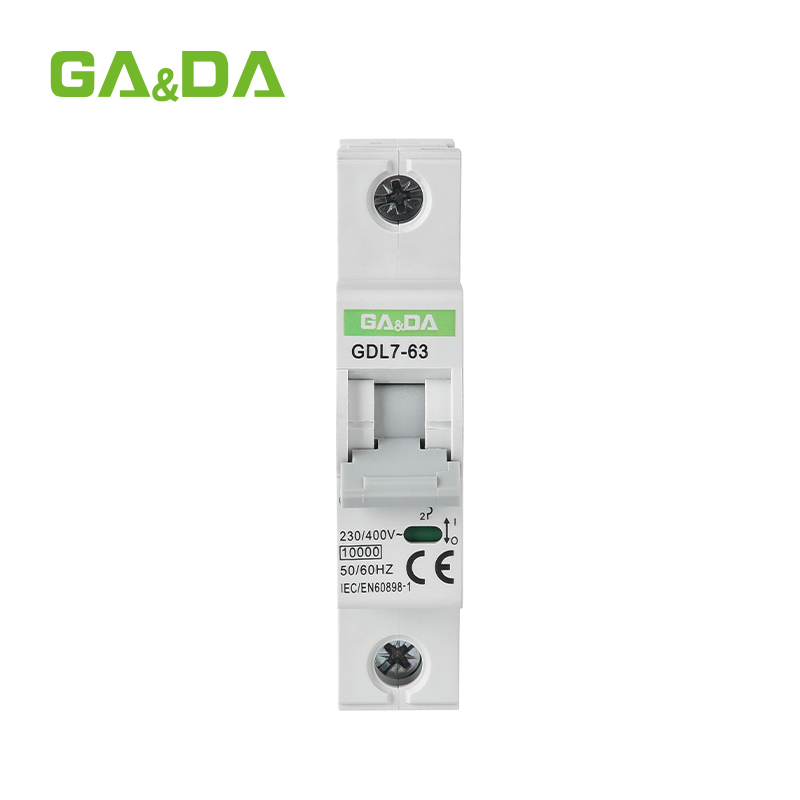
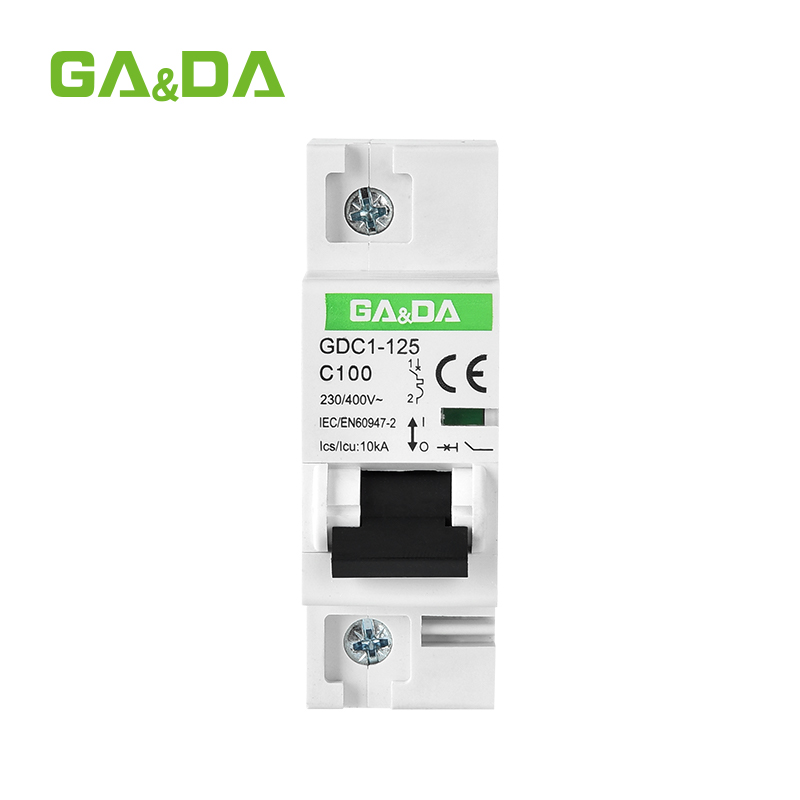
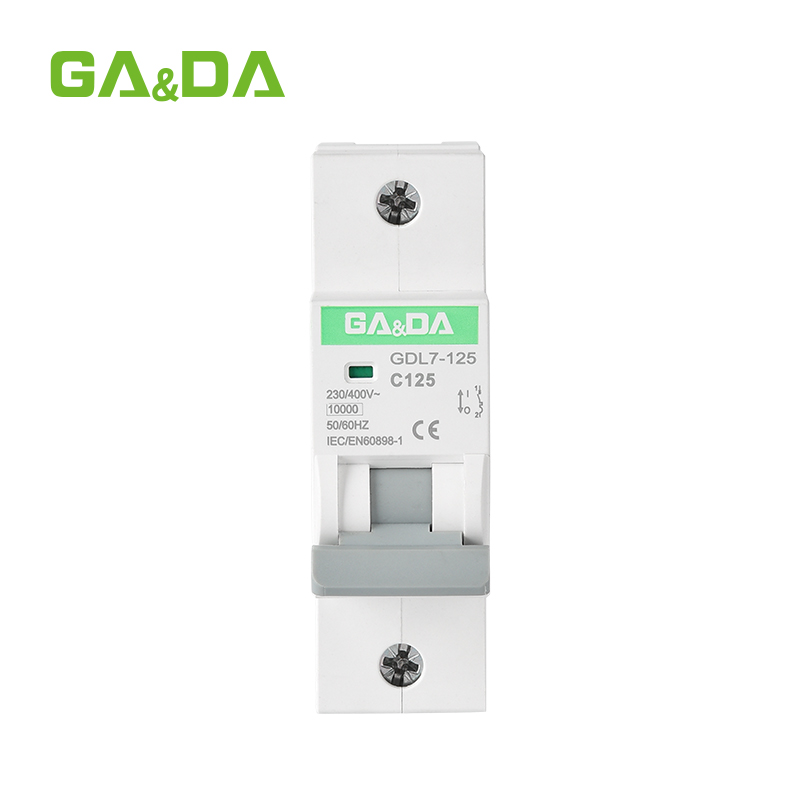
When installing a DC MCB, understanding polarity is crucial. Unlike some AC breakers, many DC MCBs, including GA&DA models, are polarized—meaning they must be connected correctly to positive (+) and negative (–) lines to function safely.
Polarized vs Non-Polarized DC MCBs
Feature
Polarized Breakers
Non-Polarized Breakers
Polarity-sensitive
Yes
No
Wiring flexibility
Must match + and –
Can be wired either way
Safety risks
High if reversed
Lower risk if reversed
Common use
Solar PV, Battery bank systems
Low-voltage or simple loads
Risks of Backwards Polarity Wiring
Fire hazards from uncontrolled arcs
Poor breaker tripping, leading to equipment damage
Inability to fully isolate circuits, risking electric shock
Most GA&DA DC breakers clearly show polarity markings (+ / –) on their casing—always double-check these during installation.
Multi-Pole Configurations
For higher DC voltages or multiple circuits, GA&DA offers breakers in:
Poles
Use Case
1P
Single-pole, up to 1000V DC
2P
Bipolar, isolates both poles simultaneously
4P
Multi-pole systems, larger setups
Multi-pole breakers ensure simultaneous disconnection, important in complex systems like large battery banks or solar combiner boxes.
For safe and reliable system protection, choose the right GA&DA DC MCB with correct polarity and pole configuration tailored to your application. For example, explore GA&DA’s range of DIN rail DC breakers designed specifically for solar and battery systems.
Common Mistakes to Avoid
When working with DC MCBs, some mistakes can seriously compromise safety and system performance. Here are the top pitfalls to watch out for:
Using AC MCBs in DC circuits: This is a major no-go. AC breakers aren’t designed to handle the continuous arcs in DC systems. Using them risks arc faults, which can cause fires or equipment damage. Always opt for a dedicated DC MCB with proper arc quenching chambers tailored for direct current.
Undersizing voltage ratings: A DC MCB must match or exceed your system’s operating voltage, often up to 1000V DC in solar PV or battery setups. Running a breaker with too low a voltage rating won’t interrupt the arc properly, leading to dangerous failures.
Ignoring ambient temperature derating: High ambient temperatures reduce a breaker’s current handling capacity. Skipping derating calculations can cause nuisance trips or, worse, failure to trip when needed. Always factor in temperature to select the right thermal-magnetic trip unit rating for your environment.
Avoiding these mistakes ensures reliable DC circuit protection and longer-lasting equipment. For added safety, consider installing a plastic distribution box designed for DC systems to organize and protect your components.
Why Professionals Choose GA&DA DC MCBs
When it comes to reliable DC circuit protection, professionals trust GA&DA DC MCBs for several key reasons:
Feature
Benefit
IEC 60947-2 Compliance
Ensures safety and performance meet global standards
Superior Arc Quenching
Efficient arc chute design reduces DC arc faults quickly
Flame-Retardant Casing
Enhances safety by preventing fire spread
Silver Alloy Contacts
Offers low resistance and high durability
Durability in Harsh Environments
Stable operation under extreme temperature and humidity
GA&DA breakers are specially designed for tough conditions seen in solar PV, EV charging stations, and battery bank isolation systems. Their thermal-magnetic trip units deliver precise overload and short-circuit protection, while the robust arc quenching chamber technology handles high DC breaking capacity—perfect for up to 1000V DC applications.
For proven safety and long life in critical DC systems, GA&DA stands out as the top choice.
TABLE OF CONTENTS Getting surge protective device installation mistakes under control is one of the fastest ways to improve the real‑world performance of surge protection in low‑voltage systems. Many electrical failures blamed on “bad equipment” are actually the result of incorrect wiring, poor earthing, or wrong device selection rather than the surge protective devices themselves. […]
TABLE OF CONTENT In modern homes, commercial buildings, and industrial facilities, sensitive electronics and control systems are constantly exposed to short, high‑energy spikes in voltage known as surges. A surge protective device (SPD) is a dedicated protective component that limits these transient overvoltages and diverts the associated surge current away from equipment and safely to […]
Discover reliable Type 2 surge protection devices offering IEC 61643-11 compliance, high surge capacity, and advanced voltage clamping for electrical safety.
We use cookies to enhance your browsing experience, serve personalised ads or content, and analyse our traffic. By clicking "Accept All", you consent to our use of cookies.